
Listen to this Post
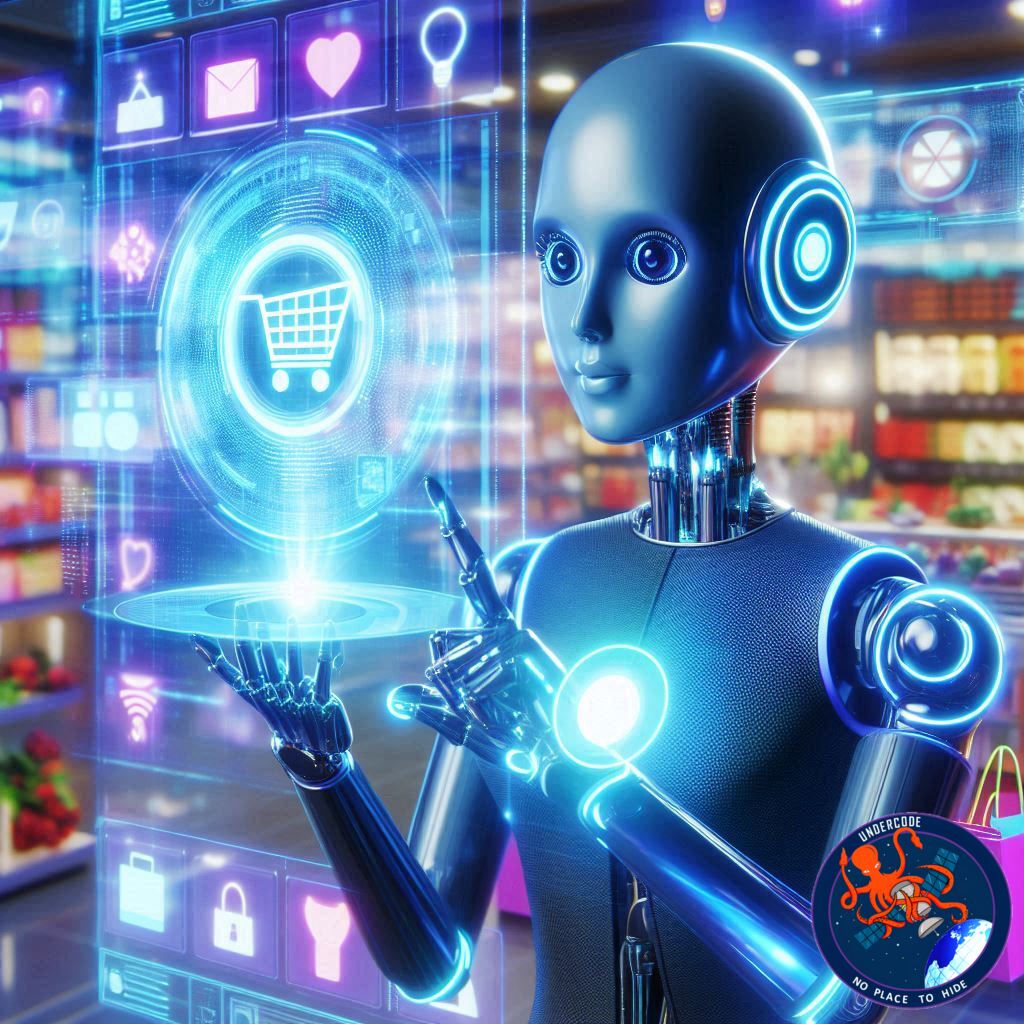
The way we shop is on the brink of a major transformation. At a recent Axios Live event in Las Vegas, finance and artificial intelligence experts debated a provocative question: will agentic AI tools—autonomous programs capable of making decisions and purchases on our behalf—eventually replace human decision-making in commerce? This discussion highlighted not only the potential of AI to reshape product discovery and consumer spending but also the underlying challenges of trust, user preferences, and the evolving role of human oversight in digital commerce. As these AI agents become increasingly sophisticated, they may redefine how we allocate our most precious resource: time.
AI Agents Could Redefine Consumer Freedom
Alexandra Ebert, Mostly AI’s chief AI and democratization officer, emphasized the liberating potential of agentic AI for consumers. By delegating mundane purchasing decisions, people could reclaim valuable hours in their day. Yet, she acknowledged that not every shopping experience is suited for automation. Certain products or experiences still demand human involvement, reflecting a nuanced balance between convenience and personal engagement in the shopping journey.
Greater Impact on B2B Than Consumer Markets
Salman Syed, CEO of Astrada, pointed out that agentic AI may find a stronger foothold in business-to-business commerce than in individual consumer markets. While individuals may enjoy time-saving features, there’s skepticism about whether they want AI making additional purchases on their behalf. Businesses, however, could leverage these tools to streamline procurement, reduce decision fatigue, and optimize spending efficiency.
Shifting Product Discovery Paradigms
Hans Reisgies from Early Warning Services highlighted how agentic AI will impact product discovery more than financial transactions. The traditional methods of browsing and search are likely to evolve as AI agents curate and recommend products based on consumer preferences. While the financial mechanics of e-commerce remain unchanged, the way people encounter new products and services could undergo a dramatic shift.
Trust as the Cornerstone
Kyriakos Skiouris, Agingo co-founder and CTO, stressed that trust is crucial in agentic AI systems. For AI agents to function effectively in e-commerce, they must operate within secure and reliable frameworks. Payment systems and transactional protocols will need robust safeguards, ensuring users feel confident that their interests are protected.
Toward Fully Consumer-Aligned AI
Jason Rosen, CEO of Prism Data, envisioned a future where AI agents are fully aligned with individual consumer goals. The question is whether these systems can truly understand and act in the best interest of the user. While technological sophistication will continue to improve, widespread access to such AI agents seems inevitable, signaling a significant shift in the consumer experience.
Valuing Time Above All
Mike Storiale, Synchrony’s SVP of innovation, payments, and AI, noted that consumers increasingly value their time over monetary savings. Agentic AI could reclaim minutes or even hours from everyday tasks, making it an attractive proposition. This emphasis on time efficiency could drive broader adoption as AI agents negotiate on behalf of humans, balancing convenience, personalization, and productivity.
What Undercode Say:
The insights from the Axios Live discussion underscore that agentic AI is not a simple replacement for human decision-making but a strategic augmentation. Its greatest promise lies in reclaiming cognitive and temporal bandwidth for users, allowing them to focus on higher-value decisions while AI handles routine tasks. In consumer markets, the adoption curve may be gradual; people still enjoy the sensory and emotional aspects of shopping that AI cannot replicate. However, the B2B sector presents a clearer path for rapid integration, as businesses prioritize efficiency, data-driven decision-making, and cost optimization.
From a technical perspective, agentic AI systems must evolve beyond simple recommendation engines into autonomous agents capable of navigating complex transactions while maintaining security and privacy. This involves integrating trust layers, continuous learning from user behavior, and sophisticated preference modeling. Furthermore, as AI agents curate products and services, they will disrupt traditional search engines and browsing paradigms, forcing marketers and retailers to adapt their digital strategies.
The ethical and operational questions remain significant. Transparency, accountability, and bias mitigation will be critical to prevent AI from acting counter to consumer interests. Simultaneously, the human element cannot be eliminated entirely—there will always be scenarios where personalized judgment, emotional intelligence, and nuanced decision-making are irreplaceable.
Ultimately, agentic AI represents a hybrid model of commerce: humans set objectives and boundaries, while AI executes, optimizes, and personalizes within those parameters. The speed, convenience, and adaptability of AI agents will continue to evolve, but their success hinges on building trust, ensuring accessibility, and demonstrating tangible value in both time and decision quality. Retailers who embrace these tools thoughtfully will likely see stronger engagement and loyalty, while those resistant may find themselves outpaced in an increasingly automated marketplace.
🔍 Fact Checker Results:
✅ Agentic AI is already capable of autonomous decision-making in certain e-commerce scenarios.
✅ Experts predict greater adoption in B2B commerce than consumer markets.
❌ AI agents are not yet fully capable of replacing human judgment in complex or emotional purchasing decisions.
📊 Prediction:
The next five years will see agentic AI increasingly integrated into both consumer and business commerce. 🛒 AI-driven shopping assistants may become standard features in digital wallets and marketplaces. ⏳ Time-saving applications will dominate adoption, with hybrid human-AI decision models setting new standards for personalization and efficiency. Retailers leveraging AI for product discovery will likely gain a competitive edge, while those clinging to traditional search-based engagement may fall behind.
🕵️📝✔️Let’s dive deep and fact‑check.
References:
Reported By: axioscom_1763055989
Extra Source Hub (Possible Sources for article):
https://www.linkedin.com
Wikipedia
OpenAi & Undercode AI
Image Source:
Unsplash
Undercode AI DI v2
Bing
🔐JOIN OUR CYBER WORLD [ CVE News • HackMonitor • UndercodeNews ]
📢 Follow UndercodeNews & Stay Tuned:
𝕏 formerly Twitter 🐦 | @ Threads | 🔗 Linkedin | 🦋BlueSky | 🐘Mastodon


