
Listen to this Post
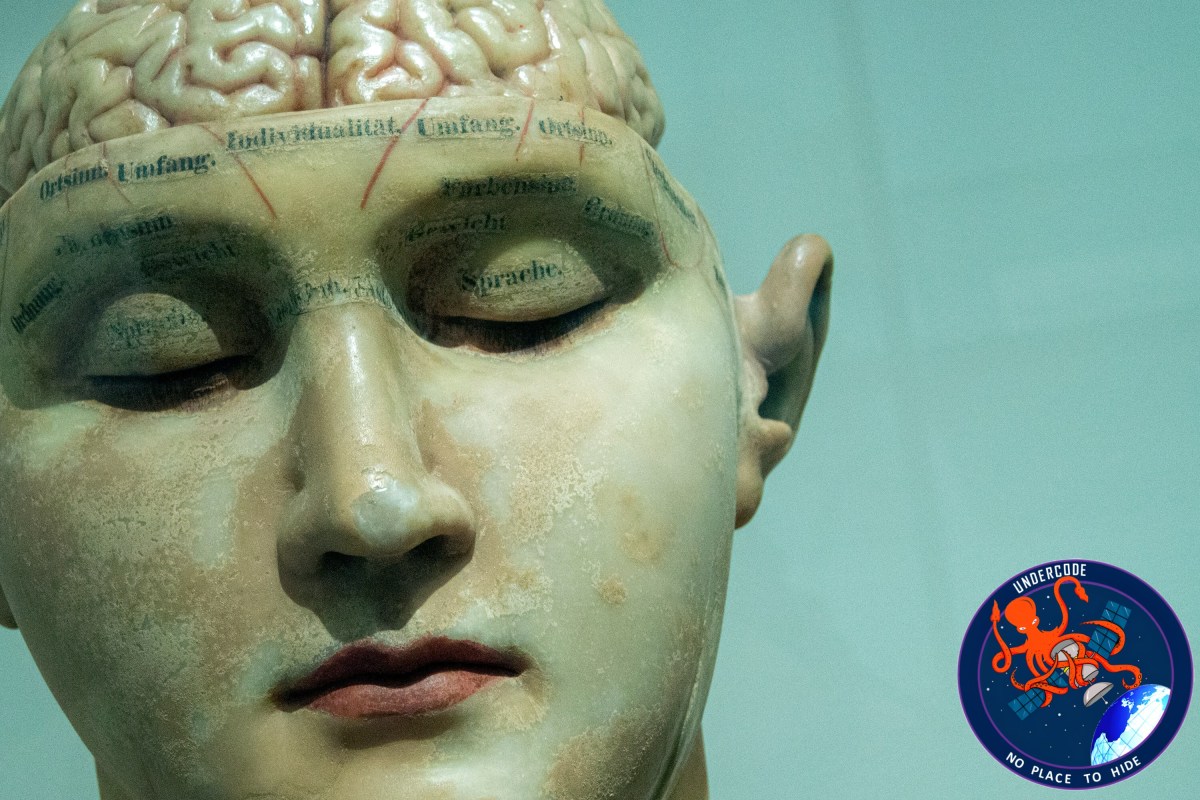
Introduction: Why Psychology Is More Than Just the Mind
Psychology has long been seen as the study of thought, emotion, and behavior. But beyond these visible layers lies something deeper—an invisible structure of rules, constraints, and identity patterns that quietly govern how we think, react, and feel. This structural perspective shifts psychology from being just about the mind to being about protocols of identity—how our decisions, emotions, and memories are encoded into recurring loops that define who we are.
In this expanded exploration, we’ll break down how identity constructs shape human behavior, why constraint-based emotions act as signals, and how memory loops influence personality. By blending traditional psychology with a structural, protocol-driven model, we uncover a new way to understand cognition, emotion, and mental health.
the Original
Identity Constructs as Constraint Systems
Our identity can be seen as a system of rules and filters. These filters decide what choices we allow ourselves, what ethical boundaries we keep, and what emotional states we experience. For example, someone who cannot forgive may not just be unwilling but is constrained by a fixed identity structure preventing that “jump” toward reconciliation.
Jump Generators and Sanity Regulation
The mind has mechanisms that generate “jumps” between thoughts. Healthy cognition allows flexible transitions, while dysfunctional patterns—like those in OCD—trap the person in repetitive loops. These loops show what happens when the brain’s “exit condition” for a thought sequence fails.
Ethics Interface and Emotional Feedback
Emotions are not just raw signals but feedback indicators of structural mismatch. Guilt, anger, or pride often emerge when identity clashes with ethical boundaries. For instance, guilt may signal not just wrongdoing but the violation of one’s own ethics tree.
Memory Loops and Personality
Memory does not simply store events—it reinforces recurring judgments. Trauma, in this model, is seen as a “blocked rollback” where a painful memory loop cannot be resolved. This explains why some reactions become repetitive and deeply ingrained.
Traditional vs. Structural Psychology
Where traditional psychology focuses on traits, behaviors, and emotions, structural psychology views them as loops, constraints, and mismatches. It treats dysfunctions not only as mental illness but as corrupted loops or failed constraint systems.
Practical Applications
Therapy: Identifying dysfunctional loops helps explain recurring trauma responses.
AI Development: Empathy engines could model human-like emotions by detecting mismatches.
Trauma Recovery: Reworking blocked memory loops could allow reintegration of painful experiences.
Cognitive Growth: Development is seen as acquiring new identity protocols over time.
Implications
Mental health can be reframed not just as chemical balance but as alignment of constraints and protocols. Emotions, rather than being weaknesses, serve as the system’s warning signals about misalignment. Ultimately, we are not just “our thoughts” but the rules that allow or forbid those thoughts.
What Undercode Say:
Identity Is Architecture, Not Just Feeling
Traditional psychology emphasizes emotions and behaviors, but the structural view argues that identity itself is architecture. Our decisions are filtered by constraints we don’t always see, creating invisible “protocols” that shape every reaction.
Emotions as Error Messages
In this model, emotions are not just instinctive reactions but structured signals. Guilt = ethical misalignment. Anger = boundary clash. Pride = alignment reinforcement. This perspective positions emotions as system messages, much like alerts in a complex program.
Memory as a Looping Engine
Unlike storage-only views, structural psychology treats memory as an engine that reinforces personality. A traumatic event can become a closed loop with no exit, explaining why it resurfaces involuntarily. This gives a new therapeutic angle: rather than erasing trauma, therapy can attempt a “rollback fix.”
Ethics as a Living Protocol
What we call morality may be seen as an evolving interface. Ethical violations generate emotional alarms, ensuring the self maintains coherence. This model ties ethics to both survival and psychological harmony.
Why This Matters for Therapy
Understanding patients as systems of constraints changes therapeutic strategy. Instead of only exploring emotions, a therapist might map the “jump-blocks” and “loop traps” within a client’s cognition. This could explain why some treatments fail—they don’t address structural barriers.
Implications for AI and Technology
AI models could simulate emotions by adopting mismatch-detection protocols. For instance, an AI designed with an ethics interface could “feel guilt” when violating programmed constraints. This blurs the line between psychology and artificial intelligence, raising deep questions about machine empathy.
Mental Illness as Loop Corruption
From this angle, disorders are not just chemical imbalances but corrupted identity codes. Anxiety could be modeled as an overactive jump-generator, depression as a blocked loop, and OCD as failed exit validation. This redefinition could spark new research in computational psychiatry.
Human Growth as Protocol Expansion
Cognitive development is reframed as acquiring new identity protocols. Childhood is not just learning behaviors but installing new “constraint systems.” Adolescence is rewriting ethical interfaces. Adulthood is optimizing loops.
Structural Psychology Complements, Not Replaces
It is crucial to note this model does not deny biology. Instead, it integrates neuroscience with identity protocols. Mental health is both brain chemistry and structural architecture—two inseparable forces.
✅ Fact Checker Results
Emotions are scientifically linked to constraint violations in decision-making models.
Trauma reinforcement loops align with memory reconsolidation research.
AI empathy models are currently experimental but conceptually feasible.
🔮 Prediction
The future of psychology may merge neuroscience with computational modeling, giving rise to a new branch of Protocolic Psychiatry. Within the next decade, therapy could involve mapping “identity code” much like scanning a computer system for bugs. This structural approach may not only revolutionize therapy but also define how we build truly empathetic AI.
🕵️📝✔️Let’s dive deep and fact‑check.
References:
Reported By: huggingface.co
Extra Source Hub:
https://www.medium.com
Wikipedia
OpenAi & Undercode AI
Image Source:
Unsplash
Undercode AI DI v2
🔐JOIN OUR CYBER WORLD [ CVE News • HackMonitor • UndercodeNews ]
📢 Follow UndercodeNews & Stay Tuned:
𝕏 formerly Twitter 🐦 | @ Threads | 🔗 Linkedin | 🦋BlueSky | 🐘Mastodon


