
Listen to this Post
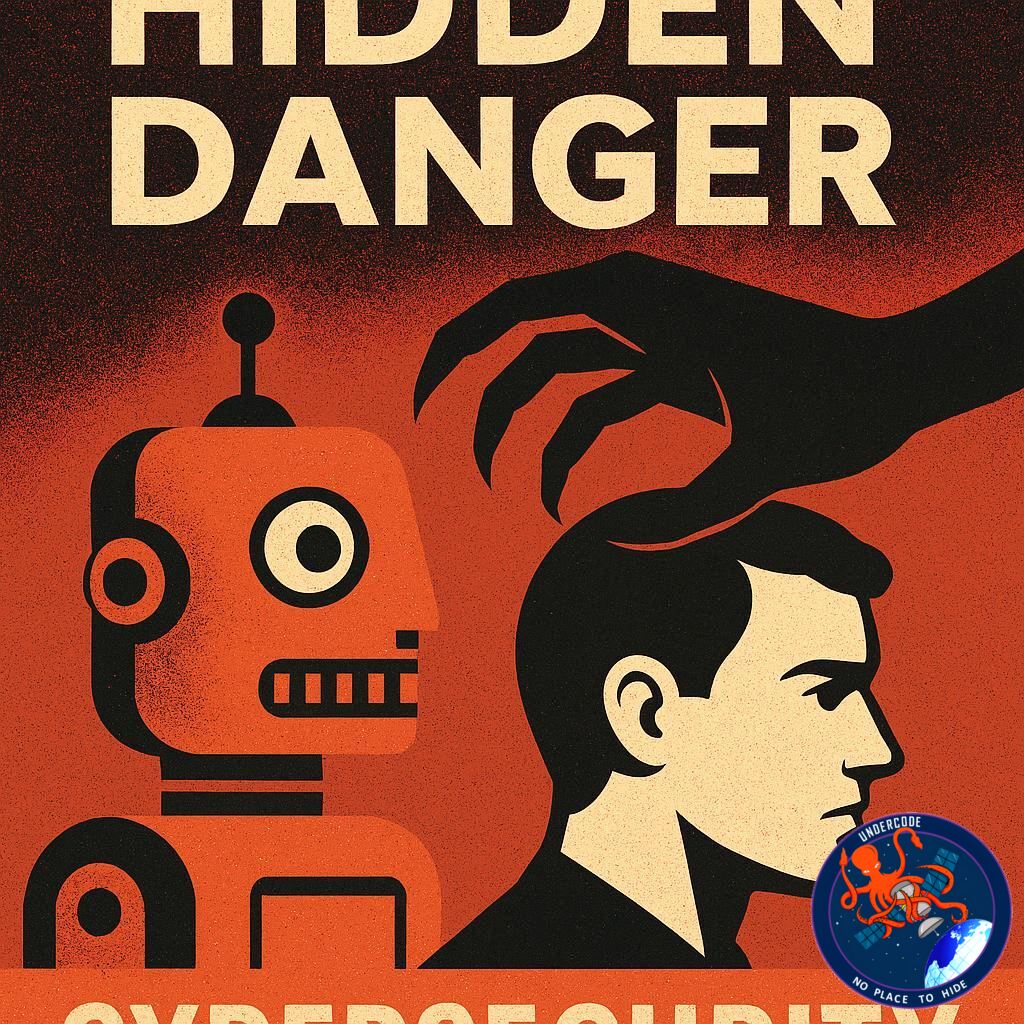
In the evolving landscape of digital security, technology often takes center stage, yet the true vulnerability frequently lies not in firewalls or software, but in human behavior. Social engineering—manipulating people into compromising security—remains one of the most potent threats to organizations worldwide. Recent discussions highlight how combining AI-driven, ethically transparent systems with cyberpsychology insights and comprehensive lifecycle governance can significantly strengthen defenses against these human-centric risks. Additionally, timely software patches, like Oracle’s urgent update for a critical vulnerability in its Identity Manager, underscore the persistent need for vigilance in both human and technical aspects of cybersecurity.
Human Behavior: The Core Cybersecurity Risk
Experts consistently identify human behavior as the weakest link in cybersecurity. Social engineering exploits our natural trust and often bypasses even the most advanced technical protections. Cybersecurity systems that fail to consider this factor leave organizations exposed, regardless of how sophisticated their software defenses may be.
AI and Cyberpsychology: A Powerful Combination
Emerging strategies suggest integrating AI tools with ethically guided decision-making and cyberpsychology. AI can monitor patterns, detect anomalies, and flag suspicious activity in real-time, while cyberpsychology helps anticipate human errors before they occur. This synergy creates a proactive defense system rather than a reactive one.
Lifecycle Governance: Sustaining Security Over Time
Effective cybersecurity isn’t a one-off effort. Lifecycle governance ensures that security practices evolve alongside technology and organizational changes. From initial system deployment to decommissioning, continuous monitoring, patching, and training are essential to minimize risks.
Oracle Patch: A Case Study in Urgency
Oracle’s recent release of a critical patch for CVE-2026-21992, a vulnerability in Oracle Identity Manager 12.2.1.4.0, highlights the importance of immediate action. Exploitable via HTTP, this flaw could allow unauthenticated attackers to execute remote code—a stark reminder that technical vulnerabilities and human oversight are intertwined in risk management.
Bridging the Gap Between Technology and Humans
Organizations must recognize that no software solution can fully replace human vigilance. Regular training, ethical AI systems, and constant monitoring are essential components. By prioritizing the human factor, companies can transform employees from potential security liabilities into proactive defenders.
What Undercode Says:
Strengthening Defenses with AI Integration
Artificial intelligence is revolutionizing threat detection. When AI is paired with cyberpsychology, organizations gain a deeper understanding of both external and internal threats. Behavioral analytics can flag unusual patterns, such as abnormal login attempts or unexpected access requests, which often precede breaches.
The Critical Role of Ethical Transparency
Transparent AI systems that explain their decisions build trust among employees and reduce the likelihood of misuse or avoidance. Ethical frameworks guide AI recommendations, ensuring that automated responses enhance human judgment rather than replace it.
Cybersecurity Training as a Preventive Measure
Consistent education on phishing, social engineering, and safe digital habits equips employees to recognize and counteract attacks. Gamified simulations and scenario-based exercises reinforce lessons and keep security awareness high.
Lifecycle Governance: Beyond Patch Management
Patching alone is insufficient. Lifecycle governance involves auditing systems, updating protocols, and monitoring compliance regularly. Organizations that implement structured governance frameworks report fewer breaches and faster incident response times.
Oracle CVE-2026-21992: Lessons Learned
The Oracle patch serves as a case study in proactive management. Timely application prevents attackers from exploiting known vulnerabilities. Organizations that maintain automated patch cycles reduce both the window of exposure and the burden on IT teams.
Human-Centric AI: Balancing Automation and Oversight
Over-reliance on AI without human oversight can create blind spots. Successful systems combine automated detection with human review, ensuring critical judgments account for context, ethical considerations, and strategic priorities.
Cultural Transformation for Cybersecurity
Building a security-conscious culture is as vital as technical solutions. Leadership support, employee recognition, and clear communication channels foster an environment where cybersecurity is everyone’s responsibility.
Predictive Analytics: Anticipating Threats
Advanced analytics can forecast potential attack vectors before they materialize. By identifying patterns across user behavior, system logs, and threat intelligence feeds, organizations can mitigate risks proactively.
Collaboration Across Departments
Security is not solely an IT concern. HR, legal, operations, and management teams must coordinate to enforce policies, conduct audits, and respond to incidents effectively. Cross-functional collaboration strengthens overall resilience.
Continuous Improvement and Adaptation
Cyber threats evolve rapidly. Organizations that continuously refine strategies, learn from incidents, and integrate new technologies maintain a competitive security posture.
🔍 Fact Checker Results
✅ Human behavior is widely recognized as a primary cybersecurity risk.
✅ Oracle CVE-2026-21992 is a confirmed unauthenticated remote code execution vulnerability.
❌ There is no evidence suggesting AI alone can completely replace human oversight in security operations.
📊 Prediction
As AI and cyberpsychology integration becomes mainstream, we can expect a measurable decline in successful social engineering attacks over the next 2–3 years. Organizations that prioritize human-centric AI systems and lifecycle governance will see faster incident response times, lower breach costs, and higher employee compliance rates, establishing a new benchmark for holistic cybersecurity resilience.
If you want, I can also create an SEO-optimized version of this article designed to attract maximum readership online.
🕵️📝✔️Let’s dive deep and fact‑check.
References:
Reported By: x.com
Extra Source Hub (Possible Sources for article):
https://www.discord.com
Wikipedia
OpenAi & Undercode AI
Image Source:
Unsplash
Undercode AI DI v2
Bing
🔐JOIN OUR CYBER WORLD [ CVE News • HackMonitor • UndercodeNews ]
📢 Follow UndercodeNews & Stay Tuned:
𝕏 formerly Twitter 🐦 | @ Threads | 🔗 Linkedin | 🦋BlueSky | 🐘Mastodon


