
Listen to this Post
Introduction
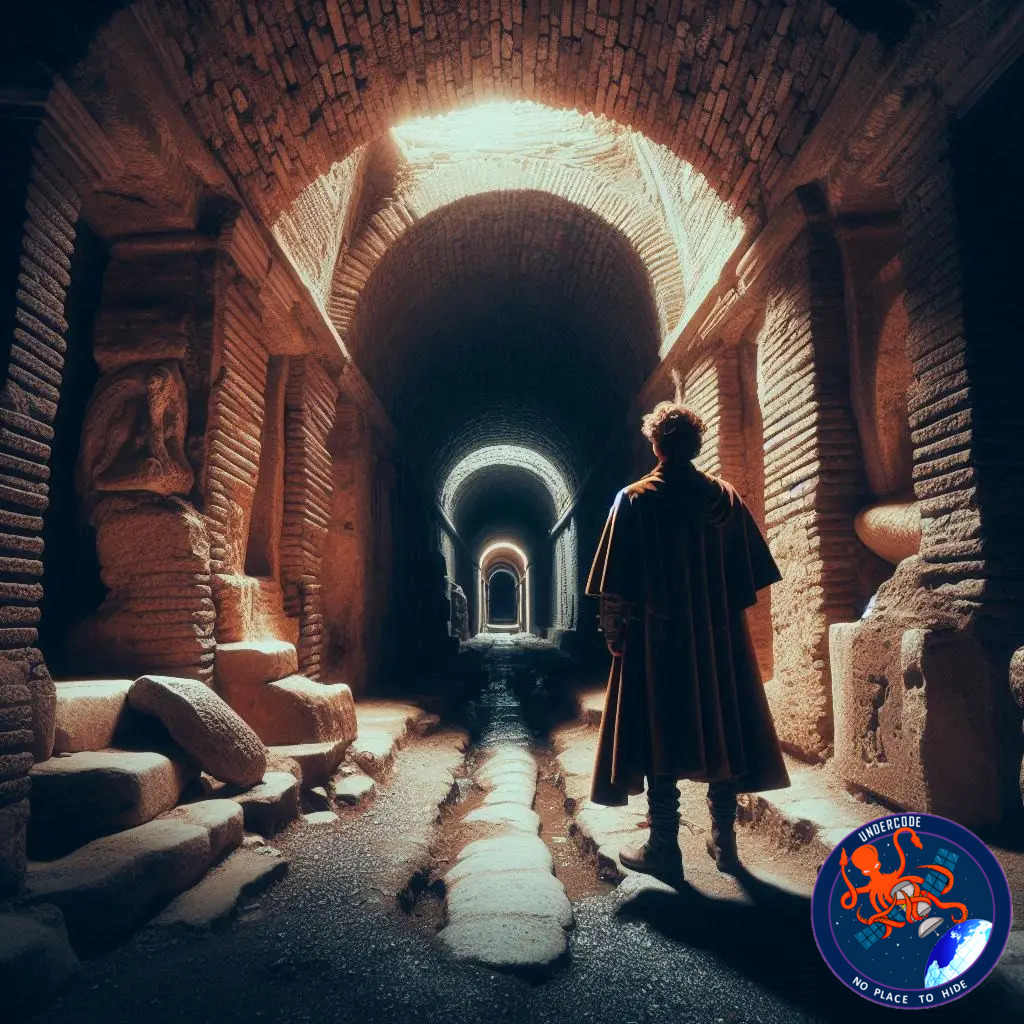
For centuries, the Colosseum has towered as the monumental heart of Rome—an arena of spectacle, brutality, and imperial power. Yet beneath its arches lay a secret few ever glimpsed: a private, fortified passageway used exclusively by Roman emperors. After nearly 2,000 years, this long-sealed corridor has reopened, inviting modern visitors to walk the same stone path once trodden by rulers who shaped the ancient world. The unveiling not only revives architectural splendor but also resurrects stories of intrigue, betrayal, and paranoia that unfolded in its shadow.
A Private Walkway to Power
An ancient imperial passageway within the Colosseum is now open to the public for the first time since it was built nearly two millennia ago.
A Hidden Route Above the Arena
Visitors entering Rome can now discover a concealed walkway once used by emperors to slip quietly into the pulvinar—the exclusive imperial viewing box perched above the combat floor.
Built for Discretion and Security
Constructed between 90 A.D. and 98 A.D., the tunnel allowed rulers to avoid using the main public entrances, known as vomitoria, where crowds surged into the stadium.
Lavish Walls Reborn Through Restoration
Originally decorated with marble, stucco, and mythological scenes, the vaulted corridor was rediscovered in the 1810s. Now restored, it allows visitors to “taste what it was like to be an emperor entering the arena,” according to architect Barbara Nazzaro.
The Enigmatic Tie to Commodus
Known as the Passage of Commodus, the tunnel is named after the controversial emperor who ruled from 180 to 192 A.D.—but the structure predates him by at least a century.
A Brush With Death Under the Colosseum
Historian Herodian recounts that an assassination attempt on Commodus took place in a clandestine tunnel beneath the Colosseum, cementing the name association across history.
A Villain in Pop Culture
Joaquin Phoenix’s portrayal of Commodus in Gladiator immortalized him as a volatile tyrant, though the film indulged in several historical liberties—including the fabricated incestuous relationship with his sister.
Royal Siblings at War
Reality was darker. Most accounts suggest Commodus and his sister Lucille despised one another. She allegedly conspired with Senate members to end his reign.
The Failed Plot and Its Consequences
Lucille’s lover, Quadratus, attempted to assassinate Commodus but was killed before he could strike. The tunnel may have been the backdrop for the event that fractured Commodus’ sanity.
Exile, Execution, and Bloodshed
In response, Commodus exiled and later executed Lucille. He unleashed one of the most brutal Senate purges in Roman history.
A Tyrant Hunted by His Own Fears
Paranoia consumed him. Convinced that Condianus—the son of a slain senator—sought revenge, Commodus ordered widespread killings of men who merely resembled the supposed threat.
A City Terrorized by Mistaken Identity
Heads of the falsely accused were displayed in Rome’s streets as fear and chaos rippled across the empire, though no one knows if Condianus himself was ever found.
The Violent End of a Violent Reign
Commodus’ rule collapsed a decade after the failed assassination. His life ended not in battle or revolt, but strangled in the privacy of his own bath.
What Undercode Say:
A Tunnel That Reveals the Psychology of Power
This newly opened passageway is more than stone and arches—it is a psychological artifact. It shows how emperors, even at their most adored, lived in constant tension between public devotion and private fear. The design itself—hidden, fortified, reserved—speaks of a leadership model rooted in spectacle yet shrouded in secrecy.
The Architecture of Control
The route to the pulvinar wasn’t built merely for convenience. It was a strategic funnel. Emperors needed the public to see them as divine figures, yet they could not risk mingling with the crowd. The controlled approach allowed rulers to choreograph their entrance with theatrical precision while minimizing exposure to threats.
Commodus and the Tunnel’s Darker Symbolism
Though Commodus didn’t commission the passage, the connection reveals how physical spaces become symbolic vessels. The tunnel has absorbed the memory of betrayal, psychosis, and imperial unraveling. Its stone corridor becomes a silent witness to a ruler tormented by illusions of revenge.
Paranoia in the Heart of the Empire
Commodus’ response to the assassination attempt demonstrates a pattern common to failing regimes: the blurring of real threats with imagined ones. His violent overreactions—executions, exiles, the obsessive search for Condianus—show how fear metastasized into systemic brutality.
Historicity vs. Hollywood
Popular culture simplifies these stories, casting Commodus as a theatrical villain. In reality, he embodies something more complex: a leader whose paranoia was perhaps justified in a world rife with plots. The tunnel’s reopening invites historians to reassess where myth ends and psychology begins.
Urban Memory and Public Accessibility
Allowing the public to walk this imperial path transforms Rome’s archaeology into a living dialogue. Tourists step into the same space where power was negotiated, contested, and nearly destroyed. It becomes a physical means of understanding how the empire projected authority.
The Tunnel as a Time Capsule of Fear and Splendor
Every restored stucco panel and marble fragment carries dual meanings—grandeur and dread. The emperors walked here to command the arena, yet they also moved through it in isolation, sheltered from the very people who upheld their power.
A Window Into the Nature of Empire
The passageway’s reopening reveals a truth about Roman governance: authority was not just performed in public ceremonies. It was also constructed in shadows, corridors, and secret decisions made out of sight.
A Recontextualization for Modern Visitors
Stepping into this tunnel today is stepping into an emotional archive. Visitors don’t simply observe history—they inhabit it, feeling the tension between glory and vulnerability that defined imperial rule.
Fact Checker Results
Commodus did not build the passageway. It predates him by about a century. ✅
No confirmed historical evidence supports the incest subplot portrayed in Gladiator. ❌
The assassination attempt on Commodus in a Colosseum tunnel is recorded by Herodian. ✅
Prediction
In the coming years, renewed access to the imperial passageway will likely spark fresh historical research, inspire new documentaries, and amplify tourism interest 📜. Scholars may uncover overlooked artifacts, while cultural conversations revisit the myths surrounding Commodus’ reign 🔍. As restoration continues, the tunnel could become one of Rome’s most sought-after immersive experiences 🌟.
🕵️📝✔️Let’s dive deep and fact‑check.
References:
Reported By: www.euronews.com
Extra Source Hub (Possible Sources for article):
https://www.linkedin.com
Wikipedia
OpenAi & Undercode AI
Image Source:
Unsplash
Undercode AI DI v2
Bing
🔐JOIN OUR CYBER WORLD [ CVE News • HackMonitor • UndercodeNews ]
📢 Follow UndercodeNews & Stay Tuned:
𝕏 formerly Twitter 🐦 | @ Threads | 🔗 Linkedin | 🦋BlueSky | 🐘Mastodon


