
Listen to this Post
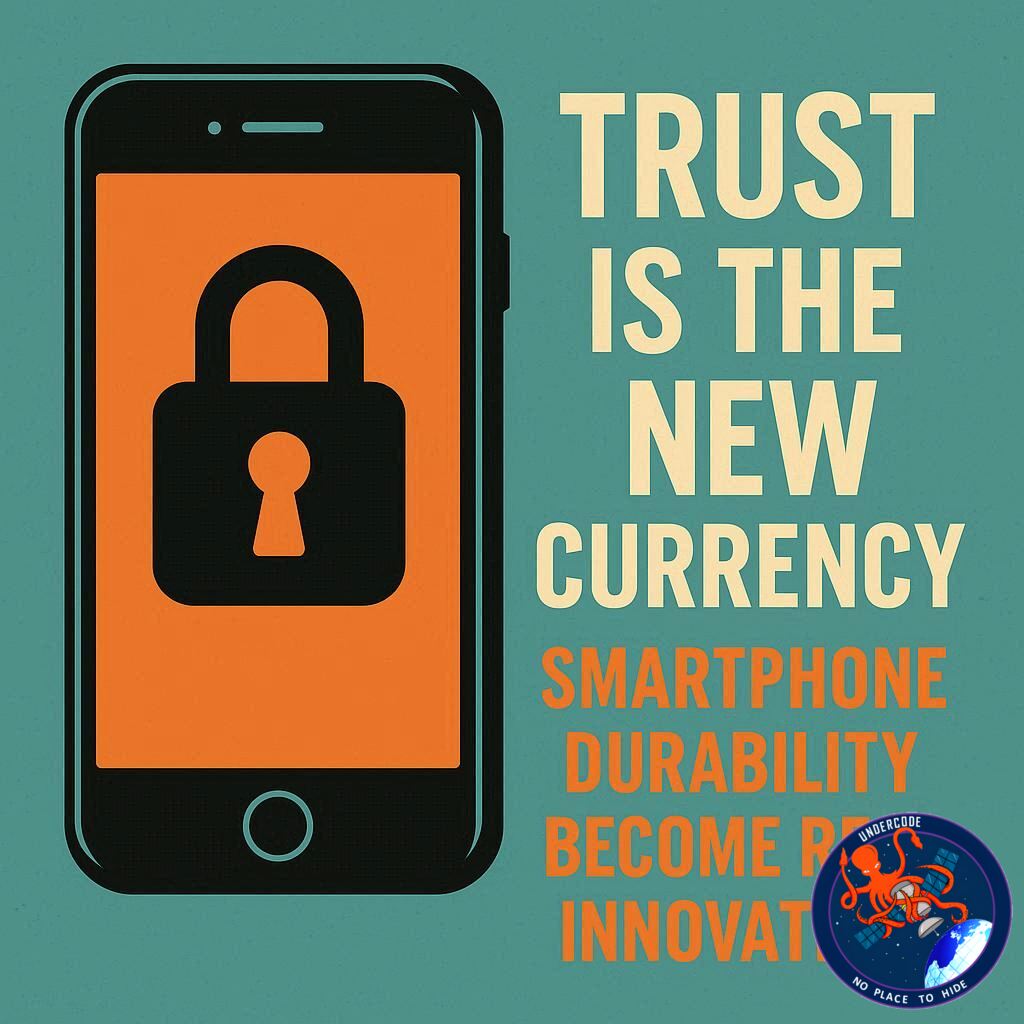
The New Consumer Priority
Once upon a time, the race for supremacy in the smartphone world was about megapixels, processors, and refresh rates. Brands bragged about power and speed, not endurance. But the tide has turned. Today, consumers are asking a new question: how long will my phone last?
Durability has evolved from a side feature into a decisive factor. People no longer view smartphones as disposable gadgets—they are investments, emotional companions, and digital vaults for their memories and data. In an age where performance is expected, reliability has become the true measure of trust.
A recent report by Counterpoint Research reflects this shift clearly: 79% of buyers now cite durability as a critical factor when purchasing a new handset. Consumers no longer want just a powerful device; they want a resilient one. From scratches to battery decay, water exposure to performance slowdown, today’s users demand longevity—and they are willing to pay for it.
The Growing Demand for Durable Smartphones
Every smartphone user has felt that moment of dread—the sudden drop, the splash of water, or the first visible crack on a screen. These everyday accidents have turned durability into an obsession. The same Counterpoint study revealed that 42% of users spend between ₹2,000 and ₹5,000 on repairs, and 21% spend over ₹5,000. For many, the fear of losing photos, contacts, and data is far more painful than the repair bill itself.
This constant anxiety has even given rise to what some call an “anxiety tax”—the extra money people spend on protective cases, insurance, or screen guards. Yet, none of these are true solutions. What people truly crave is peace of mind—the confidence that their phone will simply survive life.
From a design perspective, durability isn’t just about hard shells and Gorilla Glass. It’s about trust. It’s about a phone that can handle heat, wear, and years of software updates without losing performance. A durable phone doesn’t just protect data; it protects the user’s daily rhythm.
Beyond Cracks and Screens: Redefining Durability
Durability once meant resistance to impact. Today, it means endurance in every dimension. A sturdy frame means nothing if the battery fades within a year or the processor slows down after the fifth update. Modern users demand 360-degree resilience—from software stability to data protection and hardware longevity.
A truly durable smartphone should perform just as smoothly in its third year as it did in the first week. It should maintain battery capacity, process updates efficiently, and resist both physical and digital wear. In this context, the real innovation isn’t just performance—it’s persistence.
Smartphone makers must now build devices that age gracefully. The focus is shifting from the flashiest specs to the sustained experience that lasts through years of use. This is not just a technical challenge but a philosophical one. Longevity must now become the design principle, not an afterthought.
The Industry’s Turning Point
Manufacturers are being forced to adapt. They must merge strength with elegance, speed with sustainability, and protection with style. The new battleground of innovation is psychological: the confidence that your device won’t fail you.
Durability has become a promise. It is no longer about selling specs—it’s about selling trust. The future smartphone wars will be fought not in the lab but in the real world: the rainy streets, the hot summers, the accidental drops, and the relentless software updates.
Companies that understand this emotional connection will dominate the next era of mobile technology. As Peter Dohyung Lee, Head of Product Strategy at Oppo, noted, “Trust, not specifications, has become the true currency of consumer loyalty.”
What Undercode Say:
Durability is no longer a checkbox on a spec sheet—it’s the new brand identity. The smartphone industry has entered a trust economy, where endurance equals reputation. Consumers now evaluate devices by how well they survive time, not just how fast they perform out of the box.
What’s interesting is that this change isn’t driven by tech enthusiasts—it’s driven by the mainstream market. Everyday users have matured. They understand that a high-performance phone is meaningless if it becomes unreliable after two years. The concept of “planned obsolescence” is being challenged by the growing demand for transparency and longevity.
From a strategic standpoint, this transformation creates both risk and opportunity for manufacturers. For companies like Oppo, Apple, and Samsung, the emphasis on durability could redefine product strategy. Longer-lasting devices may slow upgrade cycles, but they also build brand loyalty and environmental credibility—two priceless assets in today’s conscious consumer landscape.
Moreover, durability isn’t just a hardware issue—it’s a software philosophy. Battery optimization, update stability, and efficient thermal management now define a device’s perceived quality. A phone that lags after every update, even if it’s intact physically, fails the durability test psychologically.
There’s also an emotional element. A reliable phone represents stability in a fast-moving digital world. When a user can trust their phone to perform flawlessly, they trust the brand behind it. That sense of dependability builds silent advocacy, the kind that no marketing campaign can buy.
Durability also intersects with sustainability. A device that lasts longer reduces e-waste, cuts manufacturing emissions, and aligns with global environmental goals. As consumers become more eco-aware, durability doubles as a green innovation. The industry’s future leaders will be those who design not for replacement but for resilience.
In essence, we are witnessing a cultural pivot in technology: the shift from “more” to “lasting.” Innovation will no longer be judged by who launches the flashiest feature first, but by who builds technology that remains valuable after years of use.
🔍 Fact Checker Results
✅ Counterpoint Research confirms that 79% of smartphone buyers prioritize durability.
✅ 42% of users spend between ₹2,000–₹5,000 on repairs, proving real concern for longevity.
❌ Durability is not limited to screen protection; it now includes battery, software, and data integrity.
📊 Prediction
In the next five years, durability will become a defining competitive metric across the smartphone industry. 📱
Brands will advertise lifespan instead of megapixels, and users will judge devices by how long they feel new, not just how new they look. 🌍
The future belongs to smartphones that survive time—and win trust through endurance. ⏳
🕵️📝✔️Let’s dive deep and fact‑check.
References:
Reported By: timesofindia.indiatimes.com
Extra Source Hub (Possible Sources for article):
https://www.digitaltrends.com
Wikipedia
OpenAi & Undercode AI
Image Source:
Unsplash
Undercode AI DI v2
Bing
🔐JOIN OUR CYBER WORLD [ CVE News • HackMonitor • UndercodeNews ]
📢 Follow UndercodeNews & Stay Tuned:
𝕏 formerly Twitter 🐦 | @ Threads | 🔗 Linkedin | 🦋BlueSky | 🐘Mastodon


