
Listen to this Post
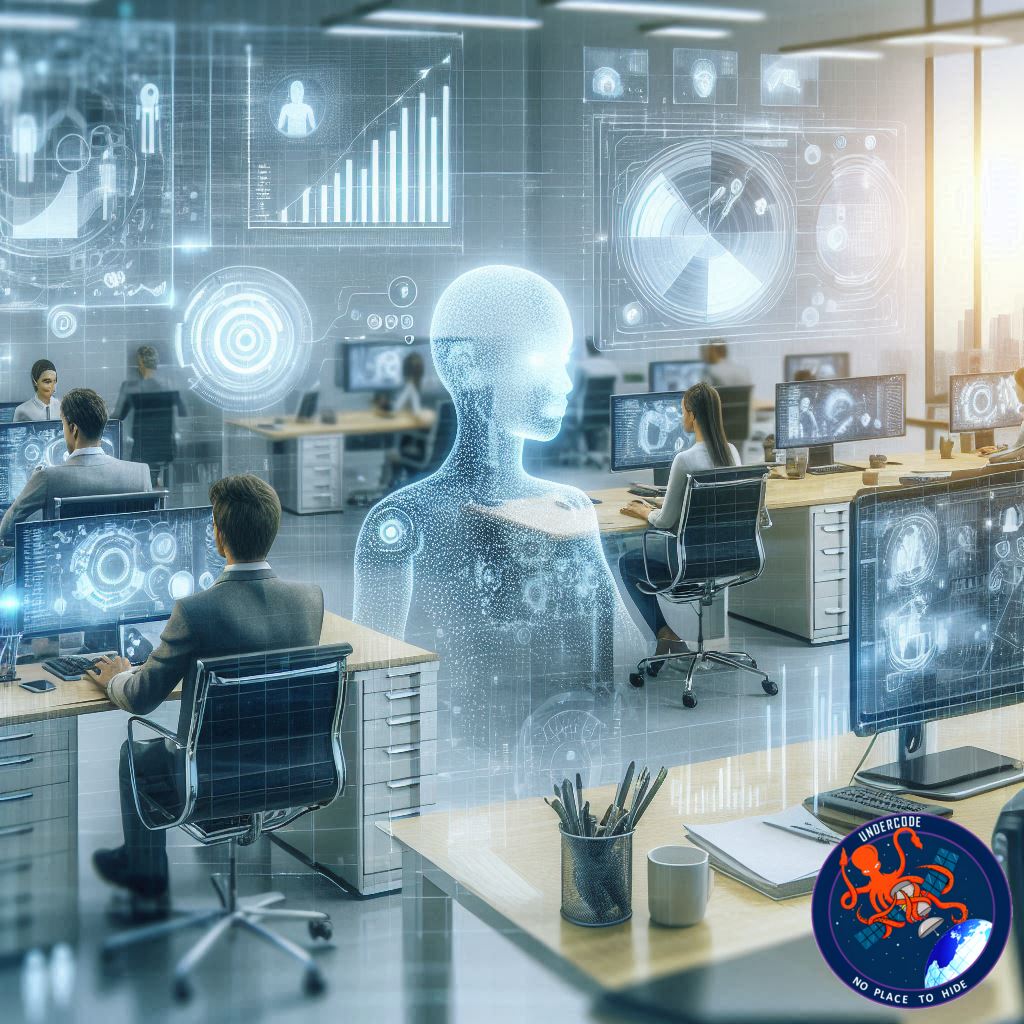
A Labor Market Stuck in Place
The job market is experiencing a strange kind of freeze, and it has little to do with winter weather. Across the United States, companies are neither hiring aggressively nor firing at scale. Instead, employers are pressing pause, waiting, watching, and increasingly leaning on artificial intelligence to do more with fewer people.
Why This Moment Matters
For companies, this calm is efficient and cost-effective. Productivity is rising without the expense of expanding teams. For job seekers, however, the environment is unforgiving. Fewer openings mean more competition, longer job searches, and growing frustration, even as the economy avoids a full downturn.
The Rise of the “No-Hire, No-Fire” Market
Economists have started calling this phase a “no-hire, no-fire” labor market. It is defined not by mass layoffs or rapid hiring, but by inertia. Jobs are stable for those who have them, but scarce for those trying to enter or re-enter the workforce.
Summary of the Original
Hiring Rates Fall to Decade Lows
Federal labor data shows that U.S. hiring rates have dropped to levels last seen roughly ten years ago, during the slow recovery from a recession. This decline is striking because it is happening without a corresponding spike in unemployment.
Layoffs Remain Surprisingly Limited
Despite years of warnings about an AI-driven employment collapse, firing rates remain relatively low. The unemployment rate stood at 4.4% in December, a figure that suggests stability rather than crisis.
AI Changes How Work Gets Done
Artificial intelligence has begun reshaping how companies handle specific functions, particularly customer support and engineering. Automation, chatbots, and AI-assisted coding tools are allowing businesses to maintain output without expanding staff.
Customer Support Feels the Impact First
Customer support is one of the most visibly affected areas. AI chatbots now handle routine requests, from password resets to access issues, reducing the need for human agents.
Hubstaff as a Case Study
At Hubstaff, an AI chatbot resolves roughly 70% of all basic customer support inquiries. According to CEO Jared Brown, the company has not hired for customer support roles since 2024 because the technology handles most repetitive tasks.
Efficiency Without Total Job Loss
Importantly, Hubstaff has not frozen hiring entirely. The company continues to add staff in other departments, showing that AI is redistributing labor rather than eliminating it outright.
Companies Move More Cautiously
Across industries, businesses are slowing hiring plans as they assess how much AI can realistically improve productivity. Many prefer to wait rather than commit to long-term payroll expansion.
Signals from the Federal Reserve
The Federal Reserve’s Beige Book highlights employer caution. Some businesses explicitly cite AI as a reason for delaying or scaling back hiring, reflecting uncertainty about how roles may evolve.
Engineering Roles Are Slowing Too
According to Work Forward CEO Brian Elliott, companies that are still growing tend to hire engineers at roughly half the pace they would have in previous years. In customer support, hiring has nearly stalled.
Mixed Signals from Big Tech
Not all leaders see AI as a hiring killer. Airbnb CEO Brian Chesky noted that while AI improves efficiency, it also enables business growth. In many cases, these forces cancel each other out.
Efficiency Versus Expansion
AI reduces the number of people needed per task, but it also lowers operational friction. Faster growth can create new needs, even as existing roles shrink or change.
Interest Rates Add More Pressure
Higher interest rates are another major factor slowing hiring. Borrowing is more expensive, making companies cautious about long-term commitments like new employees.
The Post-Hiring-Binge Hangover
Many employers are still recovering from aggressive hiring in 2021 and early 2022, especially in tech. Overstaffing in those years has made leaders wary of repeating the same mistakes.
Stability Masks Difficulty
From the outside, the job market looks stable. Under the surface, job mobility has collapsed. Workers are staying put, and newcomers face a wall of silence.
The Core Reality
The bottom line is simple: finding a new job is unusually hard right now, and artificial intelligence is a meaningful part of the reason why.
What Undercode Say:
AI Is Acting as a Hiring Brake, Not a Job Destroyer
The dominant narrative around AI has focused on mass layoffs, but the real impact so far is subtler. AI is not eliminating millions of jobs overnight. Instead, it is preventing new jobs from being created in the first place.
Productivity Gains Change Employer Psychology
When companies discover they can handle more work with the same number of people, the incentive to hire disappears. Even modest productivity gains can justify freezing headcount.
The Hidden Cost Is Opportunity
For workers, especially early-career professionals, the biggest loss is opportunity. Fewer entry-level roles mean fewer chances to gain experience, build networks, and move up.
Job Security Improves for Insiders
Ironically, employees who already have stable positions may benefit. With hiring slowed, companies invest more in retaining and upskilling existing staff rather than replacing them.
AI Rewards Experience Over Potential
AI tools amplify the productivity of skilled workers. This favors experienced employees and makes it harder for newcomers to justify their cost compared to automated systems.
Customer Support Is the Warning Signal
Customer support shows what may happen elsewhere. Once AI proves reliable for routine tasks, human roles shrink to edge cases, escalations, and relationship management.
Engineering Is Next, But Differently
In engineering, AI does not replace developers outright. Instead, it reduces team size requirements. One strong engineer with AI tools can now do the work of several.
Hiring Freezes Are a Strategic Bet
Many companies are not cutting jobs because they are betting AI gains will continue. Hiring later, once roles are clearer, feels safer than hiring now and restructuring later.
Labor Market Metrics Lag Reality
Traditional indicators like unemployment rates fail to capture this shift. A frozen market can look healthy on paper while being deeply hostile to job seekers.
The Risk of Long-Term Skill Gaps
Extended hiring slowdowns can create future shortages. If fewer people enter fields today, companies may struggle to find experienced talent tomorrow.
Economic Policy Meets Technological Change
Higher interest rates and AI adoption reinforce each other. Together, they push companies toward leaner operations and delayed expansion.
Workers Adapt Faster Than Institutions
Employees are already adjusting by learning AI tools, freelancing, or stacking skills. Institutions, from universities to regulators, are slower to respond.
AI as an Excuse Versus AI as Reality
Some employers may overstate AI’s capabilities to justify hiring freezes. In practice, many AI systems still require human oversight and correction.
Psychological Impact on Job Seekers
A stagnant market damages morale. Rejection without feedback, long gaps, and constant reskilling demands take a toll on mental health and confidence.
The New Career Strategy
In this environment, job seekers must position themselves as AI-augmented workers, not AI-replaceable ones. Fluency with tools is becoming table stakes.
The Long View
This freeze is not permanent, but it is transformative. The roles that return will not look like the ones that disappeared.
Fact Checker Results
Hiring rates at decade-low levels are supported by federal labor data ✅
Unemployment at approximately 4.4% aligns with recent U.S. statistics ✅
Claims of AI eliminating most jobs are not supported by current firing data ❌
Prediction
AI-driven hiring freezes will persist through the near term as tools mature 🤖
Entry-level and routine roles will remain the most constrained 📉
Future job growth will favor AI-literate, cross-functional workers 🚀
🕵️📝✔️Let’s dive deep and fact‑check.
References:
Reported By: axioscom_1769344422
Extra Source Hub (Possible Sources for article):
https://www.medium.com
Wikipedia
OpenAi & Undercode AI
Image Source:
Unsplash
Undercode AI DI v2
Bing
🔐JOIN OUR CYBER WORLD [ CVE News • HackMonitor • UndercodeNews ]
📢 Follow UndercodeNews & Stay Tuned:
𝕏 formerly Twitter 🐦 | @ Threads | 🔗 Linkedin | 🦋BlueSky | 🐘Mastodon


