
Listen to this Post
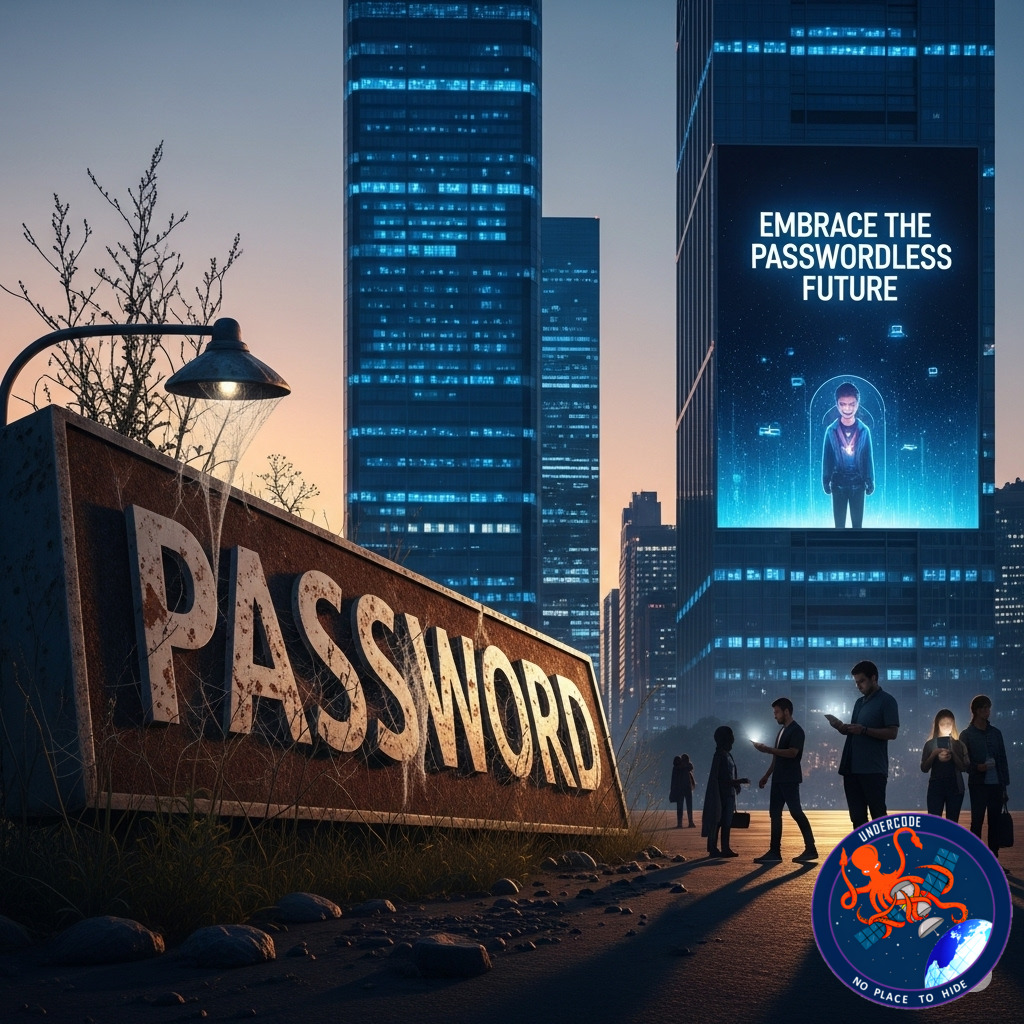
The Rising Pressure on Passwords
Passwords, once the cornerstone of online security, are facing their toughest challenge yet. Cybersecurity experts warn that sophisticated attackers can crack short passwords—eight characters or fewer—in mere minutes or even seconds. This alarming reality is pushing major technology companies to accelerate the development of alternative authentication methods such as biometric scans, passkeys, and multi-factor verification. Yet, while the industry moves toward stronger security, public hesitation and usability concerns are slowing the transition.
Microsoft, for example, has been actively promoting password-free logins for years, and since May has offered them as the default option for new users. Other digital services, including OpenAI’s ChatGPT, require additional verification steps like entering a one-time code sent to a verified email address. Experts such as Benoit Grunemwald from cybersecurity firm Eset emphasize that passwords are inherently flawed—not only because many users choose weak ones, but also because they often reuse them across multiple platforms. This makes them highly valuable in data breaches, as seen when researchers discovered a staggering database of 16 billion stolen login credentials in June.
To combat this, industry alliances like the Fast Identity Online (FIDO) group—featuring heavyweights like Google, Apple, Amazon, Microsoft, and TikTok—are working to popularize password-free authentication. Their preferred solution, “passkeys,” relies on a user’s device to confirm identity via biometrics or PINs, offering strong resistance against phishing attempts. Troy Hunt, founder of Have I Been Pwned, points out that unlike passwords, passkeys cannot be tricked out of users by fake websites.
Still, history shows that passwords have been declared dead many times before, only to persist. Hunt notes that there are actually more passwords in use today than a decade ago. A key barrier remains convenience: users understand passwords instinctively, but passkeys require setup, and restoring access after losing a device can be more complicated than a simple password reset.
Ultimately, as Grunemwald warns, the shift toward biometric and device-based authentication puts even more emphasis on securing personal devices. If smartphones and laptops become the primary keys to our digital lives, they will be prime targets for attackers. The password era may be nearing its twilight, but replacing it will require not just technology, but user trust and adaptation.
What Undercode Say:
The cybersecurity landscape is undergoing one of its most significant shifts since the introduction of two-factor authentication. The push toward passkeys and biometrics reflects a growing acknowledgment that human behavior is the weakest link in digital security. Weak passwords, credential reuse, and phishing susceptibility have all contributed to massive breaches, creating an environment ripe for change.
From an industry perspective, the adoption of password-free authentication is less about eliminating passwords entirely and more about reducing reliance on them in critical systems. By tying authentication to physical devices and biometrics, companies reduce the risk of credentials being stolen remotely. Passkeys also decentralize access, meaning that without physical possession of the device, an attacker’s job becomes exponentially harder.
However, the shift is not without friction. User education is a major obstacle—most people understand the simplicity of typing a password but may find multi-device setup processes daunting. Businesses must also weigh compatibility issues, as many smaller websites and applications still lack infrastructure for passkey integration. The result is a fragmented security environment where passwords continue to exist alongside newer, more secure systems.
Historically, technological transitions in security take years, if not decades. Consider the slow adoption of HTTPS or the long battle to enforce multi-factor authentication. Passkeys will likely follow the same trajectory, gaining traction in sensitive services first—such as banking, corporate logins, and healthcare portals—before trickling down to general internet usage.
There’s also the geopolitical dimension: in some regions, biometric data storage is heavily regulated, creating challenges for global rollout. And while passkeys prevent phishing, they do not solve the problem of device compromise. If malware infiltrates a smartphone, it can bypass the need for remote password theft entirely.
For the average user, the key takeaway is that security responsibility is shifting closer to the individual’s personal devices. Strong device-level security—encryption, secure PINs, regular updates—will become as important as the login method itself.
The password won’t vanish overnight. Instead, we’ll likely see a hybrid period where high-risk accounts adopt passkeys, while less critical services continue with traditional logins. Tech giants are betting that as users grow accustomed to seamless biometric verification, the password will fade into obsolescence naturally. But history warns us: convenience almost always wins over security in user behavior. The challenge for the industry is to make the secure option the easy option.
🔍 Fact Checker Results
✅ It is true that passwords under eight characters can be cracked in seconds with modern tools.
✅ Major tech companies like Microsoft, Google, and Apple are part of the FIDO Alliance promoting password-free logins.
❌ The password is not fully obsolete yet—most online services still use them as the primary method of authentication.
📊 Prediction
The next five years will see rapid adoption of passkeys in finance, enterprise, and government systems, with consumer adoption following more slowly. By 2030, passwords may be rare for high-value accounts but will persist in low-risk platforms, especially where biometric integration is impractical. Device-targeted attacks will likely surge as cybercriminals adapt to this shift.
🕵️📝✔️Let’s dive deep and fact‑check.
References:
Reported By: www.deccanchronicle.com
Extra Source Hub:
https://www.discord.com
Wikipedia
OpenAi & Undercode AI
Image Source:
Unsplash
Undercode AI DI v2
🔐JOIN OUR CYBER WORLD [ CVE News • HackMonitor • UndercodeNews ]
📢 Follow UndercodeNews & Stay Tuned:
𝕏 formerly Twitter 🐦 | @ Threads | 🔗 Linkedin | 🦋BlueSky | 🐘Mastodon


