
Listen to this Post
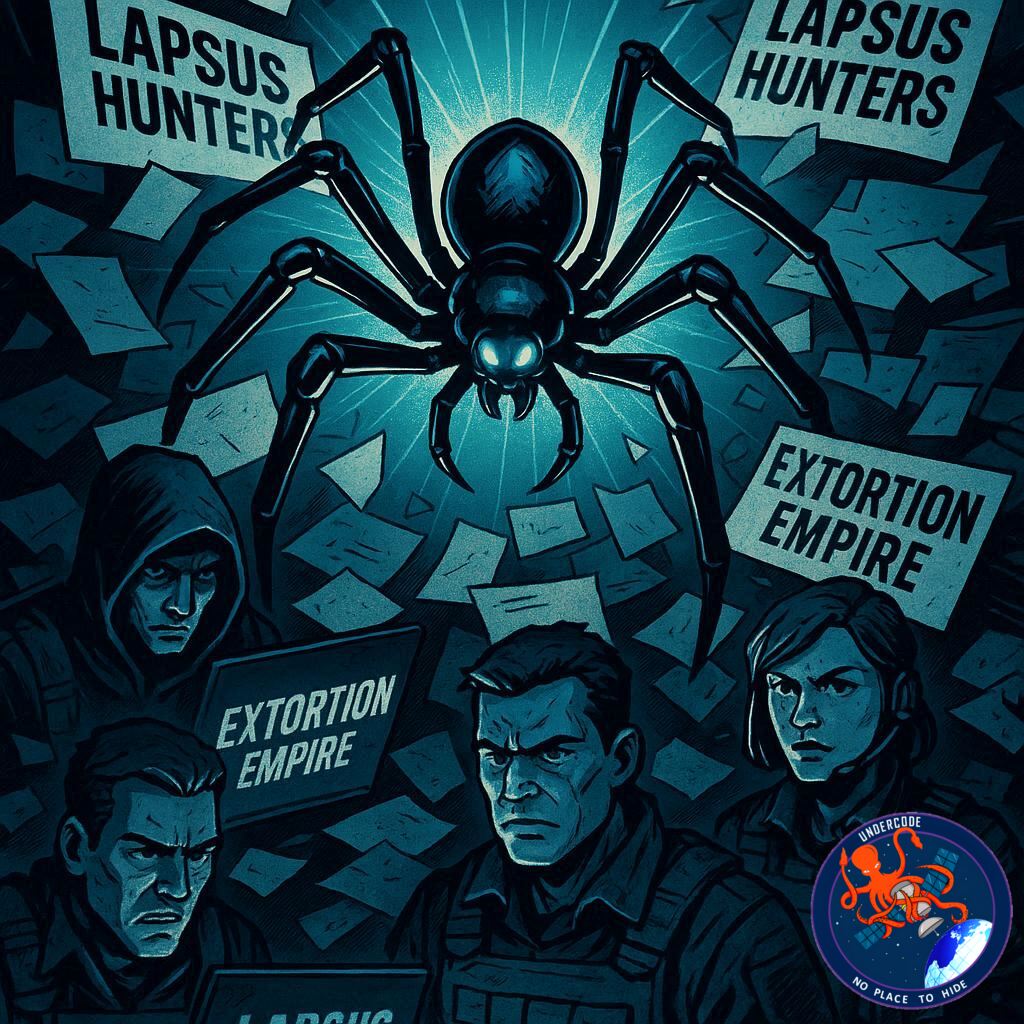
The New Era of Cyber Extortion
In the ever-changing landscape of digital warfare, a new chapter has been written. The notorious Scattered LAPSUS$ Hunters — a splinter cell allegedly derived from the infamous LAPSUS$ hacking collective — has launched a sophisticated campaign targeting global industries. Their latest move involves leaking personally identifiable information (PII) from six high-profile firms in the aviation, energy, and retail sectors, setting an ominous extortion deadline for October 10, 2025.
But that’s only part of the story. Alongside this data breach, the group has unveiled SHINYSP1D3R, a new ransomware strain paired with an “Extortion-as-a-Service” (EaaS) model. This new cybercrime ecosystem not only enables affiliates to participate but also openly recruits insiders via Telegram — signaling a dangerous evolution in the ransomware industry.
As corporations scramble to contain the breach, the cyber underground buzzes with discussions about SHINYSP1D3R’s modular design and the Hunters’ growing influence. Their Telegram activity reveals a blend of chaos and calculated professionalism, with digital flyers promising hefty payouts to employees willing to sell access to internal networks.
This model echoes the corporate structure of legitimate tech startups — but in a darker mirror. Instead of innovation, these threat actors have built a scalable cybercrime business that trades in fear, greed, and betrayal.
The group’s Salesforce-related data theft and extortion attempt appear to be the prelude to a much larger campaign. Security researchers suggest that the Hunters are testing their methods across industries to evaluate responses, ransom negotiation behavior, and media sensitivity. The leak of private consumer and employee data adds a chilling dimension — showing that personal privacy is the newest collateral in corporate warfare.
Experts warn that the Scattered LAPSUS$ Hunters’ shift to EaaS could make cyber extortion as accessible as gig work — lowering the entry barrier for criminals with minimal technical knowledge but insider access. It’s the gig economy of hacking: streamlined, ruthless, and profit-driven.
As the October deadline looms, affected companies are under immense pressure. Whether they pay the ransom or not, the damage to trust, reputation, and compliance could be irreversible. Governments, meanwhile, remain largely reactive, struggling to coordinate responses across borders.
The golden scale of cybercrime continues to tilt — and for now, it’s tipping in favor of the attackers.
What Undercode Say:
The Scattered LAPSUS$ Hunters represent a new breed of cyber threat actors: decentralized, media-savvy, and economically organized. Their tactics reveal not just technical skill but also a deep understanding of human psychology and business vulnerability.
Unlike the old ransomware groups that operated in shadows, the Hunters embrace exposure. Their Telegram channels serve as both recruitment platforms and propaganda tools, cultivating an image of rebellion mixed with professionalism. This blending of public bravado and private chaos is what makes them so dangerous — and unpredictable.
The introduction of SHINYSP1D3R ransomware marks a significant shift toward a commercialized cybercrime infrastructure. The EaaS model transforms extortion into a service economy, much like cloud computing did for legitimate industries. It’s a grim reflection of capitalism’s darker side — efficiency and scalability turned into tools of digital coercion.
By monetizing insider access, the group also exploits the weakest link in cybersecurity: people. No firewall or encryption can defend against an employee willing to betray their company for a payout. The Hunters’ focus on insider recruitment underscores the need for stronger corporate culture, trust frameworks, and behavioral monitoring.
From an analytical standpoint, this event signals a convergence of ransomware and insider threat markets. It’s no longer about encryption or data theft alone — it’s about narrative control, reputation damage, and information warfare. Scattered LAPSUS$ has learned from the failures of its predecessors, focusing less on technical complexity and more on psychological leverage.
Their decision to leak PII from multiple sectors — aviation, energy, retail — also demonstrates strategic diversification. By hitting varied industries, they increase the chance of media amplification and economic pressure, while avoiding the attention a single large-scale hit might attract.
The extortion deadline (October 10, 2025) is not arbitrary; it’s a tactic designed to trigger urgency, both in public perception and corporate decision-making. Such “countdown psychology” mirrors hostage negotiation strategies, merging old-school criminal tactics with digital precision.
From an ethical and economic lens, the rise of groups like Scattered LAPSUS$ reflects a dangerous evolution: cybercrime is no longer about chaos but about structured entrepreneurship. These hackers don’t just exploit code — they exploit systems of trust, regulation, and communication.
For corporations, the key takeaway is simple but sobering — cyber defense is no longer just about technology. It’s about anticipating behavior, understanding motivation, and securing the human factor as fiercely as the digital one.
In the next phase, expect more EaaS models to emerge, offering “subscription plans” for extortion services. The lines between hacker, insider, and affiliate will blur further, creating a complex web of digital mercenaries.
And in that chaos, only proactive intelligence and ethical countermeasures can keep balance on the golden scale of cybersecurity.
Fact Checker Results:
✅ Scattered LAPSUS$ Hunters have claimed responsibility for leaks targeting six major firms across aviation, energy, and retail.
✅ SHINYSP1D3R ransomware has been advertised with insider recruitment and EaaS features on Telegram.
❌ No verified reports yet confirm ransom payments or operational shutdowns among the affected companies.
Prediction:
💡 Expect SHINYSP1D3R to spark imitators — smaller cyber gangs adopting the EaaS model.
💣 Insider-driven breaches will surge as economic incentives align with cybercrime trends.
⚙️ By mid-2026, cybersecurity frameworks may pivot toward “insider behavior analytics” as the primary defense layer against this evolving threat.
🕵️📝✔️Let’s dive deep and fact‑check.
References:
Reported By: x.com
Extra Source Hub (Possible Sources for article):
https://www.stackexchange.com
Wikipedia
OpenAi & Undercode AI
Image Source:
Unsplash
Undercode AI DI v2
Bing
🔐JOIN OUR CYBER WORLD [ CVE News • HackMonitor • UndercodeNews ]
📢 Follow UndercodeNews & Stay Tuned:
𝕏 formerly Twitter 🐦 | @ Threads | 🔗 Linkedin | 🦋BlueSky | 🐘Mastodon


