
Listen to this Post
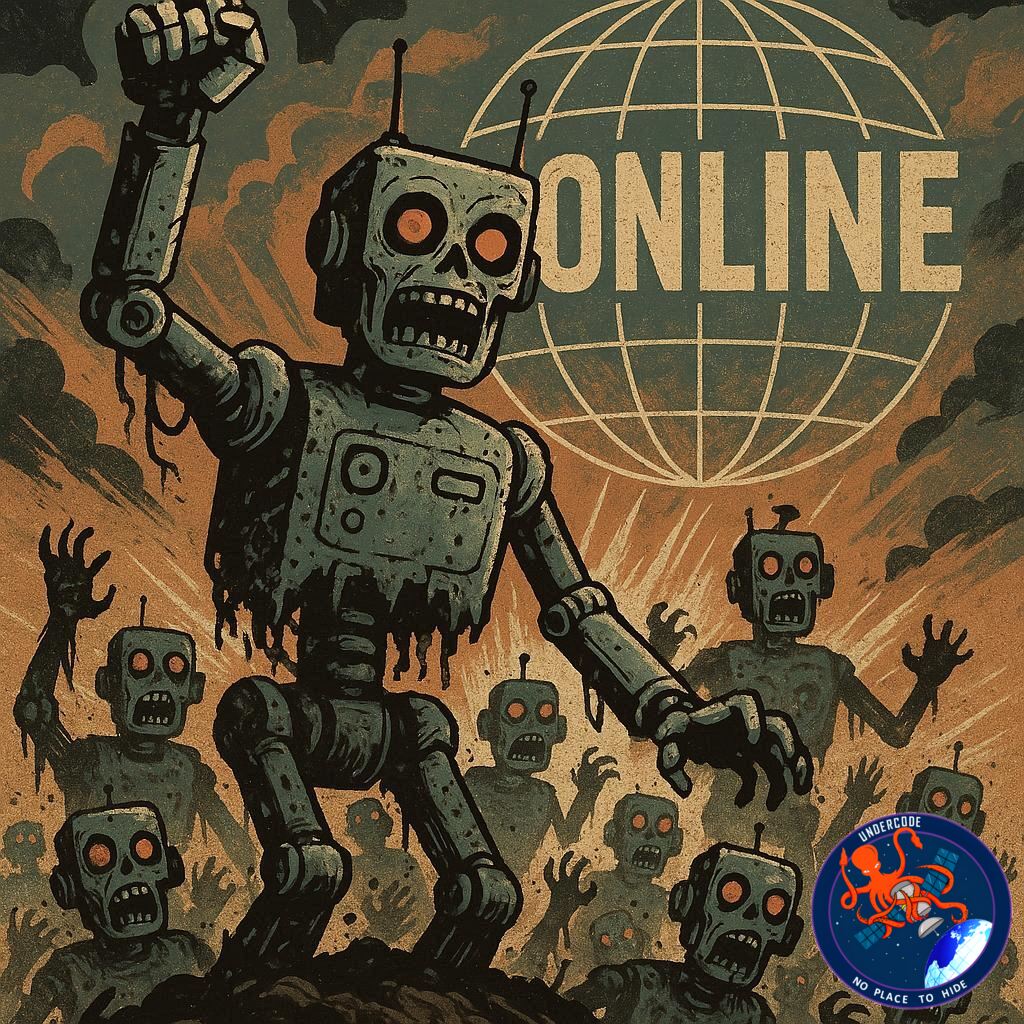
The internet has become a battleground between humans and machines, with a growing concern that much of what we interact with online is no longer created or managed by people. This phenomenon, dubbed the “dead internet theory,” suggests that bots, AI-generated content, and automated accounts now dominate the digital landscape, leaving authentic human interaction in the minority. Recently, this theory gained renewed attention when Reddit cofounder Alexis Ohanian acknowledged its plausibility, echoing similar observations by OpenAI CEO Sam Altman. The implications are vast—not only for social media but also for trust, authenticity, and the future of online communities.
The Dead Internet Theory: From Conspiracy to Reality
Alexis Ohanian, speaking on the TBPN podcast, highlighted the troubling trend: a significant portion of the internet now appears “dead.” According to Ohanian, much of the content we see online—ranging from automated posts on LinkedIn to AI-generated material—is no longer authentically human. Proof of life, such as live viewers, real interactions, and verifiable human activity, has become increasingly valuable in maintaining attention and trust online.
Ohanian’s view aligns with recent comments from Sam Altman, who admitted to noticing a surge in AI-driven accounts on platforms like Twitter. While Altman initially dismissed the theory, he observed firsthand how large language model (LLM)-run accounts are proliferating, blurring the line between real users and automated entities.
The origins of the “dead internet theory” trace back to 2021 when a user named “IlluminatiPirate” posted on the Agora Road forum, claiming that algorithms and bots were quietly taking over the online sphere. The Atlantic later amplified the idea with an article titled “Maybe you missed it, but the internet ‘died’ five years ago.” Over time, this theory shifted from niche speculation to mainstream discussion, especially as bot activity data began to surface.
Cybersecurity research confirms the theory has grounding in reality. Cloudflare reported that nearly one-third of internet traffic over the past year originated from bots. Imperva’s Bad Bot Report in July revealed that almost 50% of internet traffic is nonhuman, with 20% coming from malicious bots engaged in harmful activities. These statistics highlight the staggering presence of automated actors and raise questions about the authenticity of online engagement.
For Ohanian, the solution lies in creating platforms that are inherently human-centric. He predicts a new generation of social media that emphasizes real interactions, group chats, and verifiable human activity—where quality and trust take precedence over algorithmically amplified noise. According to him, these platforms may emerge as the true successors of current networks, offering authentic spaces for information exchange.
What Undercode Say: The Human-Machine Balance
The surge of bots and AI-generated content signals a tipping point in the internet’s evolution. Platforms once defined by human creativity are increasingly dominated by automated actors, fundamentally altering the dynamics of digital communication. For content creators, this creates a dual challenge: distinguishing themselves from synthetic noise while maintaining credibility.
Social media platforms are at the heart of this transformation. Algorithms designed to maximize engagement inadvertently prioritize bot-friendly content, amplifying posts that may not reflect genuine human behavior. As AI-generated content becomes indistinguishable from human-generated material, trust becomes a scarce commodity, forcing users to rely on verification systems, live interactions, or curated communities.
The dead internet theory also intersects with cybersecurity and misinformation concerns. Malicious bots not only flood platforms with spam but also manipulate narratives, spread disinformation, and exploit users for profit. This amplifies the need for transparency and stronger bot-detection measures. The numbers from Cloudflare and Imperva are sobering: billions of interactions every day may not involve humans at all.
From an innovation standpoint, Ohanian’s idea of human-centric platforms is both timely and necessary. Group chats and closed communities prioritize relational interactions over viral metrics, creating digital spaces where authenticity is measurable. Startups focusing on these human-first designs may define the next wave of social media, fostering trust, engagement, and community-driven content.
Moreover, AI itself can be both a problem and a solution. While it powers many of the bots saturating the internet, AI tools can also verify human activity, flag suspicious accounts, and enhance content authenticity. The challenge lies in applying AI responsibly—using it to strengthen human connections rather than replace them.
The rise of automated content also has cultural implications. Memes, news, and public discourse risk becoming homogenized, driven more by algorithmic predictability than genuine creativity. Human participation is increasingly relegated to passive consumption, limiting diversity of thought and undermining the spontaneity that once defined the internet.
This shift has financial consequences as well. Brands and advertisers targeting bot-inflated metrics may be misled, paying for engagements that do not reflect real user behavior. Platforms that can guarantee human activity may gain a competitive edge in the marketplace.
In essence, the dead internet is not merely a conspiracy—it’s a warning. Without deliberate efforts to prioritize authentic interaction, digital spaces risk losing the human touch that made them meaningful. This creates an urgent call for developers, policymakers, and users to rethink online design, engagement, and trust mechanisms.
The path forward may involve a blend of technological oversight, human-centric platform design, and regulatory measures to ensure bots serve rather than supplant human activity. Social media’s next chapter may depend on reclaiming what was once taken for granted: genuine human connection.
Fact Checker Results
✅ Cloudflare data confirms nearly one-third of internet traffic originates from bots.
✅ Imperva reports nearly 50% of internet traffic is nonhuman, including 20% malicious bots.
❌ The dead internet theory is not a proven conspiracy; it is partly speculative but grounded in observable trends.
Prediction 📊
The next five years will likely see a rise in “human-first” digital platforms focused on trust, community, and verifiable interactions. AI-driven content will continue to grow, but countermeasures such as bot detection, verification tools, and human-centric design will become essential. Users may increasingly migrate to private, smaller networks where authenticity is guaranteed, redefining the social media landscape.
🕵️📝✔️Let’s dive deep and fact‑check.
References:
Reported By: timesofindia.indiatimes.com
Extra Source Hub (Possible Sources for article):
https://www.instagram.com
Wikipedia
OpenAi & Undercode AI
Image Source:
Unsplash
Undercode AI DI v2
Bing
🔐JOIN OUR CYBER WORLD [ CVE News • HackMonitor • UndercodeNews ]
📢 Follow UndercodeNews & Stay Tuned:
𝕏 formerly Twitter 🐦 | @ Threads | 🔗 Linkedin | 🦋BlueSky | 🐘Mastodon


