
Listen to this Post
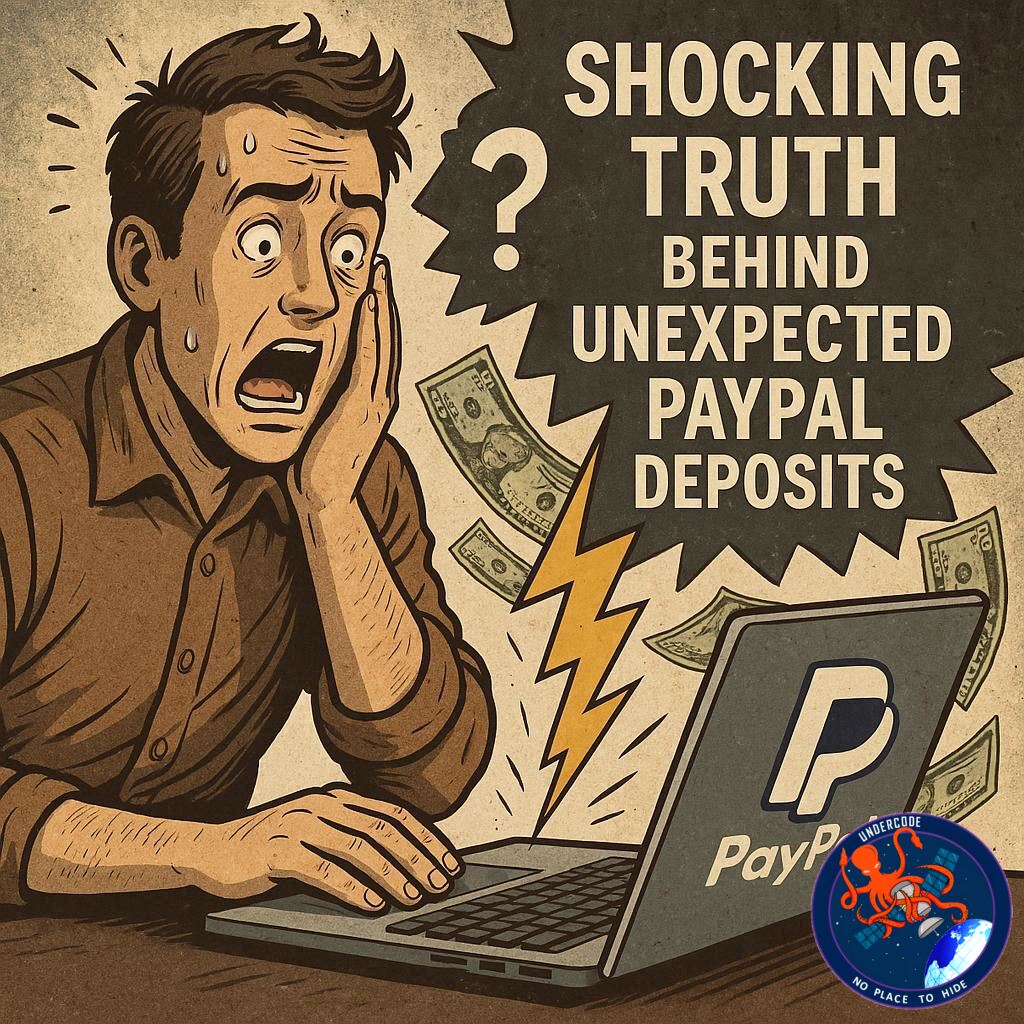
Introduction: When Money Appears Out of Nowhere
Imagine logging into your PayPal account and seeing $1,500 suddenly appear. Exciting, right? But what if you didn’t make any sale to earn it? No invoice, no Etsy or Shopify order—just money out of thin air. For small business owners, this scenario is more terrifying than thrilling because unexpected funds often come with hidden risks. Recent cases reveal that these surprise deposits are rarely harmless—they’re frequently scams targeting the most unsuspecting sellers.
The Mystery $1,500 Deposit
A small Etsy shop owner recently experienced this firsthand. She woke up to a $1,499.99 deposit she couldn’t explain. Panic quickly set in, as small business owners know that unexpected payments often have strings attached. The big question arises: was it a genuine mistake, a gift, or a sophisticated scam?
The Refund Scam 💳
One common tactic is the refund scam. Scammers “accidentally” send money, then request a refund via wire transfer, gift cards, or other methods outside PayPal. Later, the original payment is reversed, leaving the business owner out of the money they already sent.
Testing Stolen Cards 🔍
Some criminals use stolen credit cards or hacked accounts to test payments. They aren’t actually paying you—they’re checking if their stolen data works. When the legitimate cardholder disputes the charge, PayPal withdraws the money from your account, leaving you with losses.
Phishing Setups 🕵️♂️
Other times, the unexpected payment is bait. Scammers exploit the panic, tricking victims into revealing login details, clicking fake refund links, or confirming sensitive personal data.
A Widespread Threat
Although PayPal scams get the most attention, this tactic spans multiple platforms—Venmo, Zelle, Cash App, Stripe, and even standard bank transfers. The rule is universal: if money arrives from an unknown source, be skeptical.
Red Flags to Watch 🚨
Unsolicited payments without order confirmation
Requests to refund outside the original payment platform
Emails or messages pressuring you to act quickly
How to Protect Your Business
If you panic and wire the money back—or worse, ship products without a verified order—you risk losing money. Most “accidental” payments come from stolen credit cards. When the cardholder disputes the transaction, the platform reverses the payment. Refunds sent via alternative methods mean double losses.
Understanding Chargebacks
A chargeback occurs when a legitimate cardholder disputes a fraudulent payment. Overpayment scams exploit this system, betting that you’ll act before the reversal. Having clear protocols for verifying orders and unexpected payments is essential for every business.
Tools and Habits for Safety 🛡️
Verify every unexpected payment
Avoid refunds via unofficial channels
Educate your team on phishing and scam tactics
Use fraud protection tools provided by your payment processor
What Undercode Say: 🔎
Small businesses are increasingly targets of online financial scams, and unexpected deposits are a prime tool for fraudsters. These scams combine urgency with psychological manipulation, making even experienced entrepreneurs vulnerable.
The refund scam leverages human instinct: the urge to return money that “doesn’t belong to you.” Criminals exploit this by demanding alternative refund methods, where reversals or theft are almost guaranteed. Small sellers on platforms like Etsy and Shopify are particularly exposed because their transactions are smaller, frequent, and often automated.
Stolen card testing is a silent epidemic. A scammer can send multiple “test payments” to different accounts. When legitimate disputes occur, the small business bears the financial brunt. Many merchants fail to reconcile these early warning signs, assuming the payment is legitimate.
Phishing setups accompanying these scams are sophisticated. They can involve fake login pages, realistic emails from payment platforms, or even impersonating customer service. Businesses that respond without verification risk exposing sensitive account credentials, which can lead to further fraudulent activity.
Prevention requires both awareness and structured processes. Businesses should implement multiple verification layers for unexpected payments, including double-checking sender information, confirming orders before shipping, and using fraud detection software.
The risk is not platform-specific. While PayPal is frequently targeted, Venmo, Zelle, Cash App, Stripe, and even standard bank transfers are susceptible. The takeaway: treat all unsolicited payments with suspicion, regardless of the platform.
Training staff to recognize red flags is as crucial as technical safeguards. Common indicators include: unusual payment amounts, requests for alternative refund methods, urgent communication, or mismatched sender information. A single lapse can lead to significant financial loss.
Education and preparation are your best defenses. Regularly review chargeback policies, maintain secure login credentials, and verify every unexpected transaction before acting. This proactive approach reduces panic-driven mistakes and ensures financial safety.
Even seasoned business owners can fall victim to these scams. Vigilance, combined with tools like two-factor authentication and secure refund protocols, significantly mitigates risk. Over time, developing these habits becomes second nature, making your business more resilient to fraud attempts.
Ultimately, understanding scam mechanics empowers entrepreneurs. Knowledge of refund scams, card testing, and phishing setups transforms fear into actionable defense strategies. Small steps, such as verifying payments and educating staff, can prevent catastrophic losses.
Fact Checker Results ✅❌
✅ Unexpected payments are frequently linked to fraud attempts, not legitimate gifts.
✅ Refund scams exploit human urgency, often via alternative payment methods.
❌ Sending money back immediately without verification is highly risky.
Prediction 🔮
Expect scammers to evolve their tactics, targeting emerging platforms and payment methods. As small businesses increasingly rely on digital payments, the sophistication of overpayment and phishing scams will grow. Vigilance, proactive verification, and fraud awareness will be critical defenses for entrepreneurs in 2025 and beyond.
🕵️📝✔️Let’s dive deep and fact‑check.
References:
Reported By: www.bitdefender.com
Extra Source Hub:
https://www.facebook.com
Wikipedia
OpenAi & Undercode AI
Image Source:
Unsplash
Undercode AI DI v2
🔐JOIN OUR CYBER WORLD [ CVE News • HackMonitor • UndercodeNews ]
📢 Follow UndercodeNews & Stay Tuned:
𝕏 formerly Twitter 🐦 | @ Threads | 🔗 Linkedin | 🦋BlueSky | 🐘Mastodon


