
Listen to this Post
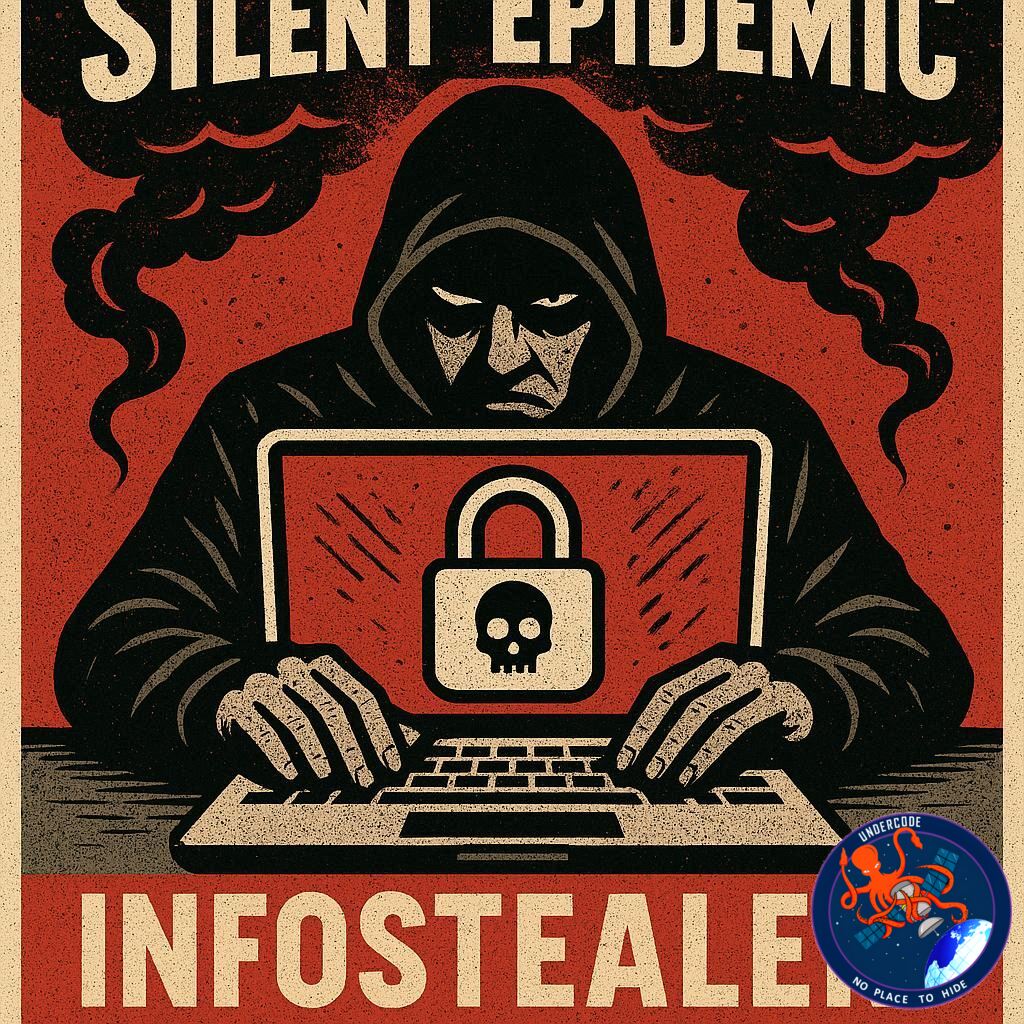
The New Face of Digital Theft
In today’s hyper-connected world, the biggest danger to your digital life doesn’t come from obvious scams or suspicious links—it comes silently, hiding behind what looks like ordinary activity. Cybersecurity experts are now sounding the alarm over infostealer malware, a class of malicious software designed to quietly collect login credentials, browser data, and even cryptocurrency wallet information without the victim ever knowing.
A recent post from Cybersecurity News Everyday (@TweetThreatNews) highlighted a growing solution to this digital epidemic: Hudson Rock’s free online tool, designed to help users determine if their usernames or credentials have been exposed through known malware breaches. The warning is clear—if you’re online, you’re at risk.
The advisory urges individuals and organizations alike to reset passwords immediately, enable multi-factor authentication (MFA), and keep software and systems up to date. These aren’t just recommendations—they’re lifelines in an era where stolen credentials circulate like digital currency on the dark web.
A Wake-Up Call for the Average User
Every day, thousands of computers are silently infected through malicious downloads, phishing links, or compromised browser extensions. Once infected, infostealer malware captures everything typed or stored—email addresses, saved passwords, cookies, credit card data—and sends it to cybercriminals’ servers.
From there, these credentials are sold in underground markets or used directly to breach corporate systems, execute financial fraud, or deploy further ransomware attacks.
The terrifying reality? Most users don’t even know they’ve been compromised. They may continue using infected devices for months, unaware that their credentials are being sold, shared, or used to open backdoors into sensitive accounts.
The Hudson Rock tool now offers a simple, accessible method for the public to check whether their usernames appear in known breach data collected from malware networks. It’s an invaluable first step toward reclaiming personal cybersecurity hygiene.
But as cybersecurity professionals emphasize, the real defense isn’t one-time detection—it’s habitual digital discipline. That means regularly updating passwords, never reusing them across platforms, enabling MFA on every possible service, and staying alert to new phishing techniques and emerging malware trends.
In short, infostealers are the new silent pandemic of the internet, spreading invisibly through everyday browsing and convenience. And while companies like Hudson Rock are building tools to alert users, the ultimate responsibility still falls on individuals to act fast, stay informed, and secure their digital footprints.
What Undercode Say:
This emerging crisis reflects a deeper truth about modern cybersecurity—the weakest link is almost never the technology; it’s human behavior.
Infostealer malware thrives on predictability. Most users reuse the same passwords across multiple sites, ignore software updates, or disable MFA because it feels “inconvenient.” That small lapse becomes a goldmine for cybercriminals.
Hudson Rock’s initiative is a vital development because it bridges the gap between professional cybersecurity infrastructure and public accessibility. Until recently, verifying whether one’s credentials were exposed required specialized tools or insider knowledge. By democratizing that access, Hudson Rock empowers ordinary users to take the first step toward defense.
But the larger question looms—why are infostealers rising so fast? The answer lies in automation and market demand. As artificial intelligence enhances phishing sophistication and credential-stealing scripts, cybercrime becomes industrialized. Infostealer campaigns now operate like legitimate businesses—with customer support, subscription tiers, and marketing strategies.
This industrialization means the traditional “reactive” cybersecurity mindset—patching systems only after incidents—no longer works. We need proactive threat prevention, real-time monitoring, and continuous user education.
Another under-discussed issue is corporate complacency. Too many organizations rely on outdated security protocols, failing to monitor dark web activity or to train staff in recognizing social engineering attacks. The cost of negligence is astronomical—not just in lost data, but in reputational damage and consumer trust.
The smart approach for individuals and businesses alike is layered defense:
Check regularly whether credentials have been compromised.
Use password managers to ensure strong, unique passwords for every account.
Activate MFA as a non-negotiable security barrier.
Avoid saving sensitive data in browsers, where infostealers easily harvest information.
Educate employees and family members about phishing tactics and credential safety.
The digital war has shifted from hacking systems to hacking habits. Until cybersecurity becomes as natural as locking your door, the breaches will keep coming. Hudson Rock’s tool is a reminder that awareness is the first weapon—and discipline, the strongest shield.
Fact Checker Results
✅ Hudson Rock does offer a free online tool for checking compromised usernames.
✅ Infostealer malware is currently one of the most widespread forms of credential theft.
❌ There’s no permanent protection—users must regularly update passwords and enable MFA for continued safety.
Prediction 🔮
As infostealer campaigns become more advanced, AI-driven detection tools will emerge as the next frontier of defense. Expect to see cybersecurity platforms integrating real-time compromise alerts, behavioral analytics, and automatic credential resets. The future of digital safety won’t just depend on firewalls—it will depend on how intelligently we use data to protect ourselves.
🕵️📝✔️Let’s dive deep and fact‑check.
References:
Reported By: x.com
Extra Source Hub (Possible Sources for article):
https://www.instagram.com
Wikipedia
OpenAi & Undercode AI
Image Source:
Unsplash
Undercode AI DI v2
Bing
🔐JOIN OUR CYBER WORLD [ CVE News • HackMonitor • UndercodeNews ]
📢 Follow UndercodeNews & Stay Tuned:
𝕏 formerly Twitter 🐦 | @ Threads | 🔗 Linkedin | 🦋BlueSky | 🐘Mastodon


