
Listen to this Post
Introduction
Everyday pleasures—from sipping tangy lemonade by the pool to enjoying a mango-berry smoothie or ending the day with steaming masala chai—seem harmless. Yet each acidic sip quietly attacks the hardest substance in your body: tooth enamel. Enamel is your teeth’s first and irreplaceable line of defense, shielding nerves and dentin from decay, sensitivity, and wear. Unlike bone, it contains no living cells and cannot repair itself once damaged. Understanding enamel’s fragility and how daily habits contribute to its erosion is essential to maintaining a healthy, lasting smile.
Enamel: The Invisible Shield of Your Teeth
Enamel acts like a superhero shield, thin yet incredibly strong. It protects teeth against:
Decay: Acting as a barrier, enamel prevents acids and bacteria from reaching softer dentin. Thinning enamel accelerates cavity formation.
Sensitivity: It insulates nerves from hot, cold, and acidic foods, allowing enjoyment of a hot cup of chai or an ice cream without pain.
Wear: Daily chewing, grinding, and clenching put immense pressure on teeth, which enamel absorbs to protect the underlying structures.
This constant guardianship is fragile; even foods considered healthy can erode enamel if consumed frequently or improperly.
Everyday Foods That Quietly Attack Enamel
Acidic foods like citrus fruits, fruit juices, and berries are often celebrated for health benefits, but repeated exposure gradually wears down enamel. Studies across India reveal the scale of the problem:
In Lucknow, 34% of adults showed signs of dental erosion, with fruit juice linked to 67% of cases and carbonated drinks to 64%.
In South India, regular lemon consumers had 13.4 times higher odds of enamel erosion.
Coastal South-West India reports only 0.6% of adults without signs of tooth wear, highlighting how widespread enamel vulnerability has become.
For instance, a young professional in Bengaluru replacing her breakfast with yogurt, lemon, berries, and orange juice experienced sharp sensitivity within months. Her dentist confirmed mild enamel erosion—not from poor hygiene, but from repeated acid exposure and brushing immediately afterward. Even “healthy” foods can weaken enamel when habits intensify acid attacks.
Strengthening and Protecting Enamel
The good news: protecting enamel doesn’t require giving up favorite foods; it requires mindful habits:
Time your intake: Consume acidic foods in one sitting rather than sipping throughout the day to minimize prolonged exposure.
Rinse and wait: Swish water after acidic foods or drinks and wait at least 30 minutes before brushing.
Use fluoride: Fluoride toothpaste helps remineralize weakened enamel.
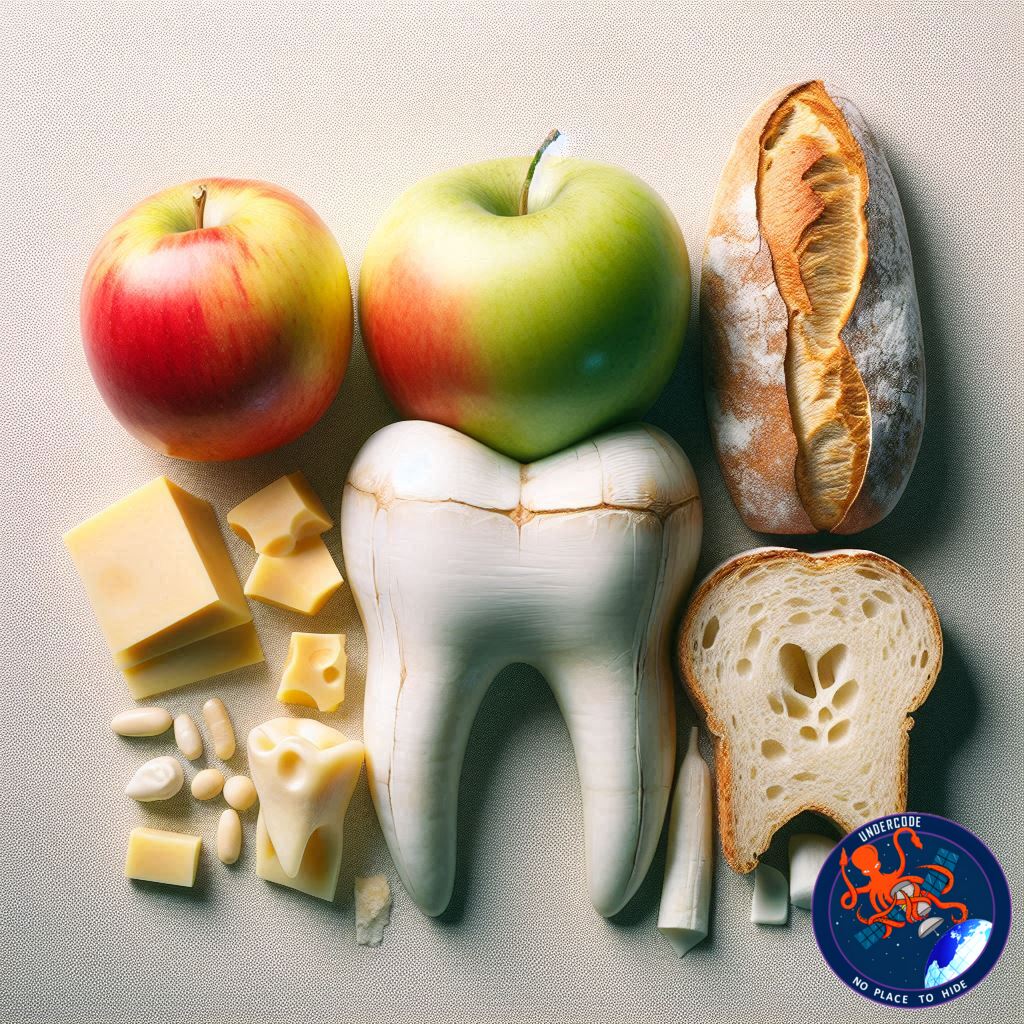
Balance with neutralizers: Dairy, nuts, and crunchy vegetables neutralize acids and stimulate saliva, naturally protecting enamel.
Regular dental visits: Early detection of erosion allows intervention before significant sensitivity or decay develops.
With these strategies, enamel can continue its vital role in shielding teeth, preserving both function and aesthetics.
What Undercode Say: A Deep Dive into Enamel Erosion
Enamel erosion is more than a cosmetic concern; it is a silent epidemic rooted in modern dietary and lifestyle habits. Acidic foods, while nutritionally beneficial, are chemically aggressive against enamel when exposure is frequent and prolonged. The Indian context is particularly concerning: high consumption of citrus, fruit juices, and soft drinks has created a population-wide vulnerability. Unlike bone, enamel cannot regenerate; every micron lost is permanent.
Behavioral patterns significantly influence erosion risk. Sipping acidic beverages over hours, brushing immediately after acidic meals, and lack of neutralizing foods or saliva stimulation exacerbate damage. Even high awareness doesn’t mitigate risk unless daily routines are adapted to minimize enamel assault.
Preventive measures are both simple and effective, but require consistency. Fluoride acts as a chemical shield, neutralizers restore pH balance, and proper timing of meals prevents prolonged acid attacks. Notably, dental checkups are critical—erosion begins subtly, often unnoticed until sensitivity or visible wear occurs.
From a public health perspective, these findings suggest the need for targeted awareness campaigns and routine preventive practices. Nutritional advice alone is insufficient; education on timing, habits, and protection strategies is essential. If unchecked, enamel erosion leads to a cascade of issues: heightened sensitivity, faster cavity progression, costly restorations, and diminished quality of life.
Globally, enamel loss is tied to chronic disease patterns and dietary shifts. India exemplifies the interplay between traditional diets and modern convenience foods. The prevalence of enamel wear underscores the urgency of integrating behavioral interventions with dental care.
In clinical terms, early intervention is key. Preventive fluoride treatments, remineralization therapies, and habit modifications can arrest damage progression. In the long term, a culture of mindful consumption—paired with preventive dentistry—can mitigate what is otherwise an irreversible process.
Ultimately, enamel protection is about balance. It is not abstinence, but strategic consumption and smart oral care that determine long-term dental health. Every mindful choice—spacing acidic intake, rinsing, fluoride use, neutralizing foods—translates into prolonged enamel resilience, ensuring that smiles remain strong, healthy, and pain-free.
Fact Checker Results
✅ Dental erosion is prevalent in India, with studies showing high rates of enamel wear.
✅ Acidic foods and beverages are major contributors to enamel damage.
❌ Enamel cannot repair itself naturally, unlike bone, making preventive care essential.
Prediction
📊 Enamel erosion will continue rising with increasing consumption of acidic beverages and fruits in urban populations.
📊 Public health initiatives focusing on awareness, timing of consumption, and fluoride use could reduce future cases.
📊 Innovative enamel-protecting dental products may see higher adoption as sensitivity awareness grows.
🕵️📝✔️Let’s dive deep and fact‑check.
References:
Reported By: timesofindia.indiatimes.com
Extra Source Hub (Possible Sources for article):
https://www.reddit.com/r/AskReddit
Wikipedia
OpenAi & Undercode AI
Image Source:
Unsplash
Undercode AI DI v2
Bing
🔐JOIN OUR CYBER WORLD [ CVE News • HackMonitor • UndercodeNews ]
📢 Follow UndercodeNews & Stay Tuned:
𝕏 formerly Twitter 🐦 | @ Threads | 🔗 Linkedin | 🦋BlueSky | 🐘Mastodon


