
Listen to this Post
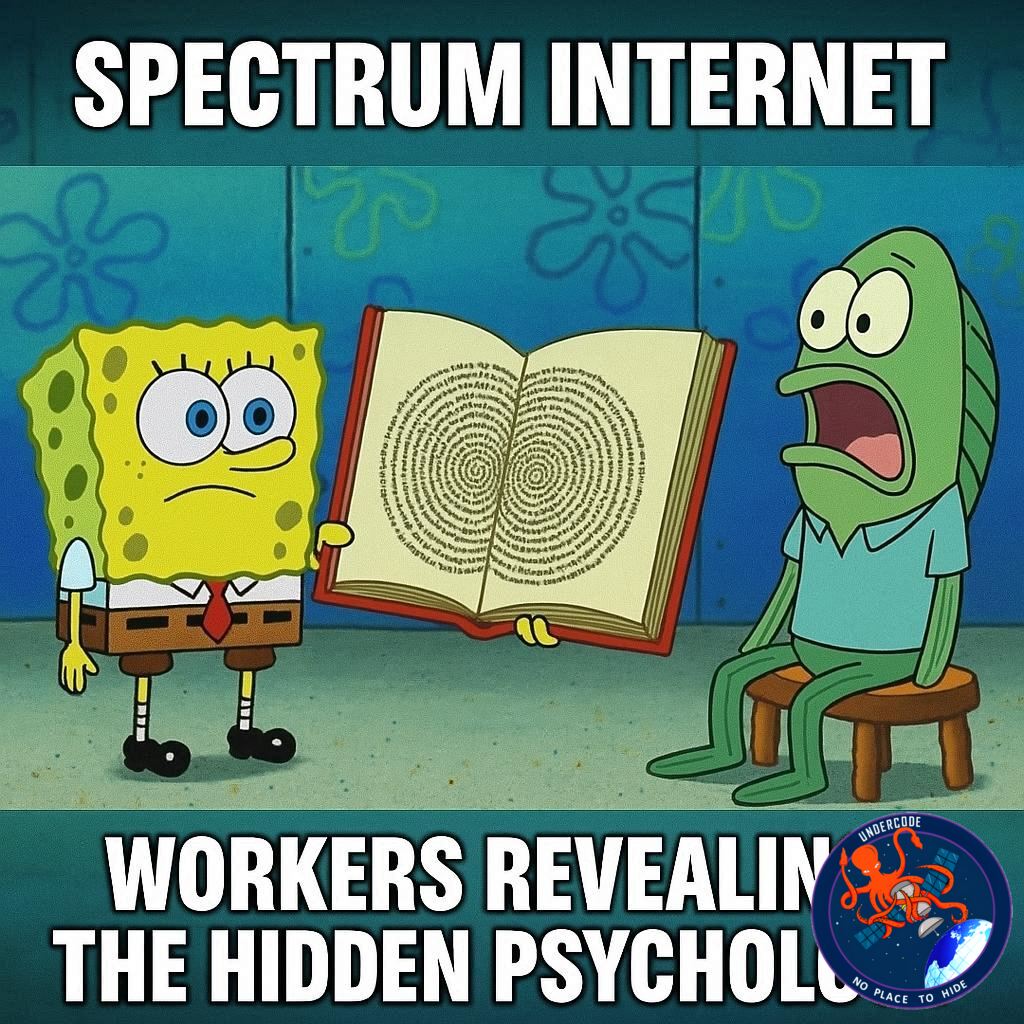
The internet never fails to transform nostalgia into insight, and a viral post shared by @malwrhunterteam on X (formerly Twitter) did exactly that. What began as a lighthearted meme about SpongeBob SquarePants turned into a self-aware reflection of the emotional states many IT professionals experience. The post featured three iconic SpongeBob characters—SpongeBob himself, Patrick, and Squidward—each representing different mental and emotional “stages” people go through in tech life.
Almost instantly, IT veterans and cybersecurity experts flooded the replies with laughter, irony, and a surprising amount of truth. It wasn’t just a meme anymore—it was a mirror held up to the soul of the IT world.
The Viral Reflection of Modern IT Life
The original post, shared by MalwareHunterTeam, spread quickly through the cybersecurity and tech communities. It was soon reposted and commented on by personalities like IT SPARC Cast and Cheddar Wiggins, who amplified the humor with emojis and fiery reactions. Each comment, from the sarcastic to the heartfelt, revealed just how universally relatable the meme had become.
One user, A.A (@gundamn550), captured the essence of the sentiment perfectly: “Haha after 20 years in IT; yep.” That simple acknowledgment resonated deeply—it wasn’t exaggeration, but lived experience.
Then came @geekgoyle, admitting, “I oscillate between SpongeBob and Squidward.” That phrase alone described the internal conflict of countless professionals—some days driven by optimism and caffeine, other days crushed under tickets, bugs, and endless updates.
Meanwhile, John Barger (@john_video) humorously complained about being “in the post,” adding a human twist: the digital fatigue of being part of a joke that hits too close to home. Others chimed in with similar tones—@Msx190 admitting, “I’m all 3 at least once a week,” and @SpeedyTerry confessing, “I’m at stage 3.”
Even more revealing was @SootySec, who commented, “I think I was asleep during my ‘motivated and helpful’ stage.” That single sentence summarized the burnout arc: enthusiasm, realism, exhaustion.
And finally, @Omnicris added the most viral observation of all:
“It’s crazy as a kid how you never realized that the three main characters of SpongeBob would be a blueprint for life 😂😂😂.”
That reflection wasn’t just funny—it was profound. As children, SpongeBob represented playfulness and curiosity. As adults, we recognize Squidward in our cynicism, Patrick in our confusion, and SpongeBob in our fleeting bursts of joy.
Across hundreds of replies, the meme became a living thread of emotional honesty—a collective diary written in humor.
What Undercode Say:
The SpongeBob meme’s virality isn’t accidental—it’s a reflection of digital-era psychology, especially within technical professions like IT, cybersecurity, and software development. These fields demand constant adaptability, high stress tolerance, and emotional resilience in environments where appreciation is rare and burnout is frequent.
The meme’s three-character archetype unintentionally maps to a psychological reality:
SpongeBob represents idealism and passion. The eager worker who starts each day with optimism, a love for problem-solving, and unshakable enthusiasm.
Patrick stands for naïve confusion—the stage when fatigue mixes with apathy, yet we still show up because routine demands it.
Squidward, however, symbolizes emotional burnout—a state of quiet cynicism where creativity feels dry and even small tasks feel monumental.
This cyclical pattern isn’t limited to IT—it’s becoming the emotional cadence of digital work culture at large.
The modern tech environment rewards output, not balance. The meme resonates because every IT worker has been all three characters at once: fixing bugs with SpongeBob’s determination, debugging with Patrick’s bewilderment, and logging off like Squidward—tired but resigned.
There’s also an element of collective therapy in how the community engaged with the post. By joking about their exhaustion, they momentarily reclaim control over it. Humor becomes resilience; laughter becomes resistance.
What’s fascinating is how this meme shows memetic empathy—a shared understanding expressed through pop culture symbols. A generation raised on cartoons now uses those same symbols to articulate their adult struggles. SpongeBob and Squidward have evolved from characters into psychological metaphors for the digital workforce.
The broader takeaway? Internet humor is no longer trivial—it’s data. Every viral post like this reveals underlying emotional truths about modern professionals. Burnout, motivation cycles, and emotional fatigue are now part of public discourse, not hidden behind corporate walls.
It’s worth noting that this entire thread didn’t revolve around technology or cybersecurity at all—it revolved around humanity. The irony is poetic: people who spend their lives managing machines find solace in memes about fictional sea creatures.
As a reflection of the digital age, this meme is more than just a laugh—it’s a case study in how humor, identity, and burnout intersect. It’s a reminder that the IT world doesn’t lack empathy; it just hides it behind code, sarcasm, and SpongeBob GIFs.
Fact Checker Results:
✅ The meme originated from @malwrhunterteam’s post in November 2024.
✅ Reactions came primarily from IT and cybersecurity professionals.
✅ The conversation highlighted real emotional cycles within digital work culture.
Prediction 💡
The SpongeBob meme may just be the start of a new wave of “emotional realism” memes—where humor serves as both reflection and release. Expect to see more posts turning childhood pop culture into mirrors for adult burnout, corporate fatigue, and the quiet longing for balance in the tech-driven world.
🕵️📝✔️Let’s dive deep and fact‑check.
References:
Reported By: x.com
Extra Source Hub (Possible Sources for article):
https://www.twitter.com
Wikipedia
OpenAi & Undercode AI
Image Source:
Unsplash
Undercode AI DI v2
Bing
🔐JOIN OUR CYBER WORLD [ CVE News • HackMonitor • UndercodeNews ]
📢 Follow UndercodeNews & Stay Tuned:
𝕏 formerly Twitter 🐦 | @ Threads | 🔗 Linkedin | 🦋BlueSky | 🐘Mastodon


