
Listen to this Post
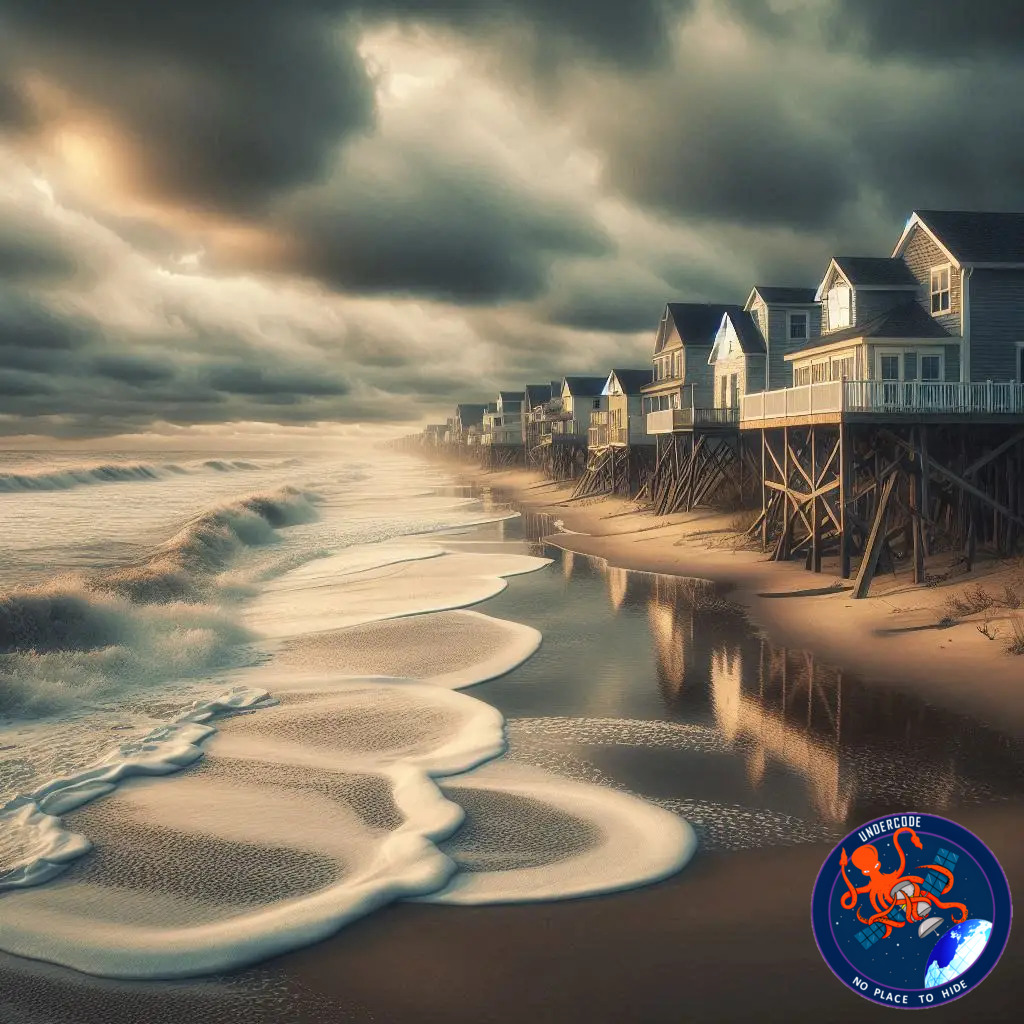
When Stacy Morgan and Brandon Dodick purchased their dream beach house in Buxton, North Carolina, in May, they envisioned a peaceful retirement spent listening to the waves. Yet, in less than half a year, their dream was swallowed by the ocean. Their home became one of 27 beachfront properties on Hatteras Island’s barrier islands—spanning Buxton and Rodanthe—that have collapsed into the sea since 2020. Rising sea levels, relentless storms, and relentless coastal erosion are reshaping these communities faster than officials can respond, offering a stark preview of the challenges facing coastlines worldwide.
The story of Morgan and Dodick is not unique. In the past five years, Hatteras Island has lost dozens of homes, with 16 collapsing since last September alone. Most were unoccupied, but the financial and emotional toll on property owners is immense. Local homeowners are confronting a reality where traditional safeguards, such as the National Flood Insurance Program (NFIP), fail to offer practical protection. Amid a government shutdown, the NFIP cannot issue, renew, or adjust policies, leaving residents like Morgan, Dodick, and longtime locals like Lat Williams to navigate a precarious coastline on their own.
Experts point out that many of these homes were originally built hundreds of feet from the waterline. Over decades, however, the shoreline has steadily encroached, bringing structures to the water’s edge. When debris from a neighboring house destroyed Morgan and Dodick’s foundation in late September, their home was gone within weeks—a heart-wrenching demonstration of nature’s speed. For those still on the island, the urgent question is not if, but when they will have to move their homes inland to survive.
The financial burden of relocation is significant. Williams, for instance, has spent $55,000 just to move his house away from the advancing shore, an expense not covered by insurance. Under NFIP rules, homeowners receive compensation only if they allow their houses to collapse into the ocean. Beyond financial strain, the collapse of homes poses environmental risks, spreading debris and pollution along the coast.
Even with substantial interventions like beach nourishment—which saw an $18 million investment in 2022—the pace of erosion outstrips human efforts. Coastal researchers warn that Hatteras may be a “canary in the coal mine,” signaling broader challenges for U.S. coastlines. Attempts to install structural barriers like groins or jetties may only displace erosion rather than prevent it. As climate change intensifies storms and accelerates sea-level rise, similar fates could await other high-risk coastal areas.
Morgan and Dodick’s dream of a serene beach life was cut short, a harsh reminder of nature’s unforgiving power and the inadequacy of current policies. Homeowners now face not just the destruction of property, but the loss of memories, community, and security—all while government support falters. For many, the question isn’t whether their home will be safe, but how they can survive the inevitable.
What Undercode Say:
The situation in Buxton and Rodanthe is emblematic of a broader climate crisis unfolding at the intersection of human habitation and natural coastal processes. Barrier islands, by nature, are dynamic environments—they shift, erode, and rebuild. Yet decades of development have created an illusion of permanence, encouraging investment in areas highly vulnerable to storm surges and sea-level rise. The reality is stark: houses that were once considered safe hundreds of feet from the shore are now perilously close to the water’s edge, demonstrating that our historical metrics for “safe distance” no longer apply.
Financial structures intended to protect homeowners, such as the NFIP, are lagging behind. Policies often reward inaction—paying out only after a collapse—rather than incentivizing proactive relocation or adaptation. This paradox highlights systemic flaws in disaster preparedness, risk management, and climate resilience. Residents are left making impossible choices between costly preventive action and risking complete loss.
Beach nourishment projects, while helpful, are temporary measures. They require continuous replenishment and cannot address the underlying problem of rising seas. Structural solutions like jetties or groins may redistribute sand but fail to prevent erosion entirely. This scenario illustrates a fundamental lesson: human engineering can mitigate, but not fully control, the natural processes intensified by climate change.
The human dimension of this crisis is equally important. Families like Morgan and Dodick invested emotional energy into their homes, only to see them vanish. Longtime residents, such as Lat Williams, must make tough financial and logistical decisions, balancing heritage and memory against practical survival. Such scenarios are increasingly common worldwide, where climate change intersects with real estate markets, personal wealth, and community stability.
What’s happening on Hatteras Island should be a wake-up call. Coastal communities from the Outer Banks to Miami and beyond face similar threats, yet policy frameworks remain reactive rather than preventive. Investment in relocation infrastructure, resilient building practices, and proactive insurance reform is critical. Otherwise, the cycle of destruction and loss will continue, leaving homeowners and ecosystems alike vulnerable.
Climate projections suggest that the frequency and intensity of storms will only increase, exacerbating coastal erosion. Barrier islands, estuaries, and low-lying shorelines are likely to see acceleration in property losses unless mitigation measures evolve rapidly. Public awareness, political will, and innovative funding strategies are essential to protect both lives and livelihoods.
Hatteras’ losses are not isolated incidents but a warning about the escalating costs of climate inaction. While technology, policy, and engineering can provide temporary buffers, the ultimate solution may require a cultural shift in how we inhabit and value coastal regions. Communities must reconcile the allure of oceanfront living with the reality of an increasingly volatile environment—a challenge that tests not only engineering acumen but societal priorities.
Fact Checker Results:
✅ At least 27 homes on Hatteras Island have collapsed into the ocean since 2020.
✅ Coastal erosion is accelerating, outpacing beach nourishment efforts.
❌ The NFIP currently does not cover proactive relocation of homes; payout occurs only after collapse.
Prediction:
🌊 If current trends continue, more homes along North Carolina’s barrier islands will be lost within the next five years. Rising seas, intensified storms, and reactive insurance policies will likely push communities to relocate inland, either voluntarily or under necessity. Innovative adaptation strategies, including preemptive relocation and resilient infrastructure, may emerge as critical survival tools for coastal residents nationwide.
🕵️📝✔️Let’s dive deep and fact‑check.
References:
Reported By: edition.cnn.com
Extra Source Hub (Possible Sources for article):
https://www.github.com
Wikipedia
OpenAi & Undercode AI
Image Source:
Unsplash
Undercode AI DI v2
Bing
🔐JOIN OUR CYBER WORLD [ CVE News • HackMonitor • UndercodeNews ]
📢 Follow UndercodeNews & Stay Tuned:
𝕏 formerly Twitter 🐦 | @ Threads | 🔗 Linkedin | 🦋BlueSky | 🐘Mastodon


