
Listen to this Post
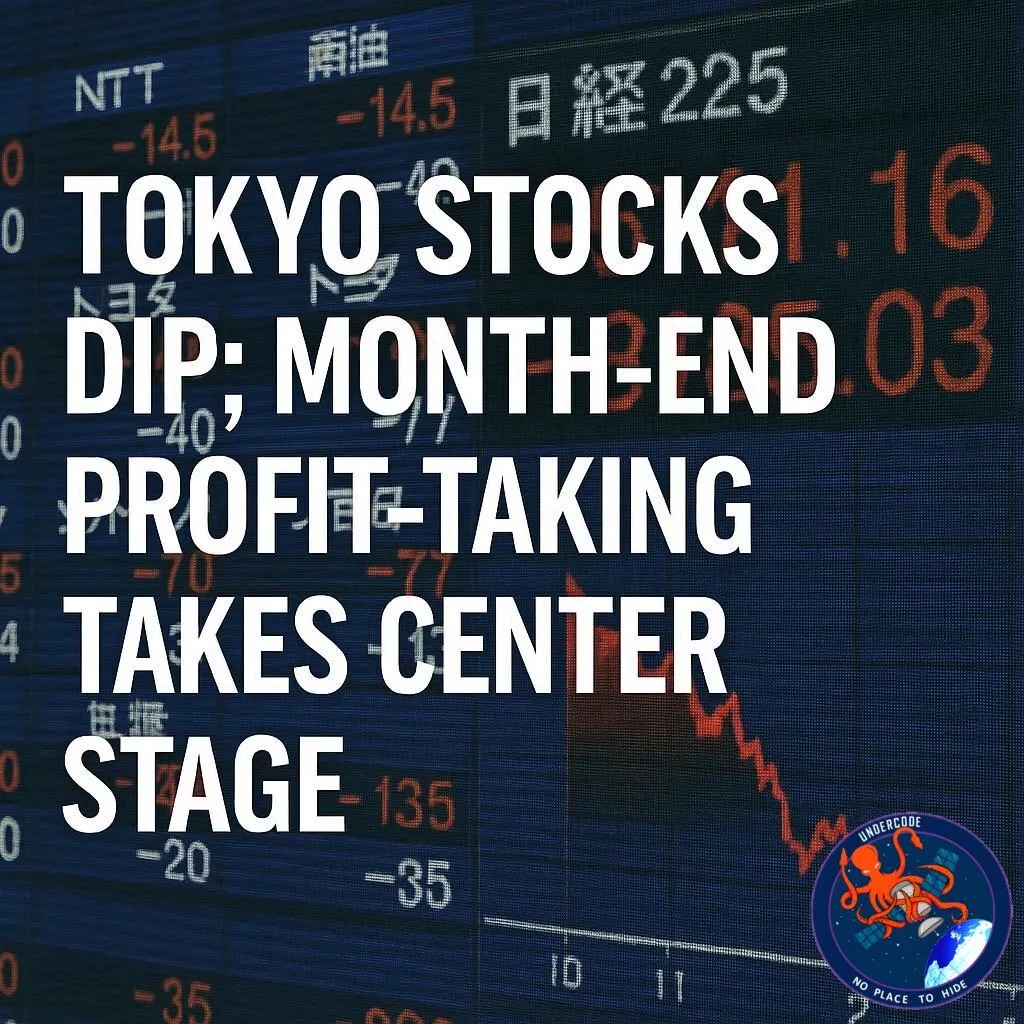
The Tokyo Stock Exchange saw the Nikkei 225 retreat on August 29, closing down 110.32 points (0.26%) at 42,718.47. After a strong 4% rise in August, investors increasingly engaged in profit-taking and portfolio adjustments ahead of month-end. Institutional investors reportedly contributed to selling pressure as they rebalanced their asset allocations, which briefly pushed the Nikkei down by more than 200 points.
Notably, major gainers over August, including Toyota and Sony Group, faced significant profit-taking. Meanwhile, domestic bond yields surged to levels not seen in 17 years, creating a classic “stocks up, bonds down” scenario. Some funds appeared to sell equities to buy bonds, in line with mean-reversion expectations across asset classes, which weighed on the market.
After the initial wave of selling, the Nikkei pared losses thanks to a pause in usd appreciation and steady gains in other Asian markets. Interest in AI-related stocks, fueled by strong earnings from NVIDIA in the U.S., lifted companies like SoftBank Group, Advantest, and Fujikura in the afternoon, providing support to the index.
August marked a 4% gain for the Nikkei, achieving a fifth consecutive monthly rise—the first such streak since January–June 2023. Junpei Tanaka, head of investment strategy at Pictet Japan, noted that in September, the market may face headwinds from rising usd-dollar trends amid expectations of Bank of Japan rate hikes, even as U.S. rate cuts and tariff uncertainties ease.
The broader TOPIX index also declined, closing at 3,075.18 (-0.47%), though it rose 4.4% over August for its fifth straight monthly gain. The JPX Prime 150 index fell 6.77 points (0.51%) to 1,325.78.
Trading activity on the TSE Prime market amounted to roughly ¥4.4068 trillion, with 1.8667 billion shares changing hands. Decliners outnumbered gainers, with 929 stocks down, 632 up, and 57 unchanged.
Among notable movers, Tokyo Electron and Fanuc fell, alongside retailers such as Fast Retailing and Ryohin Keikaku. Conversely, Dentsu Group rose after the Financial Times reported potential divestments in overseas operations. Mitsubishi Corp. continued its rally following Berkshire Hathaway’s disclosed buying, reaching new year-to-date highs. Itochu and Mitsui also posted gains.
What Undercode Say: Market Implications and Analysis
The late-August retreat in the Nikkei reflects a textbook case of month-end profit-taking combined with institutional portfolio rebalancing. The market’s sensitivity to both domestic bond yields and currency fluctuations highlights the complex interplay between equities, bonds, and foreign exchange positions in Japan’s export-heavy economy.
Long-term trends suggest that Japanese equities continue to enjoy momentum, with five consecutive months of gains demonstrating resilience despite temporary pullbacks. However, the temporary pressure from profit-taking underscores investor caution: global macroeconomic factors such as U.S. interest rate policies and usd strength can quickly alter market sentiment.
AI-related stocks emerged as a bright spot, demonstrating how international tech earnings can influence domestic equities. NVIDIA’s strong results catalyzed buying in companies like SoftBank and Advantest, showing how interconnected the global tech landscape has become. This could signal a structural shift where Japanese investors increasingly respond to overseas tech performance, rather than solely domestic indicators.
For institutional investors, rebalancing between equities and bonds remains a critical driver. The spike in long-term yields creates incentives for reallocating portfolios, which can amplify volatility in stock markets during month-end periods. Additionally, large-scale moves by marquee investors like Warren Buffett highlight the influence of global capital flows on individual Japanese stocks.
Retail sentiment also remains a key factor. Despite broad declines, stocks with news-driven momentum, such as Dentsu and Mitsubishi, indicate that investors are selectively seeking growth stories amid market turbulence. This bifurcation suggests that while overall indices may experience pressure, strong fundamentals and strategic global positioning can continue to deliver individual winners.
Overall, the current market scenario presents both caution and opportunity. Japanese equities are still on a rising trajectory, but currency fluctuations, global tech performance, and institutional rebalancing will likely dictate near-term volatility. Investors would be wise to monitor these factors closely, particularly as September opens a new fiscal quarter with potential policy shifts from both the Bank of Japan and U.S. Federal Reserve.
🔍 Fact Checker Results
✅ Nikkei 225 closed down 110.32 points at 42,718.47 on August 29.
✅ August marked the Nikkei’s fifth consecutive monthly gain.
✅ Berkshire Hathaway increased its stake in Mitsubishi Corporation, contributing to its stock rise.
📊 Prediction: Near-Term Market Outlook
Given the end-of-month rebalancing pressure and expectations for a stronger usd, the Nikkei may experience choppy trading in early September. AI-related and export-sensitive stocks could lead rallies, but broader indices may struggle to sustain gains. Institutional activity and global interest rate trends will remain key drivers, suggesting that volatility could persist until macroeconomic clarity emerges.
If you want, I can also create a more sensational, clickbait-style title that would drive higher reader engagement for this article. Do you want me to do that?
🕵️📝✔️Let’s dive deep and fact‑check.
References:
Reported By: xtechnikkeicom_3e4895d9b1b2fde8cbf59234
Extra Source Hub:
https://www.discord.com
Wikipedia
OpenAi & Undercode AI
Image Source:
Unsplash
Undercode AI DI v2
🔐JOIN OUR CYBER WORLD [ CVE News • HackMonitor • UndercodeNews ]
📢 Follow UndercodeNews & Stay Tuned:
𝕏 formerly Twitter 🐦 | @ Threads | 🔗 Linkedin | 🦋BlueSky | 🐘Mastodon


