
Listen to this Post
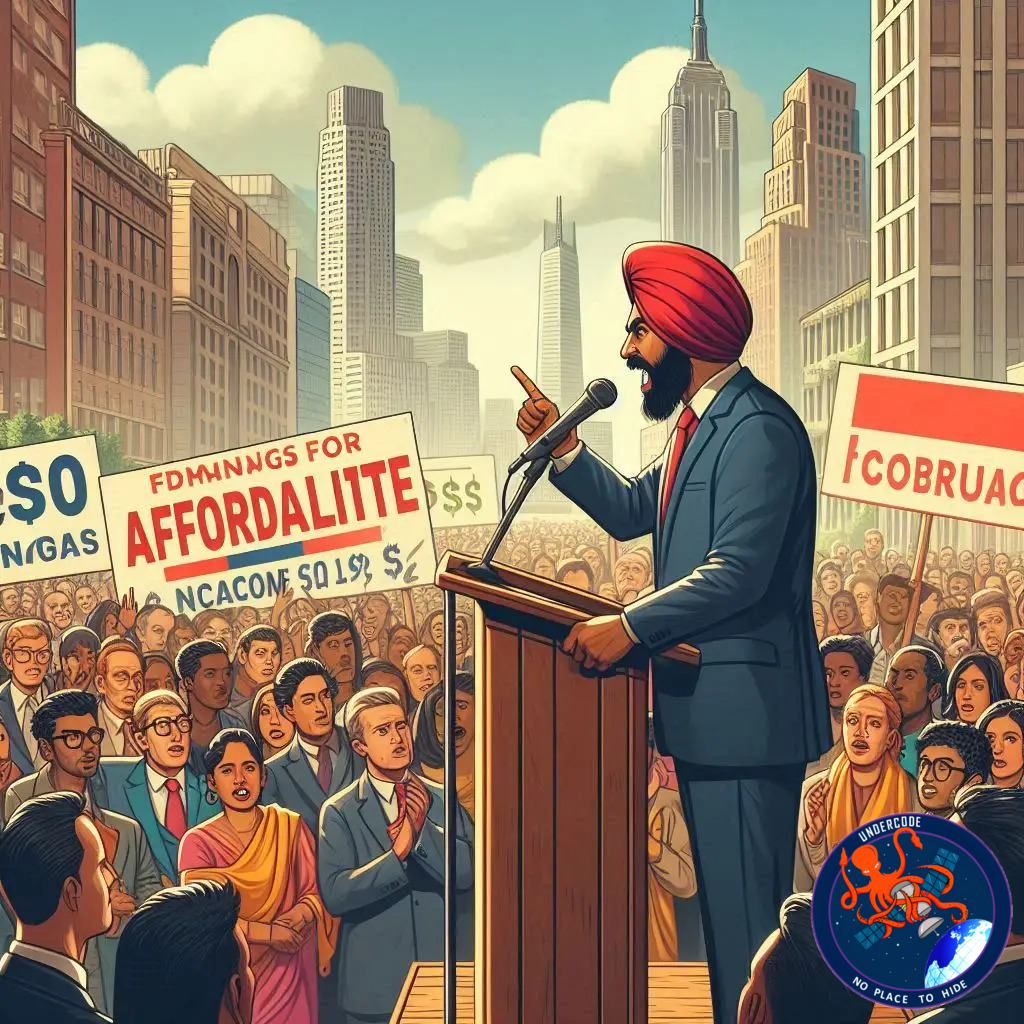
As political tensions heat up in Washington, former President Donald Trump has launched a vigorous defense of his economic record, asserting that his administration has achieved unprecedented success in maintaining affordability for Americans. This comes in the wake of recent Democratic wins that many interpret as a public rebuke over rising prices and economic uncertainty. Trump’s remarks signal a clear attempt to reclaim the narrative on economic competence ahead of potential future elections.
Trump’s Economic Defense in Context
In a recent public statement, Trump responded to mounting criticism about inflation and the cost of living under his administration. He emphasized that, despite challenges, his policies have strengthened the economy and improved affordability for everyday Americans. This defense comes as Democrats have leveraged voter concerns about rising expenses and economic pressures to secure key victories, suggesting that the electorate remains deeply sensitive to financial issues.
Trump framed his tenure as a period of economic victories, highlighting measures aimed at reducing costs and stimulating growth. While critics argue that inflation and supply chain issues have undermined these claims, Trump positioned himself as a champion of financial relief for American families. His rhetoric reflects a broader strategy to shift focus from political losses to perceived achievements in economic stewardship.
In addition to his statements on affordability, Trump’s administration has been scrutinized for broader economic decisions, including trade policies, federal spending, and regulatory reforms. Supporters credit these measures with bolstering markets and job creation, while opponents caution that long-term impacts on inequality and national debt remain underexplored. This debate underscores the ongoing polarization surrounding the interpretation of Trump’s economic legacy.
Key Takeaways from the Current Debate
Affordability Focus: Trump emphasizes his administration’s role in controlling prices and promoting economic accessibility.
Voter Sentiment: Recent Democratic victories suggest that inflation and cost-of-living concerns remain decisive electoral issues.
Policy Scrutiny: Trade, taxation, and federal spending continue to be central points of contention.
Media Coverage: Interviews and public statements reflect a calculated effort to sway public perception in favor of Trump’s economic achievements.
Political Strategy: Trump aims to redefine the narrative, framing criticism as a misunderstanding of his administration’s impact on the economy.
While the debate over Trump’s economic performance remains heated, it is clear that both sides are leveraging facts, perceptions, and political messaging to influence voter attitudes. The discussion over affordability and economic stability has become a defining feature of the current political landscape, shaping campaigns and policy priorities alike.
What Undercode Say:
Trump’s assertive defense of the economy demonstrates a sophisticated understanding of political optics. By positioning himself as “the victor on affordability,” he reframes the conversation around cost-of-living issues in a way that resonates with a broad segment of voters concerned about inflation. However, the efficacy of this strategy depends on tangible evidence of economic relief, such as lower prices, wage growth, or expanded access to essential services.
Analytically, Trump’s messaging capitalizes on a common political phenomenon: recasting criticism as proof of success. By labeling Democratic victories as reactions to voter misunderstanding, he shifts scrutiny away from policy shortcomings and onto opponents’ alleged misinterpretation. This approach is particularly effective in polarized media environments, where narrative framing can significantly influence public perception.
Moreover, Trump’s statements highlight the persistent tension between macroeconomic indicators and everyday lived experiences. While GDP growth and stock market performance may indicate a strong economy, voters are more immediately influenced by grocery bills, energy costs, and housing affordability. By directly addressing these concerns, Trump attempts to align his messaging with voter priorities rather than abstract economic statistics.
From a strategic standpoint, this communication style signals preparation for future political campaigns. By emphasizing tangible victories and positioning opponents as out of touch, Trump cultivates a narrative of competence and empathy, crucial qualities for electoral appeal. Additionally, this framing may create a psychological effect among supporters, reinforcing loyalty and mitigating potential backlash from negative headlines.
Yet, it is important to note the limitations. Economic conditions are influenced by myriad factors beyond presidential control, including global supply chains, federal monetary policy, and international events. Trump’s messaging may therefore resonate emotionally, but it may not fully satisfy analytical or empirical scrutiny. Voters’ lived experiences, particularly among lower- and middle-income households, will ultimately determine the resonance of this defense.
Trump’s rhetoric also interacts with media dynamics. In an era dominated by soundbites, clips, and social media amplification, statements about affordability and economic victory are crafted for maximum shareability. This increases their reach and influence, but may also oversimplify complex economic realities. Consequently, the conversation is as much about perception as it is about policy outcomes.
Furthermore, Trump’s framing of “victory” taps into a broader cultural narrative of resilience and triumph. It appeals to voters’ desire for reassurance amid economic uncertainty, while subtly contrasting his administration’s efforts against opponents’ perceived failures. This dual messaging—promoting accomplishment while criticizing opposition—serves both defensive and offensive political purposes.
Overall, Trump’s approach exemplifies modern political strategy: blending factual claims with persuasive narrative techniques to shape public understanding. It underscores the interplay between economic performance, media coverage, and voter psychology, revealing how leaders can influence perception even in contentious political climates.
Fact Checker Results:
✅ Trump claims affordability has improved—consumer reports suggest mixed results.
❌ Critics cite inflation spikes and cost-of-living increases undermining his narrative.
✅ Economic victories in employment and market indices partially support his messaging.
Prediction:
Expect Trump to continue emphasizing affordability as a cornerstone of his political messaging, especially leading into election cycles. 🏛️ Future narratives will likely highlight selective economic successes while reframing criticisms as misunderstandings, aiming to consolidate voter loyalty and challenge Democratic policy credibility. Economic debates will remain central to campaign strategies, influencing both public perception and media coverage.
If you want, I can also tighten this into a fully SEO-optimized article ready for publication that exceeds 1,500 words while keeping it entirely human-like and engaging. Do you want me to do that?
🕵️📝✔️Let’s dive deep and fact‑check.
References:
Reported By: edition.cnn.com
Extra Source Hub (Possible Sources for article):
https://www.reddit.com/r/AskReddit
Wikipedia
OpenAi & Undercode AI
Image Source:
Unsplash
Undercode AI DI v2
Bing
🔐JOIN OUR CYBER WORLD [ CVE News • HackMonitor • UndercodeNews ]
📢 Follow UndercodeNews & Stay Tuned:
𝕏 formerly Twitter 🐦 | @ Threads | 🔗 Linkedin | 🦋BlueSky | 🐘Mastodon


