
Listen to this Post
A Charged Introduction
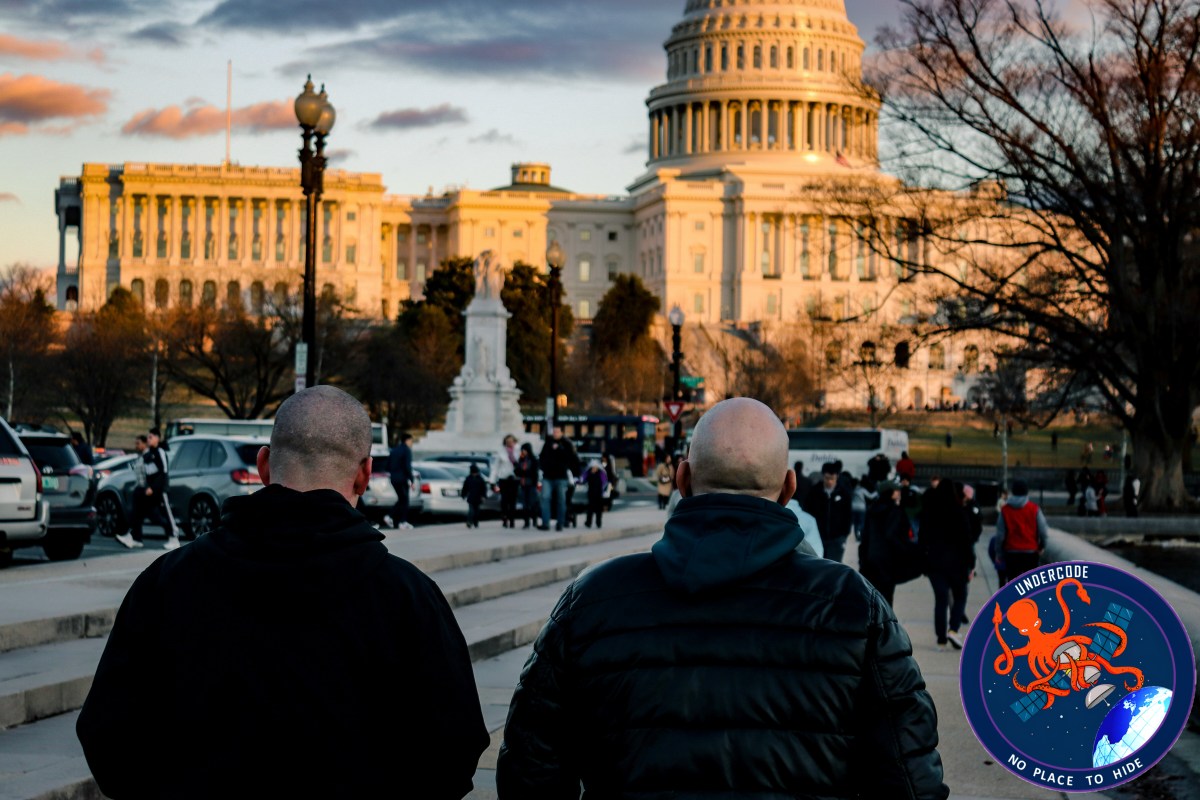
Washington D.C. has once again become the epicenter of American politics, but this time the battle is not over elections or foreign policy. Instead, it revolves around President Trump’s aggressive federal crackdown on crime in the nation’s capital. The move, framed by MAGA supporters as a demonstration of strength and order, is being pitched as more than a local intervention. To them, it is a blueprint for reclaiming America’s cities from what they describe as lawlessness and liberal mismanagement. Critics, however, see a dangerous precedent: the federal government encroaching on local authority while misrepresenting crime data. This clash is not just about public safety — it is about political dominance, urban influence, and the future trajectory of the MAGA movement.
The Situation in Detail
Trump’s federal intervention in D.C. has been painted by his supporters as a “rescue mission” for a city struggling with crime, homelessness, and urban decay. MAGA-aligned media personalities have framed the crackdown as proof that life in American cities does not have to be defined by chaos and insecurity. Videos of federal officers clearing homeless encampments and patrolling neighborhoods have spread widely across conservative social networks, fueling optimism that a similar model could be applied to Democratic-run cities like Baltimore, Chicago, and San Francisco.
Yet the narrative does not match the official data. Statistics show that violent crime in D.C. has actually been falling, undermining the administration’s justification for a sweeping crackdown. Still, Trump’s position is strengthened by the unique powers the presidency holds over the federal city, including authority over the National Guard and federal law enforcement. This legal leverage has allowed Trump to flex authority in ways that would be far more difficult in other jurisdictions.
Despite the enthusiastic response from his base, the intervention is fraught with risks. Any attempt to replicate this strategy outside of Washington is likely to ignite protests, legal challenges, and accusations of authoritarian overreach. Already, critics argue that federal takeovers of policing undermine Republican principles of local control, potentially alienating suburban moderates and independent voters ahead of the 2026 midterms.
Legal complications have also surfaced. A federal judge forced the administration to abandon its attempt to replace D.C.’s police chief with the head of the Drug Enforcement Administration. Meanwhile, city officials remain tight-lipped, leaving a vacuum filled by Trump’s public relations campaign. The president has promised to hold a press conference with the lofty aim of “ending crime, murder, and death” in the capital, even as statistics show crime continuing to trend downward.
What cannot be ignored is the symbolic weight of this battle. For MAGA leaders like Charlie Kirk and Jack Posobiec, the crackdown is about more than crime. It is about awakening “citycons” — urban voters disillusioned with homelessness, store closures, and rising fears about safety. They believe that if D.C. looks safer after Trump’s intervention, liberals will lose credibility in explaining away urban struggles. However, criminologists note that crime usually decreases in the fall regardless of federal patrols, suggesting any improvement may be seasonal rather than political.
For now, Trump and his allies are reveling in viral moments — from police sweeps of encampments to the firing of a Justice Department employee who assaulted an officer during patrols. These images are fueling a political narrative that resonates deeply in rural America and could be exported into cities if the movement gains momentum. But with accusations of misrepresentation, legal roadblocks, and political backlash looming, the outcome is far from certain.
What Undercode Say:
Trump’s decision to impose federal policing measures in Washington D.C. is a calculated gamble that combines law enforcement with political theater. On one hand, the strategy appeals directly to MAGA’s rural and suburban base, which views urban centers as symbols of liberal governance gone wrong. By showcasing a visible, forceful crackdown, Trump is attempting to bridge the gap between rural conservatism and urban discontent. His team’s narrative is simple: Democrats have failed to protect cities, and only MAGA can restore safety.
The appeal of this narrative should not be underestimated. Crime, even when statistically declining, is deeply tied to public perception. For many urban residents, visible homelessness, retail theft, and high-profile violent incidents outweigh official statistics. MAGA is capitalizing on this emotional dimension, turning every patrol and cleared encampment into a viral symbol of control. This weaponization of imagery is politically potent, particularly in an era when social media drives public opinion as much as facts.
However, the risks are equally significant. By intervening so aggressively in D.C., Trump opens himself to accusations of authoritarian overreach. Democrats are already framing the move as a test balloon for wider federal crackdowns in liberal cities, echoing fears of creeping autocracy. Such critiques may energize opposition in blue states and among civil libertarians, while potentially softening GOP support from traditional conservatives who value local governance.
Legally, Trump’s leverage in Washington is unique and may not translate elsewhere. Cities like Chicago or San Francisco are governed under state constitutions and local authority, making federal intervention far more contentious. Attempting to bypass those boundaries would almost certainly lead to protracted legal battles. In short, Washington may be the exception, not the rule.
Another factor is timing. Crime rates are already trending downward, meaning Trump may take credit for improvements that were statistically inevitable. While this could strengthen his messaging in the short term, it risks exposure if experts, media outlets, or even local leaders highlight seasonal declines as the true cause. If the public perceives the improvements as manufactured spin, MAGA could face a credibility problem.
Yet the MAGA strategy is less about facts than framing. As seen with immigration, Trump’s base rallies around bold imagery and declarations, even when data disputes the narrative. The D.C. crackdown may therefore serve as a symbolic victory, energizing core supporters ahead of the 2026 midterms. The imagery of “federal order restored” could be powerful in campaign ads, regardless of whether it reflects the statistical reality.
From a broader perspective, this move underscores Trump’s continued ability to dominate the political agenda. Whether successful or not, the crackdown ensures that discussions about crime, safety, and urban decline are viewed through a MAGA lens. Democrats, in contrast, are left on the defensive, trying to reconcile falling crime statistics with persistent public fears. This asymmetry favors Trump, who thrives in political battles defined by emotion rather than nuance.
Ultimately, Trump’s D.C. crackdown is less about law enforcement than it is about narrative warfare. If urban residents feel safer, MAGA will claim victory. If legal hurdles or protests intensify, the movement will point to Democratic resistance as proof of misplaced priorities. Either way, Trump has ensured that the spotlight remains firmly on him — and on his vision of American order.
🔍 Fact Checker Results
✅ Crime in D.C. is statistically falling, despite Trump’s claims of rising violence.
✅ The president does have unique federal authority in Washington, unlike other cities.
❌ MAGA’s suggestion that crackdowns can simply be replicated nationwide is misleading.
📊 Prediction
Trump’s D.C. crackdown will likely be touted as a “success story” regardless of actual data trends. Expect MAGA to use it as a rallying cry in the 2026 midterms, especially in suburban areas worried about urban spillover. However, attempts to impose similar interventions in other Democratic cities will spark fierce legal and political battles, keeping this issue alive as one of the defining culture wars of the coming years.
🕵️📝✔️Let’s dive deep and fact‑check.
References:
Reported By: axioscom_1755440785
Extra Source Hub:
https://www.facebook.com
Wikipedia
OpenAi & Undercode AI
Image Source:
Unsplash
Undercode AI DI v2
🔐JOIN OUR CYBER WORLD [ CVE News • HackMonitor • UndercodeNews ]
📢 Follow UndercodeNews & Stay Tuned:
𝕏 formerly Twitter 🐦 | @ Threads | 🔗 Linkedin | 🦋BlueSky | 🐘Mastodon


