
Listen to this Post
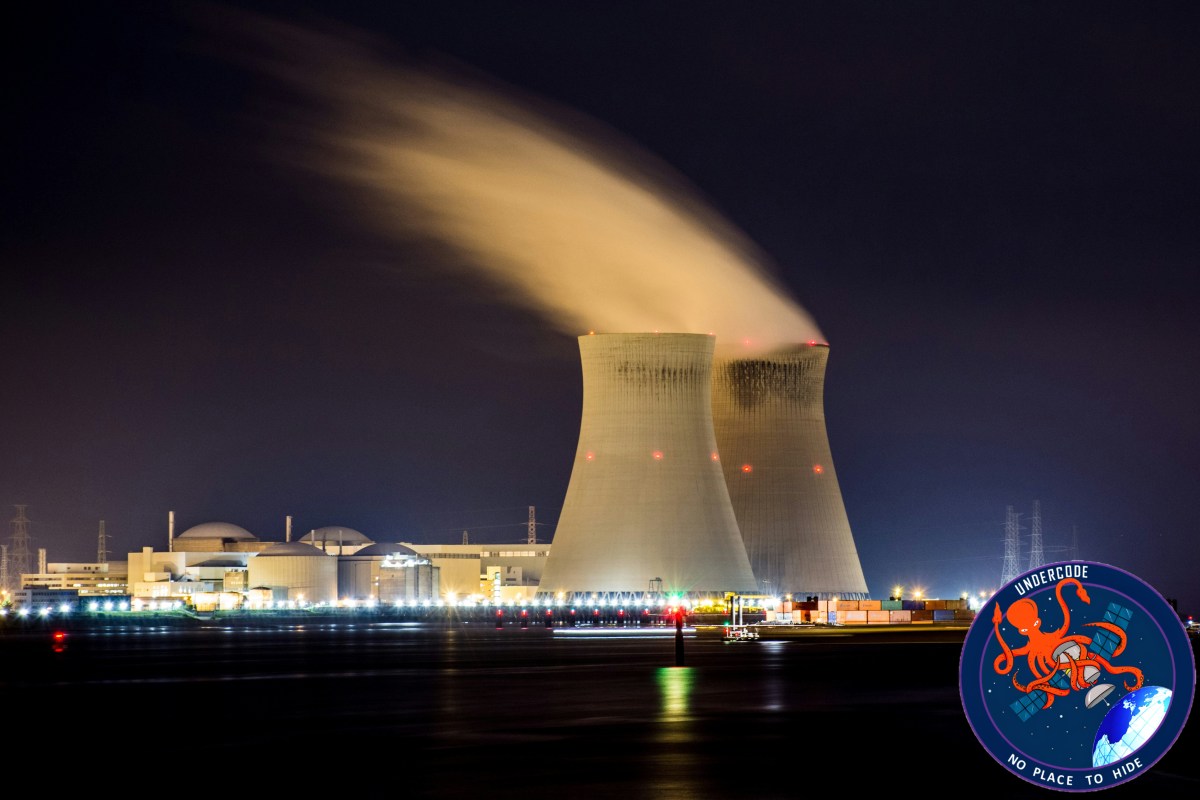
In a surprising turn during his speech at the World Economic Forum in Davos, former President Donald Trump expressed strong support for nuclear energy — a position he admits he did not previously favor. Speaking in front of global leaders, Trump highlighted what he described as remarkable progress in nuclear technology, particularly improvements in safety and affordability. This shift comes at a time when interest in nuclear power is surging worldwide, driven in part by the rapid growth of artificial intelligence and the increasing need for reliable, low-carbon energy sources.
Trump’s Nuclear Revelation
Trump began his remarks on energy by noting, “We’re going heavy into nuclear. I was not a big fan because I didn’t like the risk, the danger, but the progress they’ve made is unbelievable, and the safety progress they’ve made is incredible.” His acknowledgment signals a major pivot from previous skepticism toward nuclear power. He emphasized the technology’s potential for providing energy at competitive prices while maintaining high safety standards.
Beyond nuclear, Trump also addressed broader energy topics, though not without controversy. He repeated several talking points he has made in other public appearances, including claims about China’s wind energy sector. Trump stated that China “makes almost all the windmills, and yet I haven’t been able to find any wind farms in China,” a statement that is factually inaccurate. In reality, China leads the world in wind energy, hosting the largest installed capacity globally and accounting for roughly 70% of new wind capacity added in 2024.
Trump’s hour-plus speech also touched on other energy-related issues, but the nuclear remarks stood out as a notable shift, suggesting an openness to modern energy solutions that were previously dismissed.
What Undercode Say:
Trump’s remarks reflect more than a simple change of heart; they mirror a global trend toward re-evaluating nuclear power as a strategic energy resource. Several key points emerge from this development:
Global Energy Context: The world is increasingly turning to nuclear energy to meet growing electricity demand while minimizing carbon emissions. Advanced reactors and small modular reactors (SMRs) promise enhanced safety and efficiency, making nuclear an attractive complement to renewable sources.
AI-Driven Energy Innovation: The AI boom is indirectly accelerating interest in nuclear. Data centers and AI-intensive industries demand consistent, high-density power, which intermittent renewables alone cannot guarantee. Nuclear energy can provide the reliability these sectors need.
Political Significance: A high-profile endorsement from a former U.S. president could influence policymakers, investors, and the public. It signals potential bipartisan support for nuclear development, particularly in the context of U.S. energy independence.
Economic Implications: Affordable, safe nuclear power could stabilize energy prices and reduce reliance on fossil fuels. Trump’s emphasis on cost-effectiveness hints at a broader conversation about energy security and economic competitiveness.
Challenges Ahead: Despite enthusiasm, nuclear power faces hurdles including high upfront costs, regulatory delays, and public perception issues. Political advocacy alone will not resolve these, but it can accelerate investment and research initiatives.
Contradictions and Misstatements: Trump’s inaccurate statements about China’s wind energy illustrate a broader pattern: energy discussions often mix fact with rhetoric. While nuclear support is notable, it will require scrutiny and clear policy direction to be impactful.
Potential for Public Debate: By highlighting safety progress, Trump taps into public concerns over nuclear disasters, which have historically slowed adoption. His framing could help normalize nuclear energy in the political and social discourse.
Strategic Energy Policy: Nuclear is emerging as a strategic asset in geopolitical terms. With AI, high-tech industries, and climate targets converging, nations investing in nuclear are positioning themselves for energy dominance in the decades to come.
Investment Signals: Investors may interpret Trump’s endorsement as a cue to increase funding in nuclear startups, SMRs, and related technologies. This could spark innovation in next-generation reactors and safer fuel cycles.
Long-Term Outlook: If the U.S. aligns policy with technological advances in nuclear, the country could regain leadership in global energy markets — combining clean power with national security and economic growth objectives.
In short, Trump’s Davos remarks could mark the beginning of renewed mainstream discourse around nuclear energy in the U.S., intersecting technology, economics, and geopolitics. While some statements were misleading, the core acknowledgment of nuclear’s evolving role is significant.
Fact Checker Results:
✅ Nuclear Safety Progress: True — modern nuclear technologies, especially SMRs, have improved safety systems significantly.
❌ China Wind Energy Claim: False — China is the global leader in wind energy, both in installed capacity and new projects.
✅ Energy Affordability Statement: Partially True — advanced nuclear can be cost-competitive, though upfront infrastructure costs remain high.
Prediction:
⚡ Expect nuclear energy to gain more political and media attention in the U.S., particularly from conservative circles previously skeptical of the technology.
🌍 Global adoption of SMRs and next-generation reactors may accelerate, driven by AI-driven industrial demand and climate commitments.
💹 Investments in nuclear innovation and infrastructure could surge, while misinformation about renewable energy will likely continue in political narratives.
If you want, I can also create a visual timeline showing Trump’s energy positions over the years alongside global nuclear developments—it would make this article even more engaging. Do you want me to do that?
🕵️📝✔️Let’s dive deep and fact‑check.
References:
Reported By: axioscom_1769010238
Extra Source Hub (Possible Sources for article):
https://www.discord.com
Wikipedia
OpenAi & Undercode AI
Image Source:
Unsplash
Undercode AI DI v2
Bing
🔐JOIN OUR CYBER WORLD [ CVE News • HackMonitor • UndercodeNews ]
📢 Follow UndercodeNews & Stay Tuned:
𝕏 formerly Twitter 🐦 | @ Threads | 🔗 Linkedin | 🦋BlueSky | 🐘Mastodon


