
Listen to this Post
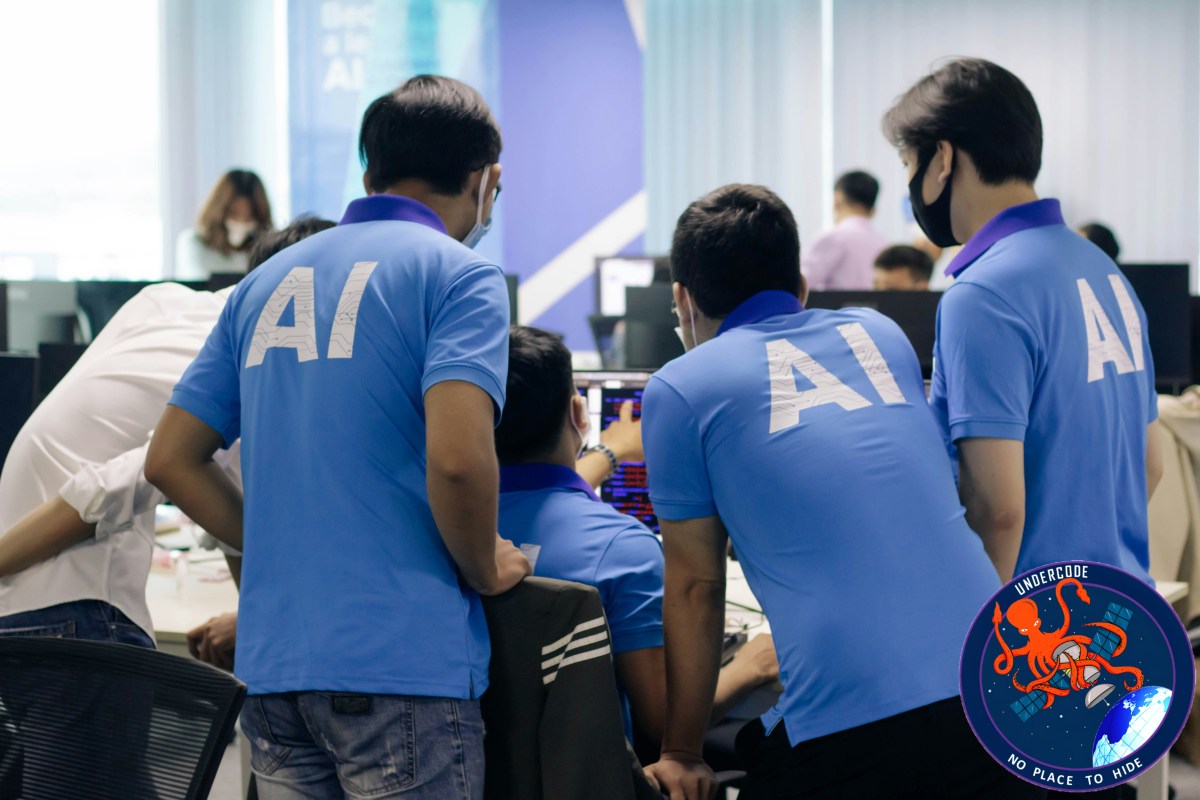
The New Power Equation at TiEcon Delhi 2025
At TiEcon Delhi 2025, a striking vision of India’s future took center stage. BJP MP Bansuri Swaraj captured the audience’s imagination with a simple yet profound declaration: “India today is powered by two AIs — Artificial Intelligence and the Aspirational Indian.” Her words resonated across the deeptech summit, blending technology, ambition, and empowerment into a single narrative that reflects the pulse of a rapidly evolving nation.
Swaraj emphasized that India’s growth story isn’t just about algorithms or automation, but about people — particularly women — stepping into leadership roles in technology and innovation. Under Prime Minister Narendra Modi’s Digital India mission, technology has become a tool not just for economic progress but for public good, opening doors for inclusion and equitable opportunity.
The event, attended by over 2,000 delegates, showcased India’s thriving startup ecosystem and its commitment to diversity-driven innovation. From unveiling the “Wired for Impact: Women in AI” report by Kalaari Capital to highlighting women’s growing footprint in the tech industry, TiEcon Delhi 2025 served as both a mirror and a catalyst for change.
The Deeptech Decade and Women’s Rise in AI
Swaraj’s address wasn’t just motivational; it was a call to action. She warned that if women are left out of the technological revolution, India risks “artificial ignorance” instead of true artificial intelligence. Her message underscored a powerful truth — that diversity isn’t a luxury in tech, it’s a necessity.
According to the Wired for Impact report, women currently make up one in five professionals in India’s technology sector. But by 2027, this figure is projected to nearly quadruple, with over 3.3 lakh women expected to hold AI-related roles. In fact, 41% of women in technology are already choosing AI/ML as their preferred career path, surpassing male participation rates at 37%.
This transformation represents more than numbers; it signals a shift in mindset. Women are no longer passive participants but architects of India’s digital future, creating technologies that are inclusive, empathetic, and globally competitive.
TiEcon Delhi 2025: The Nexus of Policy, Innovation, and Vision
The summit brought together a unique coalition of policymakers, investors, founders, and technologists, all committed to shaping India’s innovation economy. Geetika Dayal, Director General of TiE Delhi-NCR, highlighted how corporate leaders and government officials converged to nurture startup culture and back groundbreaking ideas.
Startup pitching sessions revealed India’s next generation of disruptors — ventures leveraging AI, data, and sustainability to address local and global challenges. The enthusiasm from investors reinforced a common belief: India’s deeptech future is not coming, it’s already here.
The Diversity Dilemma in AI
At the heart of this conversation lies a critical concern — representation in AI development. Vani Kola, Managing Director of Kalaari Capital, offered a sobering insight: “Innovation reaches its full potential only when it reflects the diversity of those it serves.”
She cautioned that when AI systems are trained on narrow worldviews or biased data, they risk perpetuating inequalities rather than resolving them. True intelligence, she argued, requires the full spectrum of human experience — gender diversity, social awareness, and ethical consciousness.
Experts at the conference echoed her sentiment, asserting that if India aims to build trustworthy AI for global adoption, diversity must be treated as a mission-critical KPI.
What Undercode Say:
India’s dual force — Artificial Intelligence and the Aspirational Indian — forms one of the most compelling national narratives of the decade. What makes this convergence particularly powerful is its human foundation. Unlike Western AI ecosystems dominated by corporate monopolies, India’s model integrates social equity with technological ambition.
The “two AIs” concept proposed by Bansuri Swaraj is more than rhetoric. It reflects a strategic identity shift, positioning India not just as a tech adopter but as a tech creator guided by values of inclusion and aspiration.
From an analytical standpoint, India’s advantage lies in scale and spirit. With a population deeply invested in upward mobility and a government-driven push for digital empowerment, the country has both the data density and human energy needed to fuel next-gen AI systems.
However, this progress hinges on bridging two key gaps: skill parity and ethical governance. The rise of women in AI marks an encouraging step, but systemic challenges — access to advanced education, mentorship, and equitable pay — must be addressed to sustain the momentum.
Moreover, India’s ambition to lead in AI innovation must also contend with global competition and domestic regulation. Balancing innovation freedom with data privacy, intellectual property, and algorithmic fairness will define India’s credibility in the global AI arena.
Economically, the numbers speak for themselves. By 2027, if women indeed occupy 3.3 lakh AI jobs, India could become the largest gender-diverse AI workforce in the world. This could potentially add billions to the GDP, not just through direct employment but by enhancing innovation quality across sectors like healthcare, agriculture, and education.
Socially, the symbolic impact is equally profound. Women emerging as AI leaders challenges long-held stereotypes about technology being a male domain. It shifts AI from being a “cold, coded” field to one infused with empathy, creativity, and cultural nuance — elements that define the Indian ethos.
In essence, the TiEcon Delhi 2025 narrative isn’t just about machines or markets. It’s about how India’s collective aspiration is reshaping the world’s understanding of intelligence — both artificial and human.
🔍 Fact Checker Results
✅ Bansuri Swaraj did speak at TiEcon Delhi 2025 and highlighted “two AIs.”
✅ The “Wired for Impact: Women in AI” report was launched by Kalaari Capital.
✅ The projection of 3.3 lakh women in AI roles by 2027 is sourced from the report.
📊 Prediction
🚀 India’s AI sector will experience exponential growth through gender inclusion, turning diversity into a global competitive edge.
💡 Women-led AI startups will redefine ethical and creative technology practices across Asia.
🌍 By 2030, India may emerge as the world’s most inclusive AI powerhouse, merging innovation with human values.
🕵️📝✔️Let’s dive deep and fact‑check.
References:
Reported By: zeenews.india.com
Extra Source Hub (Possible Sources for article):
https://www.reddit.com/r/AskReddit
Wikipedia
OpenAi & Undercode AI
Image Source:
Unsplash
Undercode AI DI v2
Bing
🔐JOIN OUR CYBER WORLD [ CVE News • HackMonitor • UndercodeNews ]
📢 Follow UndercodeNews & Stay Tuned:
𝕏 formerly Twitter 🐦 | @ Threads | 🔗 Linkedin | 🦋BlueSky | 🐘Mastodon


