
Listen to this Post
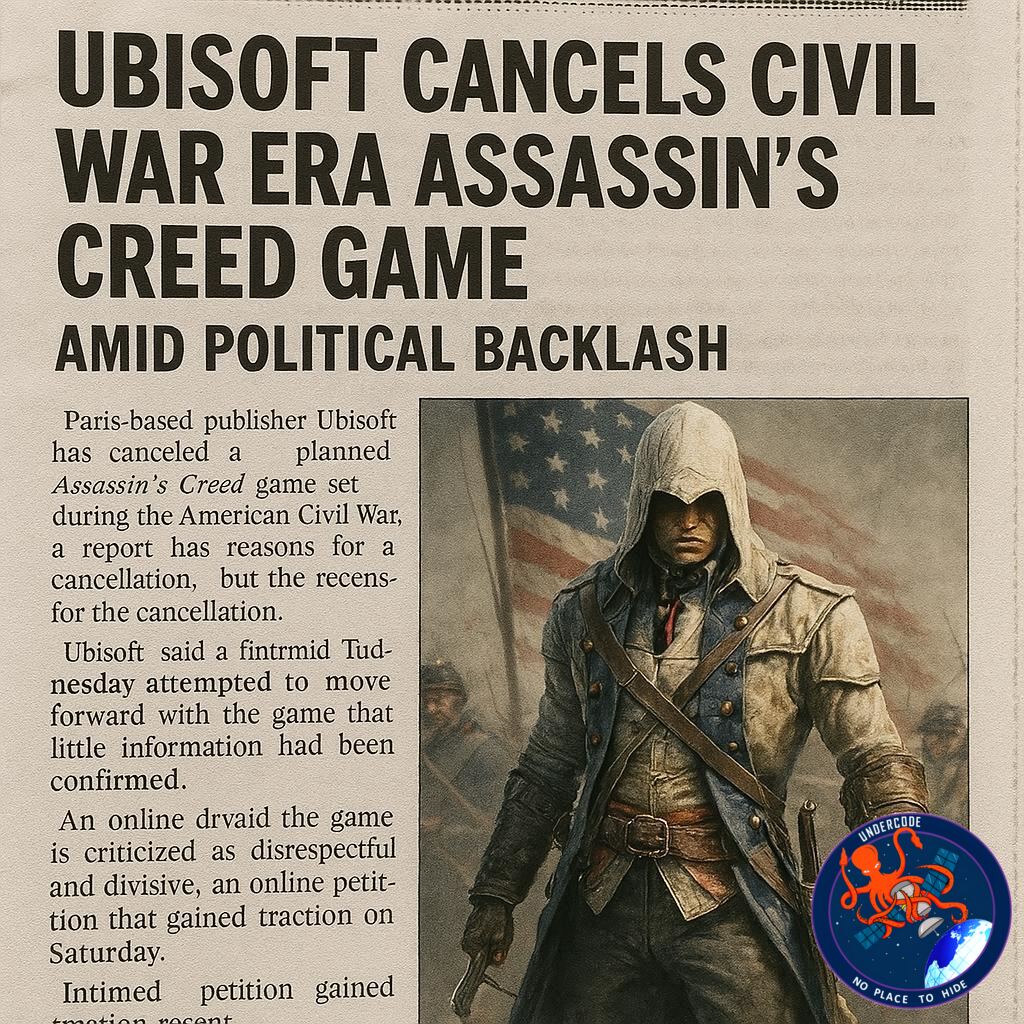
A Vision That Never Saw the Light
Ubisoft reportedly canceled one of its most ambitious Assassin’s Creed projects—a game set during the U.S. Civil War and Reconstruction era—due to fears of political backlash in today’s divided climate. According to Game File, the title was in early concept development and would have centered on a formerly enslaved Black protagonist who joins the Assassin Brotherhood. The story was set to confront the Ku Klux Klan in the post-war American South, diving deep into subjects like racial violence, the struggle for citizenship rights, and the reintegration of Confederate states into the Union.
Ubisoft insiders revealed that the project initially received a green light but was later shelved over concerns about how the depiction of white supremacist groups could be received in the current political environment. One source described the decision as a reaction to America’s “too unstable” state, reflecting the fear that the game’s narrative might ignite controversy.
Interestingly, the controversy follows the ongoing debates around Assassin’s Creed Shadows, which features Yasuke, a Black samurai based on a real historical figure. Despite being historically accurate, the inclusion of Yasuke sparked backlash from some corners of the gaming community, proving how volatile discussions around race and representation in games can be.
While Ubisoft hasn’t issued an official statement, developers involved reportedly expressed disappointment. For many, it was a missed opportunity to tell a story with emotional and historical significance. One anonymous developer said, “We had a chance to tell a story that mattered.”
This cancellation raises pressing questions: Should video games shy away from difficult historical subjects, or should they embrace them as part of their evolution as a storytelling medium? Ubisoft’s decision, whether pragmatic or cowardly, highlights how sensitive major studios have become to political optics in an era where every creative choice is scrutinized online.
What Undercode Say:
The Silence of Courage in Gaming
Ubisoft’s decision to pull the plug on a project with such depth and relevance feels symbolic of a larger industry trend—fear of backlash overpowering creative boldness. The gaming industry has grown into one of the most influential storytelling mediums, yet it often avoids stories that challenge societal norms or reflect uncomfortable truths.
The Lost Potential of Historical Storytelling
A Civil War-era Assassin’s Creed featuring a formerly enslaved protagonist could have offered a groundbreaking narrative. The franchise has always balanced fiction with history, but this installment had the potential to bring real emotional gravity to a time period often avoided in mainstream entertainment. Players would have walked through the ashes of war, seen the broken South rebuilding, and confronted one of the darkest chapters in American history—not from a detached perspective, but through the eyes of someone who lived it.
Fear and the Modern Gaming Climate
Ubisoft’s hesitation highlights the growing anxiety among developers in today’s culture wars. When companies fear political reaction more than they value authentic storytelling, creativity becomes collateral damage. This isn’t just about one game—it’s about the broader state of artistic expression in gaming. Studios are increasingly caught between representation and risk, where every narrative choice can trigger polarized reactions online.
The Weight of Historical Responsibility
Assassin’s Creed has often reimagined history—from Renaissance Italy to Ancient Egypt—but rarely has it touched America’s own internal conflicts. By tackling the Reconstruction era, Ubisoft could have explored questions of freedom, justice, and identity in ways that connect deeply with modern issues. Instead, by retreating, the studio missed the chance to push gaming into more mature, reflective territory.
The Yasuke Controversy and Its Ripple Effect
The recent backlash over Yasuke in Assassin’s Creed Shadows likely influenced Ubisoft’s caution. Despite Yasuke’s real historical existence, some fans complained about “historical inaccuracy,” exposing how racial representation in games remains controversial. The reaction revealed an uncomfortable truth—many players still resist diverse protagonists when they challenge preconceived narratives. Ubisoft’s internal decision may reflect this growing pressure from vocal minorities online.
Art Versus Safety
There’s an ongoing struggle between creative authenticity and corporate risk management. The safest route often wins, especially for billion-dollar studios that rely on global sales. But history has shown that the most impactful art often emerges from discomfort. Games like Spec Ops: The Line or This War of Mine proved that confronting human suffering and moral ambiguity can lead to unforgettable storytelling. Ubisoft’s canceled project could have stood among those few brave titles.
What the Cancellation Really Means
The silence around this game says more than the game itself ever could. It reflects how entertainment companies gauge “acceptable controversy” before a story even reaches audiences. Ubisoft didn’t just cancel a title; it symbolically abandoned a conversation about power, race, and redemption that gaming sorely needs.
Could Independent Studios Fill the Gap?
As AAA developers shy away from risk, indie studios continue to explore topics that big publishers avoid—systemic injustice, racial trauma, and identity politics. If Ubisoft won’t make this story, perhaps someone else will. The hunger for authentic, emotionally charged narratives is stronger than ever, and smaller developers have proven that audiences want substance when it’s delivered with care.
The Future of Assassin’s Creed and Storytelling Depth
Ubisoft’s strength has always been in blending action with history, but it risks diluting its brand by avoiding meaningful themes. Players crave more than missions and collectibles—they crave connection, reflection, and truth. The Civil War-era Assassin’s Creed could have been the emotional high point of the franchise, offering a lens through which players confront the cost of freedom and the complexity of identity.
Final Thought: The Game That Could Have Changed Everything
Ubisoft may have lost more than just a potential hit; it may have lost a defining cultural moment. In choosing comfort over courage, the company reminds us that sometimes the most powerful stories are the ones we never get to experience.
Fact Checker Results
✅ Ubisoft’s project cancellation was first reported by Game File and corroborated by insider sources.
❌ Ubisoft has not officially confirmed or denied the cancellation publicly.
✅ The reported protagonist concept and Reconstruction-era setting align with verified leaks.
Prediction
🎮 Ubisoft will likely avoid politically charged narratives in the near term, focusing on commercially safe settings.
📜 However, pressure from fans and developers may eventually push the studio to revisit socially conscious storytelling.
🔥 Expect future Assassin’s Creed titles to explore deeper moral themes subtly, without overt political confrontation.
🕵️📝✔️Let’s dive deep and fact‑check.
References:
Reported By: timesofindia.indiatimes.com
Extra Source Hub:
https://www.stackexchange.com
Wikipedia
OpenAi & Undercode AI
Image Source:
Unsplash
Undercode AI DI v2
🔐JOIN OUR CYBER WORLD [ CVE News • HackMonitor • UndercodeNews ]
📢 Follow UndercodeNews & Stay Tuned:
𝕏 formerly Twitter 🐦 | @ Threads | 🔗 Linkedin | 🦋BlueSky | 🐘Mastodon


