
Listen to this Post
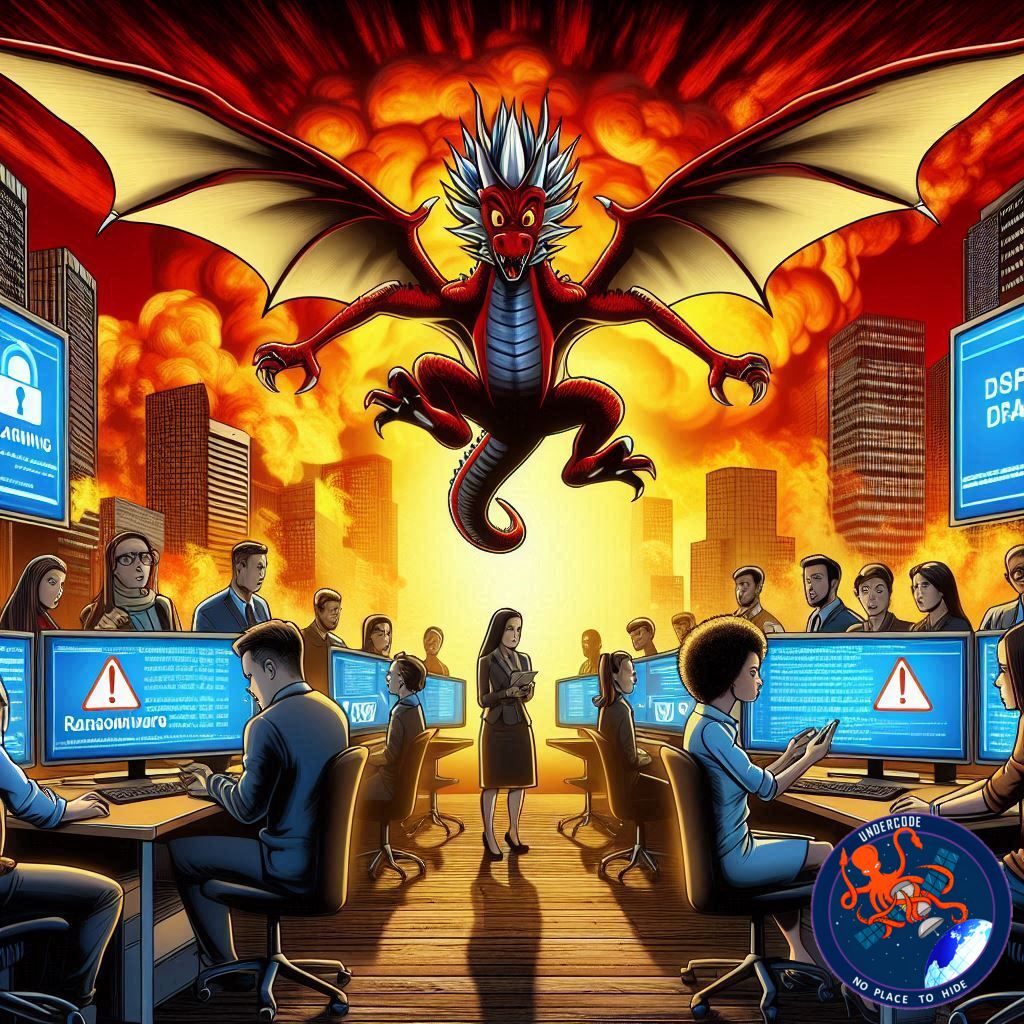
The UBS office in Switzerland has reportedly fallen victim to a ransomware attack carried out by the DragonForce group, according to cybersecurity reports. The breach is said to specifically target document management and print systems, raising serious concerns about the safety of sensitive financial data and operational continuity. As global financial institutions increasingly digitize their workflows, attacks like these underscore the urgent need for robust cybersecurity measures to protect both client information and internal operations.
Ransomware Disruption Hits UBS Operations
The DragonForce ransomware attack on UBS Switzerland reportedly focused on disrupting document management and printing infrastructure. While no evidence has yet surfaced regarding exfiltration of client data, the potential for operational chaos is significant. UBS offices rely heavily on centralized systems to manage sensitive documents, internal communications, and printing of official materials, meaning even temporary downtime could slow critical workflows and compromise compliance with financial regulations.
Initial reports suggest that the ransomware may spread through phishing emails, network vulnerabilities, or compromised third-party software—a common modus operandi for modern ransomware groups. The attack demonstrates the rising sophistication of cybercriminal organizations that can selectively target infrastructure components without immediately drawing public attention.
UBS, one of the world’s largest banking institutions, has not yet disclosed the scale of the disruption or whether backups were affected. IT teams are likely scrambling to isolate affected systems, restore critical services, and investigate potential vulnerabilities exploited by DragonForce.
Financial institutions, by nature, are high-value targets for ransomware groups. Cybercriminals often demand multi-million-dollar ransoms, knowing that even temporary system shutdowns can cost banks heavily in operational loss and reputational damage. Switzerland, with its reputation as a secure banking hub, is particularly sensitive to attacks that may undermine client trust or regulatory compliance.
The attack also highlights the persistent risk of ransomware groups exploiting gaps in cybersecurity awareness, patch management, and network segmentation. UBS’s document management and printing systems, often considered peripheral IT infrastructure, have emerged as vulnerable points. Cybersecurity strategies now increasingly emphasize not just protecting core banking systems, but also these auxiliary digital services, which, if compromised, can severely disrupt day-to-day operations.
This incident serves as a reminder that even institutions with significant cybersecurity budgets are not immune to sophisticated cyber threats. The DragonForce ransomware group, like many modern cybercriminal organizations, combines advanced encryption techniques with targeted attacks that aim to cripple operations while maximizing leverage over victims.
What Undercode Say:
The DragonForce attack on UBS is more than an isolated incident; it represents a structural threat to modern financial institutions. By focusing on document and print systems, the group demonstrates a precise understanding of operational pain points—disrupting workflow without immediately triggering data breach alarms. This approach increases the pressure on the institution to pay ransom while potentially avoiding regulatory scrutiny initially.
Financial institutions often underestimate the impact of non-core systems. Document management and printing are frequently treated as secondary priorities, yet they underpin critical compliance, reporting, and communication processes. Compromising these systems can delay legal filings, slow client correspondence, and even disrupt internal audits, all of which carry indirect financial and reputational costs that rival direct ransom demands.
Another point of concern is the geographic focus. Switzerland, renowned for its banking security standards, might become a more attractive target precisely because attackers expect high-value payouts and public sensitivity. DragonForce likely calculated that a disruption in UBS Switzerland could send a strong signal to other financial institutions, potentially encouraging further attacks in the region.
The incident also underscores the evolution of ransomware tactics: moving from broad, indiscriminate campaigns to highly targeted operations aimed at operational disruption rather than immediate financial gain through data theft. Cybersecurity defenses must now integrate real-time threat intelligence, proactive penetration testing, and behavioral analytics to identify potential compromises before attackers can leverage them.
Moreover, incident response protocols must be adapted to consider indirect threats. Traditional backup strategies may restore data, but operational delays in document processing or printing can have cascading effects. This incident reinforces that comprehensive resilience planning should include both cyber and operational contingencies.
UBS’s response will be telling. Prompt identification, containment, and communication are crucial, not just to resume operations but also to maintain client confidence. Public transparency, without revealing sensitive internal details, can mitigate reputational damage while discouraging future attacks.
In a broader sense, this event illustrates that financial institutions are living test cases for advanced ransomware groups. As cybercriminals refine their attack strategies, the definition of “critical infrastructure” expands beyond servers and databases to any system whose disruption could impact operational continuity. Banks must therefore adopt a holistic view of cybersecurity, where even peripheral systems are rigorously defended.
Fact Checker Results:
✅ DragonForce targeted UBS Switzerland.
✅ Attack focused on document management and print systems.
❌ No confirmed reports of client data theft yet.
Prediction:
The DragonForce ransomware attack could signal a new wave of highly targeted attacks against Swiss financial institutions. Expect other banks to rapidly reassess document management and auxiliary system security, while regulators may issue stricter operational continuity requirements. 🖥️💼
🕵️📝✔️Let’s dive deep and fact‑check.
References:
Reported By: x.com
Extra Source Hub (Possible Sources for article):
https://www.reddit.com/r/AskReddit
Wikipedia
OpenAi & Undercode AI
Image Source:
Unsplash
Undercode AI DI v2
Bing
🔐JOIN OUR CYBER WORLD [ CVE News • HackMonitor • UndercodeNews ]
📢 Follow UndercodeNews & Stay Tuned:
𝕏 formerly Twitter 🐦 | @ Threads | 🔗 Linkedin | 🦋BlueSky | 🐘Mastodon


