
Listen to this Post
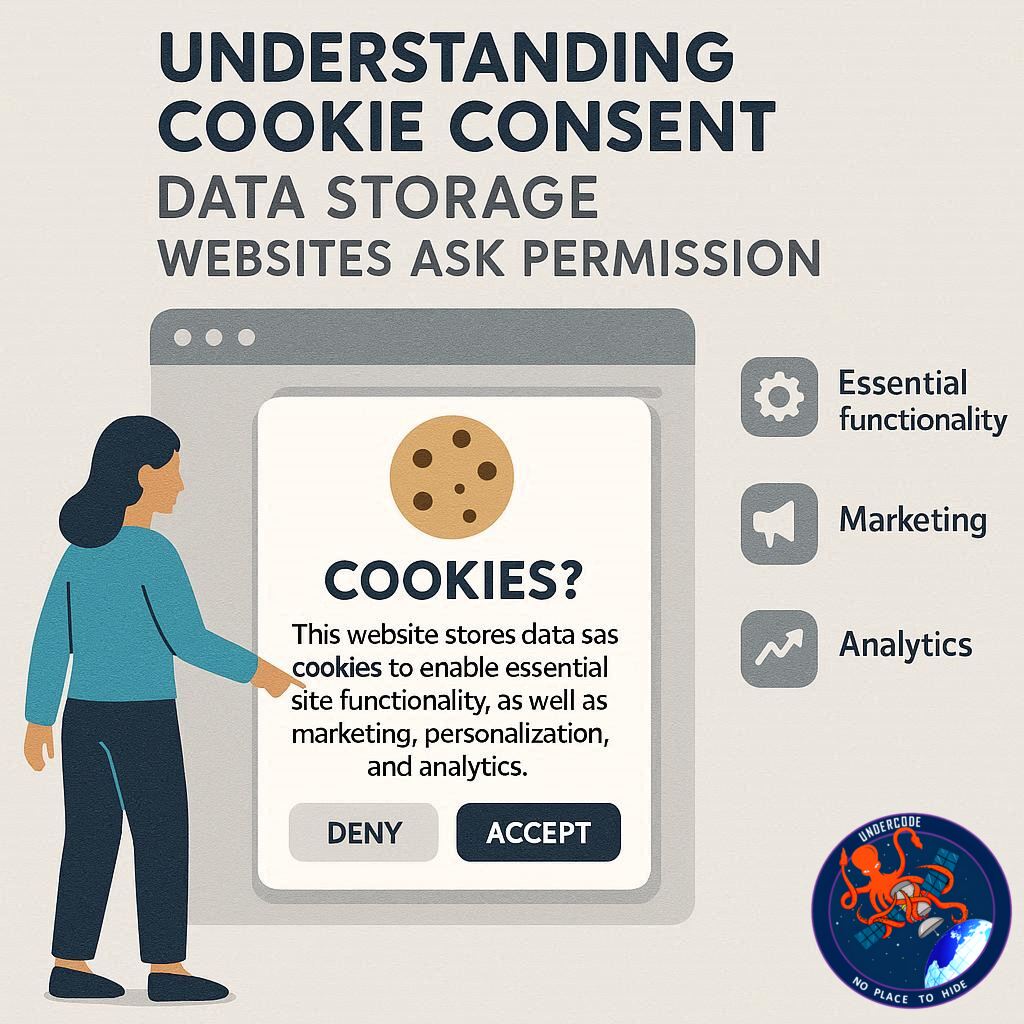
Introduction: Why Cookie Messages Exist Everywhere
Modern websites are no longer simple pages that just load text and images. They are interactive platforms that remember preferences, secure logins, analyze traffic, and sometimes deliver personalized advertising. To do this, they rely on technologies such as cookies and local storage. This article explains, in plain English, what those technologies do, why consent matters, and how different types of data processing affect users and websites alike.
Background: The Rise of Data-Driven Websites
Websites today are built around user experience optimization. From saving language preferences to ensuring stable logins, data storage has become a core technical requirement. Regulations like GDPR did not create cookies, but they forced transparency around how and why data is collected.
The Purpose of Technical Storage
Technical storage exists primarily to make websites function correctly. Without it, basic features such as session management, form submissions, or page navigation would break or behave unpredictably.
Consent as a Legal Requirement
User consent is not just a courtesy message. It is a legal safeguard that allows websites to process certain types of data lawfully. Declining consent can limit features, but it also preserves user privacy choices.
Summary: What the Original Explains
Essential Access and Core Functionality
The article clarifies that some technical storage is strictly necessary. This includes enabling services explicitly requested by users, such as loading pages, processing logins, or transmitting data across networks.
Communication Over Electronic Networks
Certain storage mechanisms exist only to ensure that communication over the internet happens smoothly. These are foundational elements of how browsers and servers talk to each other.
Preference Storage Without Direct Requests
Websites often store user preferences, such as language or theme selection. Even if users do not actively request this storage, it improves usability and consistency across sessions.
Statistical Storage for Website Improvement
Some storage is used exclusively for statistics. This allows site owners to understand traffic patterns, popular pages, and performance issues without targeting individuals.
Anonymous Analytics and Privacy Boundaries
When data is anonymized, it generally cannot identify users without external intervention. This separation is critical for balancing insight with privacy protection.
Legal Limits on Identification
The article highlights that anonymous statistical data usually cannot identify users unless combined with subpoenas, ISP cooperation, or third-party records.
Advertising and User Profiling
More advanced storage is used to create user profiles. These profiles help deliver targeted advertising and track behavior across multiple websites.
Cross-Site Tracking Explained
Tracking across websites allows advertisers to build behavioral patterns. This practice is one of the main reasons consent banners exist.
Marketing Purposes and Transparency
Using data for marketing requires clear disclosure. Users must understand that their browsing habits may influence the ads they see.
Impact of Withholding Consent
If users do not consent, certain features may not function as intended. This is not a punishment, but a technical limitation.
User Control Over Data
The article emphasizes that users can withdraw consent at any time, restoring control over their digital footprint.
Functional Trade-Offs
There is a trade-off between personalization and privacy. Declining storage may reduce convenience but increases anonymity.
Regulatory Compliance
Websites must align with data protection laws. Consent banners are part of compliance, not optional design elements.
Trust Between Users and Platforms
Transparency builds trust. Clear explanations of data use reduce suspicion and improve user confidence.
Technical Neutrality
Not all cookies are harmful. Some are purely functional and exist only to keep websites operational.
Misconceptions About Cookies
The article indirectly addresses the misconception that all cookies are invasive, which is not accurate.
The Role of Internet Service Providers
ISPs can sometimes link anonymous data to identities, but only under specific legal circumstances.
Voluntary vs Forced Disclosure
Without legal pressure, anonymous storage typically remains anonymous.
Importance of Clear Policy Language
Users benefit when consent notices are written in understandable language instead of legal jargon.
Informed Decision-Making
Consent is meaningful only when users understand what they are agreeing to.
Digital Literacy and Awareness
Understanding cookies improves digital literacy and empowers users online.
Balance Between Innovation and Privacy
The article reflects the ongoing struggle to innovate while respecting user rights.
Website Sustainability
Advertising and analytics often fund free content, making consent decisions economically significant.
User Autonomy
Ultimately, the user decides how much data they are willing to share.
Evolving Legal Landscape
Data protection rules continue to evolve, shaping how consent mechanisms work.
Global Relevance
While laws differ by region, the principles discussed apply worldwide.
Transparency as a Standard
Clear disclosure is becoming the industry norm.
Responsibility of Website Owners
Site owners must implement consent mechanisms responsibly.
Technical Complexity Simplified
The article simplifies complex backend processes into user-friendly explanations.
A Foundation for Privacy Choices
The original text serves as a baseline explanation for modern consent systems.
What Undercode Say:
Cookies Are Infrastructure, Not Just Trackers
Many users associate cookies solely with advertising, but in reality, they are part of the internet’s infrastructure. Without them, secure sessions and reliable navigation would be nearly impossible.
Consent Fatigue Is a Real Problem
Constant consent banners have trained users to click “accept” without reading. This undermines the very transparency regulations aim to create.
Functional Cookies Deserve Clear Separation
Lumping essential and marketing cookies together creates confusion. Websites should clearly separate what is required from what is optional.
Anonymous Analytics Still Matter
Even without personal identification, aggregated statistics provide critical insights into site performance and user needs.
Privacy by Design Is the Future
Websites that minimize data collection by default will face fewer compliance issues and gain more user trust.
Advertising Is Not Inherently Harmful
When done transparently, advertising supports free access to content. The problem arises when tracking becomes opaque.
User Trust Is a Competitive Advantage
Platforms that explain data usage clearly often outperform those that rely on vague or aggressive consent tactics.
Regulations Push Better Engineering
GDPR and similar laws have forced developers to rethink how they architect data flows and storage.
Data Minimization Reduces Risk
Collecting less data not only protects users but also reduces legal and security risks for companies.
Consent Should Be Granular
Users should be able to choose analytics without advertising, or preferences without tracking.
Technical Language Alienates Users
Consent notices written in legal language discourage understanding and engagement.
Transparency Encourages Informed Choices
When users know why data is needed, they are more likely to consent willingly.
Cross-Site Tracking Faces Decline
Browsers and regulators are increasingly restricting third-party tracking mechanisms.
First-Party Data Will Dominate
Websites will rely more on direct relationships with users rather than external trackers.
Anonymization Is Not Absolute
Even anonymized data can become identifiable if mishandled or combined improperly.
Education Is the Missing Layer
Most users still lack basic understanding of how online data flows work.
Ethical Data Use Builds Longevity
Short-term gains from aggressive tracking often damage long-term credibility.
Consent Withdrawal Must Be Easy
If opting out is difficult, consent loses its legitimacy.
UX Design Matters in Privacy
How consent options are presented influences user behavior significantly.
Dark Patterns Undermine Compliance
Manipulative design choices may violate both the spirit and the letter of the law.
Statistical Storage Is Underappreciated
Performance metrics help improve accessibility, speed, and reliability.
Free Content Has Hidden Costs
Users often forget that free services are funded through data-driven models.
Accountability Is Increasing
Regulators are more willing to fine companies that misuse consent frameworks.
The Shift Toward Privacy-Centric Tech
Privacy-focused browsers and tools are reshaping the ecosystem.
Trust Will Replace Tracking
Long-term success will depend more on trust than on surveillance.
Consent as Communication
Consent notices should be treated as user education tools, not obstacles.
Better Defaults Lead to Better Outcomes
Privacy-friendly defaults reduce friction and legal exposure.
The Industry Is Still Learning
There is no perfect model yet, only evolving best practices.
Transparency Will Become Non-Negotiable
Users increasingly expect honesty about data usage.
The Real Goal Is Balance
Sustainable digital ecosystems require both functionality and respect for privacy.
Fact Checker Results
Accuracy of Technical Claims
The explanation of essential, statistical, and marketing storage aligns with standard data protection frameworks. ✅
Legal Context Representation
The description of consent and anonymization reflects widely accepted regulatory interpretations. ✅
Risk of Overgeneralization
Some scenarios vary by jurisdiction, and not all implementations behave identically. ❌
Prediction
The Decline of Passive Consent
Users will demand clearer, more meaningful consent choices. 🔮
Growth of Privacy-First Analytics
Anonymous and self-hosted analytics solutions will become mainstream. 📊
Consent Banners Will Evolve
Future designs will focus more on education than interruption. 🚀
🕵️📝✔️Let’s dive deep and fact‑check.
References:
Reported By: www.itsecurityguru.org
Extra Source Hub (Possible Sources for article):
https://www.facebook.com
Wikipedia
OpenAi & Undercode AI
Image Source:
Unsplash
Undercode AI DI v2
Bing
🔐JOIN OUR CYBER WORLD [ CVE News • HackMonitor • UndercodeNews ]
📢 Follow UndercodeNews & Stay Tuned:
𝕏 formerly Twitter 🐦 | @ Threads | 🔗 Linkedin | 🦋BlueSky | 🐘Mastodon


