
Listen to this Post
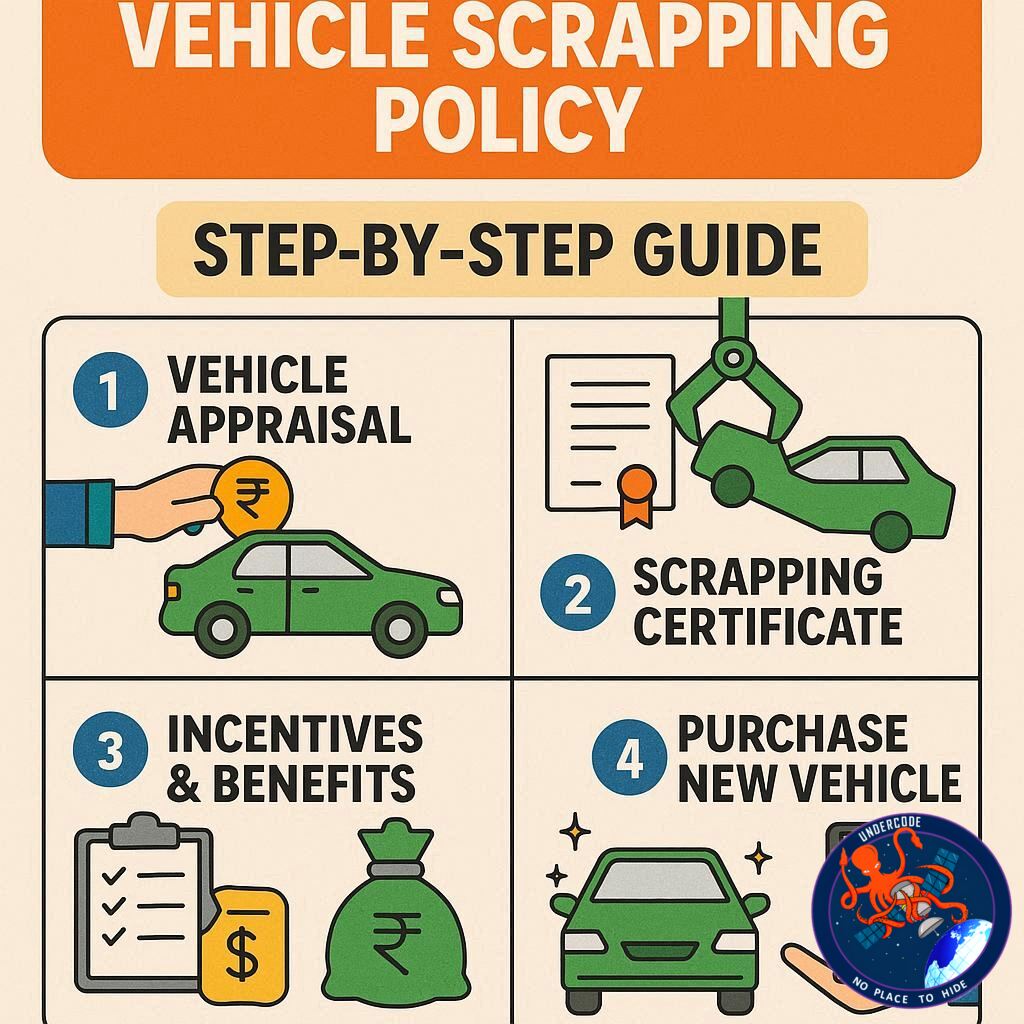
Every day, we encounter small hassles that eat up our time, money, and energy. The Times of India’s “Hack of the Day” series aims to simplify life with quick, practical solutions you can implement immediately. One of the most financially rewarding and environmentally conscious hacks today is scrapping your old, unfit vehicle through the government’s vehicle scrapping policy. Not only does this help you dispose of a car responsibly, but it also opens doors to significant tax benefits and registration fee waivers when you purchase a new vehicle. This guide will walk you through the process and explain how to maximize these benefits.
Simplifying Vehicle Scrapping: Step-by-Step
The government’s scrapping initiative, backed by the Voluntary Vehicle-Fleet Modernisation Policy (V-VMP) 2021 under the Ministry of Road Transport and Highways, encourages citizens to replace old vehicles responsibly. The process is straightforward:
Locate an Authorised Scrapping Facility – Start by visiting the MoRTH Vahan Citizen Services portal to find a Registered Vehicle Scrapping Facility (RVSF) near you. Book a slot and submit your vehicle’s Registration Certificate (RC) along with your ID for verification.
Obtain a Certificate of Deposit (CoD) – Once your vehicle is scrapped, the facility will issue a CoD. This certificate is critical as it serves as proof to claim tax rebates and other benefits when purchasing a new vehicle.
Claim Rebates on Your New Vehicle – Present the CoD when buying your new vehicle. You may receive up to a 25% rebate on road tax for private vehicles or 15% for commercial vehicles, along with a registration fee waiver. Note that specific benefits vary by state.
Keep Your Documents Safe – Retain the CoD and scrappage invoice for potential verification by your RTO or state transport department. Using only authorised facilities ensures eligibility for all government benefits.
This simple process not only reduces costs for your next vehicle purchase but also promotes environmental responsibility by ensuring old vehicles are properly dismantled and recycled.
What Undercode Say:
The vehicle scrapping policy is more than just a tax-saving tool—it is a strategic initiative to modernize India’s vehicular landscape and reduce pollution. By incentivizing citizens to replace old vehicles, the government tackles the dual challenge of environmental degradation and road safety risks posed by aging cars. Older vehicles often lack modern emission control systems and safety features, making them significant contributors to urban pollution and road accidents.
From a financial standpoint, the policy cleverly encourages consumers to invest in newer, more fuel-efficient models. Road tax rebates and registration fee waivers act as immediate monetary incentives, while long-term benefits include lower maintenance costs and improved resale value. This approach aligns personal economic interest with public welfare, creating a win-win scenario for citizens and the state.
Operationally, the policy’s reliance on authorised RVSFs ensures standardization, transparency, and accountability in vehicle disposal. The Certificate of Deposit system serves as a safeguard against misuse while streamlining the rebate process. The portal-based booking system reduces friction and minimizes bureaucracy, allowing citizens to complete the process efficiently.
Strategically, the scrapping scheme also reflects India’s push toward sustainable mobility and a greener economy. By phasing out older vehicles, the government fosters demand for cleaner, energy-efficient alternatives, including electric and hybrid vehicles. This positions the automotive sector for future-ready growth while curbing environmental impact.
Furthermore, while benefits differ across states, the overall framework promotes inclusivity and accessibility, enabling citizens nationwide to participate in the modernization drive. For private vehicle owners, a 25% road tax rebate significantly lowers entry barriers to new models, making sustainable mobility economically feasible. Commercial operators also gain modest incentives, which cumulatively support sector-wide modernization.
The initiative’s design demonstrates a thoughtful balance between regulation, economic incentives, and environmental responsibility. It highlights the government’s approach to long-term policy planning, using citizen-friendly hacks to drive meaningful change without imposing punitive measures. The step-by-step process ensures clarity, reduces errors, and encourages widespread adoption, proving that thoughtful policy design can translate into practical everyday benefits.
The scrapping policy is not just a vehicle-related hack—it’s a blueprint for integrating economic, environmental, and safety priorities. By leveraging official portals, adhering to state guidelines, and keeping documentation in order, citizens can save money while contributing to a cleaner, safer, and more modern transport ecosystem.
Fact Checker Results:
✅ The Vehicle Scrapping Policy is backed by the Voluntary Vehicle-Fleet Modernisation Policy (V-VMP) 2021.
✅ Tax rebates and registration fee waivers are applicable when scrapping vehicles through authorised RVSFs.
❌ Benefits may vary by state, so always verify with the local transport authority before claiming.
Prediction:
📊 The scrapping policy is likely to accelerate the turnover of old vehicles in India over the next five years, promoting cleaner air and boosting the demand for electric and hybrid cars. With increasing awareness and incentives, more citizens will opt for authorized disposal, creating a ripple effect in the automotive and environmental sectors.
🕵️📝✔️Let’s dive deep and fact‑check.
References:
Reported By: timesofindia.indiatimes.com
Extra Source Hub (Possible Sources for article):
https://www.discord.com
Wikipedia
OpenAi & Undercode AI
Image Source:
Unsplash
Undercode AI DI v2
Bing
🔐JOIN OUR CYBER WORLD [ CVE News • HackMonitor • UndercodeNews ]
📢 Follow UndercodeNews & Stay Tuned:
𝕏 formerly Twitter 🐦 | @ Threads | 🔗 Linkedin | 🦋BlueSky | 🐘Mastodon


