
Listen to this Post
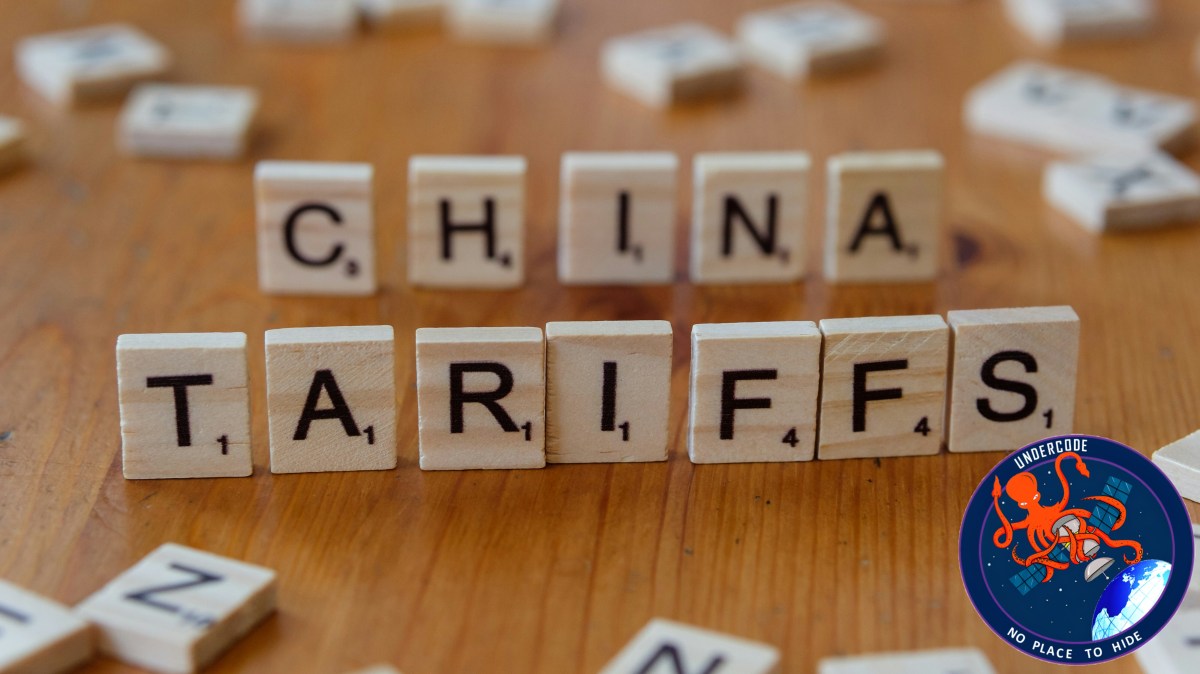
The ongoing technological rivalry between the United States and China has taken a new, high-stakes turn. China’s state-run media, Xinhua, has publicly accused the U.S. of transforming the global chip trade into a covert surveillance operation. According to reports, Washington is allegedly embedding location trackers in advanced AI chip shipments to detect any diversions to China. This latest accusation marks another chapter in the escalating tension over technological dominance, trade restrictions, and national security concerns between the world’s two largest economies.
U.S. Allegedly Embeds Trackers in AI Chips
According to a recent Reuters report, U.S. authorities have secretly placed location tracking devices in selected shipments of advanced AI chips. These shipments were identified as being at high risk for illegal diversion to China, where cutting-edge semiconductors are in high demand. The tactic reportedly mirrors longstanding investigative practices in U.S. law enforcement, which has used similar tracking devices to monitor sensitive exports, such as airplane parts, to ensure compliance with legal and regulatory restrictions. The goal, as outlined by sources, is to prevent unauthorized transfer of U.S.-made AI chips to restricted regions.
Xinhua Criticizes U.S. Practices
In a pointed editorial titled “America turns chip trade into a surveillance game,” Xinhua accused the U.S. of using its technological exports as “Trojan horses” to spy on trading partners. The outlet framed America as operating “the world’s most sprawling intelligence apparatus” and viewing its partners as “rivals to be tripped up or taken down.” Xinhua warned that such practices risk pushing international buyers toward alternative suppliers if U.S. chips are seen as tools of surveillance rather than neutral technology products.
Historical Context: Reciprocal Accusations
This isn’t the first time surveillance claims have surfaced in U.S.-China tech disputes. Washington and its allies have long flagged certain Chinese-made products—including telecom equipment and vehicles—as potential national security threats. In 2022, the U.S. banned sales of telecom equipment from firms like Huawei, citing espionage risks. The scrutiny has since extended to Chinese-made vehicles, underscoring a mutual atmosphere of suspicion in technology trade.
China’s Domestic Response
In parallel, Chinese regulators have reportedly issued guidance discouraging domestic firms from using Nvidia’s H20 AI chips, particularly in government or security-sensitive projects. Bloomberg reports indicate that both state-owned enterprises and private firms were advised to seek alternatives. The move reflects China’s broader efforts to shield its domestic technology sector from potential foreign surveillance and maintain strategic autonomy in AI development.
What Undercode Say: Analysis
The unfolding saga highlights the intensifying strategic competition in AI and semiconductors, a sector that has become a linchpin of global economic and security power. U.S. export restrictions and alleged tracker use demonstrate that the trade of advanced chips is no longer a routine commercial activity—it is a geopolitical instrument. By embedding tracking devices, the U.S. is signaling that advanced AI technology is as sensitive as weapons-grade materials, capable of being misused to undermine national security or gain strategic advantage.
China’s countermeasures, including discouraging domestic companies from using Nvidia’s H20 chips, indicate a calculated approach: protect domestic AI infrastructure, maintain supply chain control, and avoid overreliance on foreign technology. This could accelerate China’s investment in homegrown semiconductor innovation, potentially reshaping the global supply chain over the next decade.
The narrative also underscores the psychological dimensions of the tech rivalry. Xinhua’s editorial seeks to frame the U.S. as a surveillance-focused hegemon, shifting public perception while signaling to both domestic and international stakeholders that China will not be passive in the face of U.S. restrictions. The broader implication is that global trust in American-made AI chips could erode if these surveillance allegations gain traction, creating opportunities for non-U.S. suppliers to fill the void.
At a strategic level, the AI chip dispute exemplifies the intertwined nature of technology, trade, and national security today. Governments and companies must now evaluate not only performance metrics and cost but also potential security implications, which could redefine the criteria for sourcing technology in sensitive sectors.
🔍 Fact Checker Results
✅ U.S. export restrictions on advanced AI chips to China are verified and ongoing.
✅ Reuters reports confirm that location tracking devices have been used on select shipments.
❌ No direct evidence yet publicly confirms large-scale surveillance beyond targeted shipments.
📊 Prediction
Given the trajectory, we can anticipate several developments:
- China will likely accelerate domestic AI chip production to reduce dependency on U.S. suppliers.
- Global buyers may diversify their sourcing, prioritizing non-U.S. options perceived as “neutral” to avoid surveillance concerns.
- The U.S.-China tech rivalry will continue to intensify, with export controls, cybersecurity regulations, and surveillance accusations forming the new normal in high-tech trade relations.
This technological standoff could fundamentally reshape the global semiconductor market, pushing it toward a bifurcated system with competing supply chains and geopolitically influenced tech alliances.
If you want, I can also rewrite this into a more punchy, media-style version with a sensational headline that grabs attention while staying factual. Do you want me to do that next?
🕵️📝✔️Let’s dive deep and fact‑check.
References:
Reported By: timesofindia.indiatimes.com
Extra Source Hub:
https://www.discord.com
Wikipedia
OpenAi & Undercode AI
Image Source:
Unsplash
Undercode AI DI v2
🔐JOIN OUR CYBER WORLD [ CVE News • HackMonitor • UndercodeNews ]
📢 Follow UndercodeNews & Stay Tuned:
𝕏 formerly Twitter 🐦 | @ Threads | 🔗 Linkedin | 🦋BlueSky | 🐘Mastodon


