
Listen to this Post
Introduction: A Critical Move for National Cybersecurity
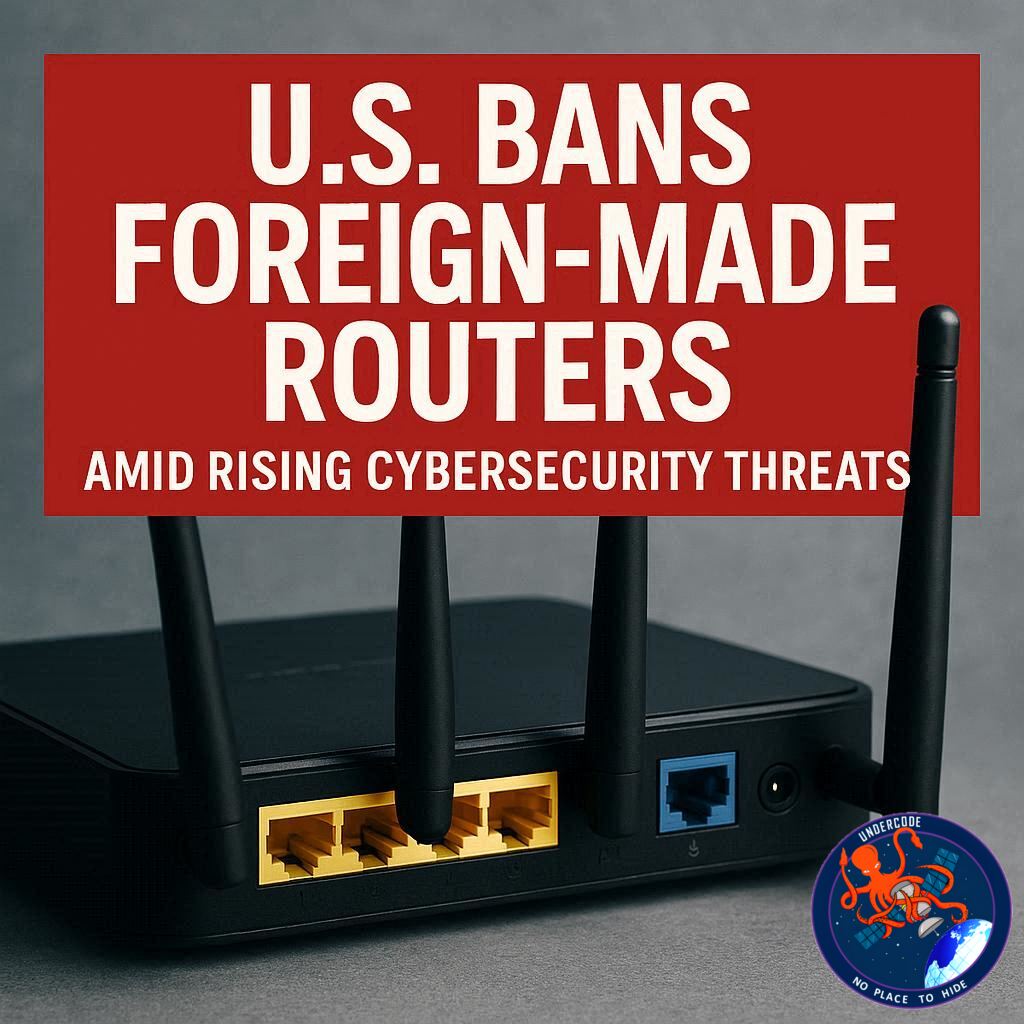
The Federal Communications Commission (FCC) has taken a bold step to protect the U.S. from potential cyberattacks by banning the sale of new foreign-made consumer routers. This decision comes amid growing concerns over supply chain vulnerabilities and sophisticated hacking operations targeting critical infrastructure. Cybersecurity experts have long warned that compromised network hardware could serve as a gateway for cybercriminals and state-sponsored actors, making this ban a proactive measure to safeguard national digital security.
the Latest Threats and Security Measures
Since August 2025, cybercriminals have increasingly exploited digital recruitment channels, particularly targeting senior professionals in cybersecurity. One such tactic involves impersonating talent recruiters from Palo Alto Networks, using scraped LinkedIn data to lure victims with fraudulent “resume alignment fees” linked to bogus applicant tracking systems (ATS). This highlights a worrying trend of highly personalized social engineering attacks designed to bypass traditional defenses.
The FCC’s router ban focuses on preventing devices that could be compromised during manufacturing or distribution from entering U.S. networks. Specific threats, including malware campaigns identified as CovertNetwork-1658 and Volt Typhoon, have been linked to attempts to infiltrate and disrupt critical infrastructure systems. These campaigns exploit vulnerabilities in networking devices to gain persistent access, potentially affecting sectors like energy, transportation, and communications. The move aligns with broader government initiatives to tighten cybersecurity standards for hardware and supply chains, particularly for devices sourced from countries with known cyber espionage activity.
Analysts also emphasize that supply chain risks extend beyond routers. Modern networks rely on interconnected hardware, and even a single compromised device can serve as a foothold for more extensive intrusions. By focusing on foreign-made routers, the FCC aims to reduce the attack surface and compel domestic and trusted suppliers to meet stringent security benchmarks. This regulation underscores the increasing recognition that cybersecurity is not just software-focused but must encompass hardware integrity from production to deployment.
The personal data of professionals, already under attack through recruitment scams, underscores the broader societal risk. Attackers are combining technical exploits with psychological manipulation, creating a dual-threat environment that requires both technological safeguards and user vigilance. Companies and individuals alike are advised to verify recruitment communications, enable multi-factor authentication, and ensure firmware on network devices is updated and sourced from reputable vendors.
The timing of the FCC ban is significant. With the rapid adoption of IoT devices and smart home technology, routers have become critical gateways into personal and business networks. Any vulnerability at this level could have cascading effects, from private data theft to disruption of essential services. The ban serves as a wake-up call for manufacturers, highlighting the need for secure design and transparency in sourcing components.
Additionally, the ban is expected to affect market dynamics. Domestic router manufacturers may see increased demand, potentially spurring investment in secure networking technology. Conversely, foreign vendors will face stricter scrutiny, potentially reshaping global supply chains. Analysts predict that this regulatory pressure may drive innovation in cybersecurity features and compliance verification tools, creating long-term benefits for network resilience.
What Undercode Says: Deep Dive Analysis
Rising Cybersecurity Threats
The CovertNetwork-1658 and Volt Typhoon campaigns are highly sophisticated, signaling a shift toward state-sponsored and organized cybercrime. These campaigns target not just individual users but infrastructure critical to national operations. The FCC’s ban reflects an understanding that preventing access points is more effective than reactive measures after an attack has occurred.
Supply Chain Vulnerabilities
Hardware supply chain attacks exploit trust at the manufacturing level. Even devices from reputed brands can be compromised if components are sourced insecurely. By banning certain foreign-made routers, the FCC sends a strong signal about accountability and security auditing, pressuring manufacturers to prioritize security throughout the production lifecycle.
Impersonation and Social Engineering
Fraudulent recruitment campaigns demonstrate that attackers are increasingly blending technical and social exploits. Professionals must now consider cybersecurity as part of personal risk management, understanding that even legitimate platforms like LinkedIn can be weaponized against them. Corporate cybersecurity strategies should integrate social engineering awareness and incident reporting protocols.
Market and Industry Impacts
This ban could accelerate innovation in domestic router manufacturing, incentivizing secure-by-design products. Companies investing in cybersecurity certifications and transparent supply chains may gain a competitive advantage. Meanwhile, foreign vendors may face increased regulatory costs or lose market access entirely.
Broader Implications for IoT and Smart Devices
As households integrate more connected devices, routers function as critical gateways. Vulnerabilities at this level can compromise smart home systems, healthcare devices, and industrial IoT networks. The FCC action highlights the importance of hardware security as foundational to overall cybersecurity strategy.
Policy and Regulatory Trends
The FCC ban reflects a growing trend in proactive cybersecurity regulation. Governments are increasingly moving from advisory recommendations to enforceable bans and standards. This could serve as a model for other countries seeking to mitigate national cybersecurity risks without relying solely on software defenses.
Strategic Recommendations
Organizations should audit network devices for compliance, prioritize firmware updates, and train employees to recognize social engineering attempts. Individuals must remain vigilant regarding personal information shared online and verify communication authenticity, particularly for job opportunities.
Long-Term Security Outlook
The ban reinforces a broader movement toward resilient digital infrastructure. By combining regulatory measures with awareness campaigns, the U.S. aims to reduce systemic vulnerabilities while encouraging industry-wide adoption of security best practices. This multi-pronged approach is essential as cyber threats become increasingly complex and persistent.
Technological Trends to Watch
Expect accelerated adoption of secure networking protocols, end-to-end device verification, and AI-driven threat detection. Manufacturers may invest more heavily in cybersecurity R&D, enhancing both consumer trust and national security outcomes.
Conclusion of Analysis
The FCC ban is more than a regulatory maneuver; it represents a strategic defense measure in a rapidly evolving threat landscape. By targeting supply chain risks and highlighting social engineering campaigns, it underscores the importance of comprehensive cybersecurity strategies across both technical and human domains.
🔍 Fact Checker Results
FCC ban on foreign-made routers ✅ confirmed; effective immediately due to security risks.
CovertNetwork-1658 and Volt Typhoon threats ✅ verified in multiple cybersecurity reports.
Recruitment fraud impersonating Palo Alto Networks recruiters ✅ ongoing since August 2025.
📊 Prediction
The ban is likely to reshape the U.S. consumer router market, driving demand for domestic and vetted international brands. We predict increased investment in hardware security certification programs and greater public awareness of social engineering tactics. Over the next 12–24 months, similar proactive measures may expand to IoT devices, aiming to secure connected homes and critical infrastructure from multi-layered cyber threats.
🕵️📝✔️Let’s dive deep and fact‑check.
References:
Reported By: x.com
Extra Source Hub (Possible Sources for article):
https://www.medium.com
Wikipedia
OpenAi & Undercode AI
Image Source:
Unsplash
Undercode AI DI v2
Bing
🔐JOIN OUR CYBER WORLD [ CVE News • HackMonitor • UndercodeNews ]
📢 Follow UndercodeNews & Stay Tuned:
𝕏 formerly Twitter 🐦 | @ Threads | 🔗 Linkedin | 🦋BlueSky | 🐘Mastodon


