
Listen to this Post
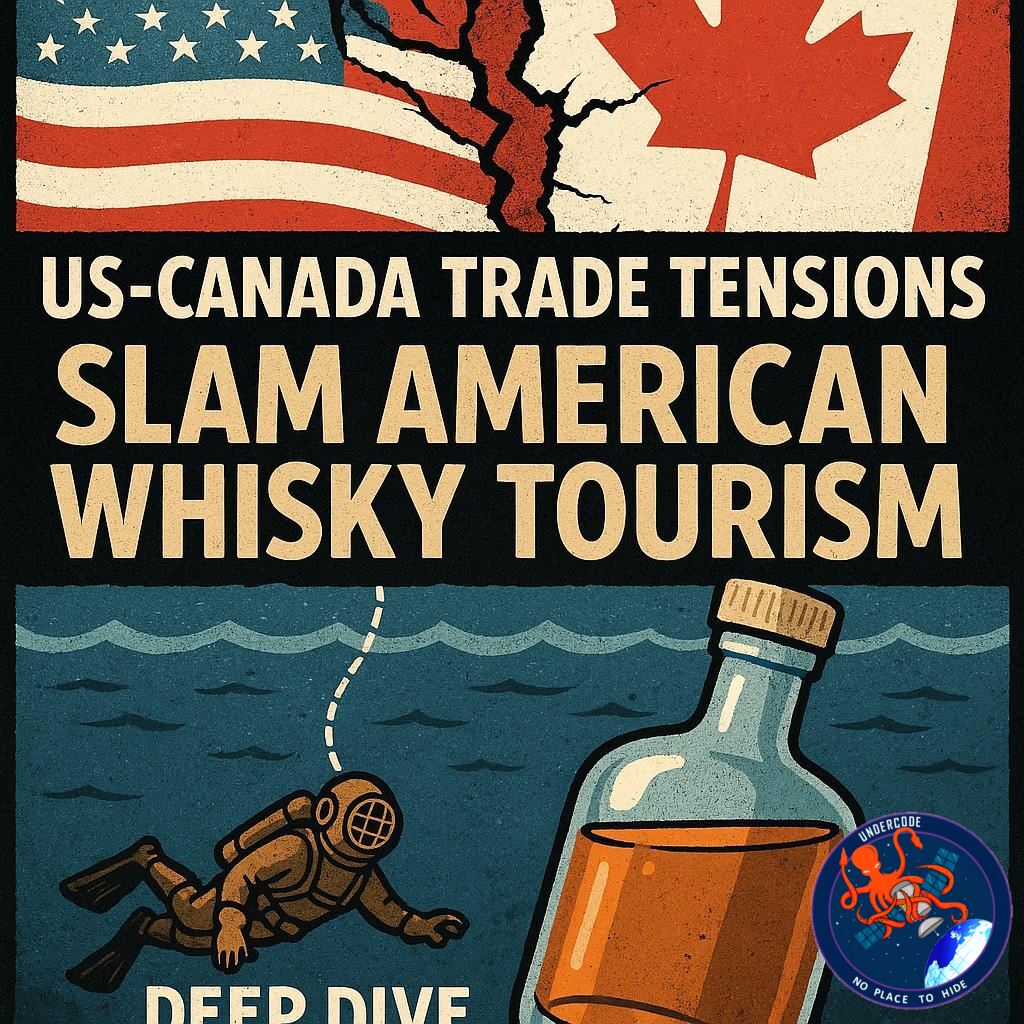
As 2025 began, Virginia Distillery CEO Gareth Moore was optimistic about a surge in American single malt whisky sales in Canada. The plan was bold: triple their business north of the border. But the optimism quickly turned to frustration as political tensions between the United States and Canada spilled into commerce. Retaliatory tariffs, controversial remarks by President Donald Trump, and Canadian bans on American spirits caused demand to crash, leaving Moore and countless other business owners reeling. This disruption highlights how deeply international politics can ripple through local businesses, reshaping industries from distilled spirits to tourism.
Market Collapse: The Story of Virginia Distillery
Moore explained the stark reality: “We were looking to triple the business. Instead, it collapsed to zero.” Canadian officials banned American spirits in many provinces, turning a promising market into an impenetrable wall. Moore stressed, “We’re not in politics. We’re just some guys in Virginia making good whisky. But unfortunately, we’re the victims.”
This is not an isolated case. Cedar Ridge Distillery in Iowa had invested heavily in Canada after losing European markets due to earlier trade disputes. The gamble paid off—until this year’s bans wiped out Canadian demand almost overnight. According to the Distilled Spirits Council of the United States (DISCUS), exports of American spirits to Canada plunged 85% in Q2 2025.
The Vanishing Canadian Tourist
It’s not just whisky that’s suffering. Canadian tourism to the United States has sharply declined. Resorts and travel businesses, especially those near the border, are feeling the pinch. Bluff Point Golf Resort in Plattsburgh, New York, once saw 70% of its daily golfers come from Canada. This year, Canadian visitors dropped dramatically, forcing reductions in staff and hours.
Mark Collins, CEO of Clipper Navigation, a ferry service connecting Vancouver and Seattle, observed a 30% decline in Canadian passengers. He cites not just currency concerns but “national pride being offended” after political provocations. U.S. tourism executives, including Geoff Freeman of the US Travel Association, warn that perceptions of unwelcoming policies and heightened border enforcement are discouraging travelers.
Economic Shockwaves Across Industries
The impact stretches beyond spirits and tourism. Businesses reliant on Canadian customers—resorts, golf courses, ferries—face layoffs and reduced schedules. Moore, Dame, and Collins all agree: their hardships are the unintended casualties of high-level political tension. Even when trade talks show glimmers of hope, the lingering uncertainty paralyzes investment and planning.
American producers like Quint stress that prolonged instability in trade and tariffs fosters a climate of hesitation. After years of turbulence, companies want clarity and consistency—not a repeated cycle of hope and collapse.
What Undercode Say:
The disruption in US-Canada commerce illustrates how political rhetoric and trade policy directly influence consumer behavior. While tariffs and bans are technical mechanisms, the underlying force is perception. Canadians’ sharp pullback from American spirits and travel underscores the emotional dimension of cross-border relations—national pride, perceived disrespect, and even minor gestures by political leaders can trigger tangible economic consequences.
From a market perspective, businesses caught between the two governments face dual risks: lost revenue and the impossibility of accurate forecasting. Distilleries like Virginia and Cedar Ridge represent the microcosm of these vulnerabilities. Investing in international markets now requires not only financial foresight but geopolitical literacy—understanding not just tariffs, but cultural sentiment and political optics.
Tourism, historically resilient due to convenience and proximity, has become a cautionary tale. Resorts and ferry operators show how even marginal policy changes or statements can cascade through employment, scheduling, and local economies. The decline in Canadian visitors also demonstrates that consumer decisions are highly elastic to political climate—people vote with their wallets as much as their ballots.
Furthermore, the US Travel Association’s warnings suggest that perception management is as critical as policy itself. Countries that fail to project hospitality risk long-term erosion of visitor loyalty, even if tariffs are eventually lifted. This emphasizes the growing intersection of diplomacy, economics, and marketing.
In the long term, companies might need diversified strategies: local production to bypass trade barriers, digital or subscription-based commerce to reach international customers remotely, and adaptive marketing that anticipates political swings. It’s a new paradigm where business success relies as much on reading global sentiment as on perfecting the product.
Ultimately, this scenario is a lesson in fragility and adaptation. US-Canada trade tension has demonstrated that centuries-long alliances can fracture swiftly, and businesses must prepare for rapid shifts in consumer allegiance. Whisky makers, travel operators, and exporters must integrate political risk into their financial models more rigorously than ever before.
Fact Checker Results:
✅ Canadian bans on American spirits are in effect in several provinces.
✅ Exports of American spirits to Canada fell 85% in Q2 2025.
❌ Claims of a “51st state” are rhetoric and not actual policy.
Prediction:
🇨🇦 Canadian visitors may gradually return if political tensions ease and hospitality messaging improves, but full recovery could take years.
🥃 American distilleries will likely diversify export markets to reduce dependence on a single country.
✈️ Travel businesses near the border may innovate with hybrid offerings or digital engagement to offset future volatility.
🕵️📝✔️Let’s dive deep and fact‑check.
References:
Reported By: edition.cnn.com
Extra Source Hub (Possible Sources for article):
https://www.digitaltrends.com
Wikipedia
OpenAi & Undercode AI
Image Source:
Unsplash
Undercode AI DI v2
Bing
🔐JOIN OUR CYBER WORLD [ CVE News • HackMonitor • UndercodeNews ]
📢 Follow UndercodeNews & Stay Tuned:
𝕏 formerly Twitter 🐦 | @ Threads | 🔗 Linkedin | 🦋BlueSky | 🐘Mastodon


