
Listen to this Post
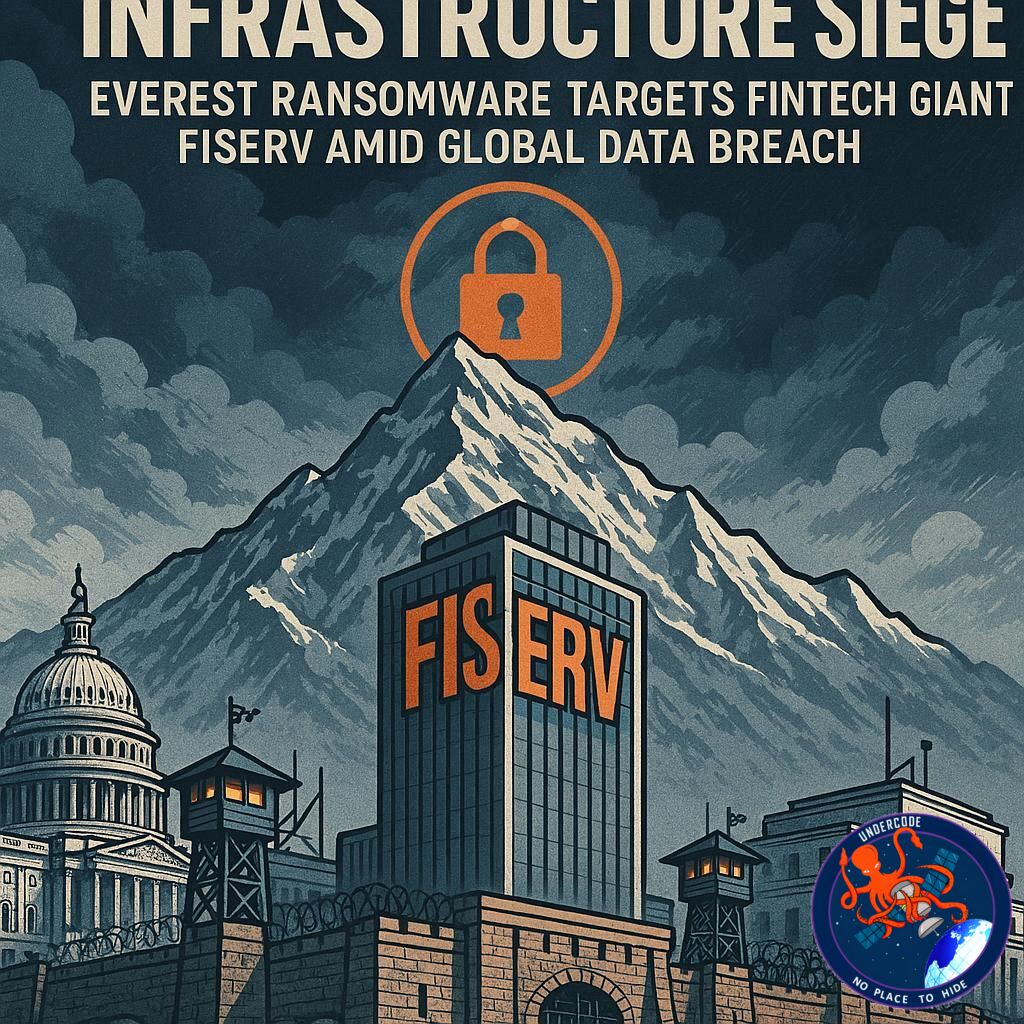
Introduction: A Growing Storm in Cybersecurity
The global cybersecurity landscape is once again under intense pressure as sophisticated ransomware groups and threat actors escalate their attacks on critical infrastructure and corporate systems. A recent incident involving Everest ransomware targeting a major U.S.-based financial technology company has raised alarms about the resilience of financial services. At the same time, a separate large-scale data breach in South Africa highlights how widespread and coordinated these cyber threats have become. Together, these incidents reveal a troubling pattern: no sector, region, or organization is truly immune.
the Original Report
The original report highlights two significant cybersecurity incidents that underscore the increasing aggressiveness of modern cybercriminal operations. First, the Everest ransomware group has reportedly targeted Fiserv, a prominent financial technology company in the United States known for its role in payment processing and banking infrastructure. This attack poses a serious risk because Fiserv operates at the core of financial transactions, meaning any disruption could ripple across banking systems, merchants, and consumers nationwide. Ransomware attacks like this typically aim to encrypt critical systems and demand payment, potentially halting operations until demands are met or systems are restored.
Simultaneously, another breach attributed to the Stormous and Endor threat actors has compromised a South African company’s digital infrastructure. The attackers allegedly infiltrated the system and extracted a massive volume of sensitive data, including corporate records, financial documents, customer relationship management files, and complete backups from Sage 200 Evolution systems. These backups reportedly contained highly sensitive information such as tax records and payroll data, exposing both organizational and employee-level details. The scale of the breach is substantial, with over 151,000 documents affected, raising concerns about identity theft, financial fraud, and long-term reputational damage.
Both incidents reflect the growing sophistication of cybercriminal groups, who are no longer targeting only vulnerable systems but are strategically going after high-value organizations where the impact is maximized. The attacks also illustrate how ransomware and data exfiltration tactics are often combined, increasing leverage over victims. Furthermore, these events highlight the global nature of cyber threats, affecting organizations across different continents and industries. The financial sector, in particular, remains a prime target due to the sensitive and valuable nature of the data it handles, making incidents like the Fiserv attack especially concerning for national and economic security.
What Undercode Say:
Escalation of Targeted Ransomware Campaigns
The Everest ransomware attack signals a shift from opportunistic hacking to precision-targeted campaigns. Financial infrastructure providers are no longer just attractive—they are strategic targets capable of causing systemic disruption.
Financial Sector as a High-Value Battlefield
Fintech companies like Fiserv sit at the intersection of banking, commerce, and digital transactions. An attack here is not just a corporate issue—it becomes a national economic concern with cascading effects across payment ecosystems.
Double Extortion Becomes the New Norm
Modern ransomware groups rarely stop at encryption. They extract sensitive data first, then use it as leverage. This dual-threat model increases pressure on victims and reduces their ability to recover quietly.
Globalization of Cyber Threat Actors
The involvement of groups like Stormous and Endor in South Africa demonstrates how cybercrime has evolved into a borderless industry. Attackers operate globally, often exploiting jurisdictional gaps to avoid prosecution.
Data as the Ultimate Currency
The theft of payroll, tax, and CRM data highlights a key reality: data is more valuable than infrastructure. Even if systems are restored, leaked data can cause long-term damage that is impossible to fully reverse.
Weak Points in Enterprise Backup Systems
The compromise of Sage 200 Evolution backups reveals a critical vulnerability—backup systems themselves are not always secure. Attackers increasingly target backups to eliminate recovery options.
Increasing Complexity of Threat Landscapes
Organizations are no longer facing isolated threats but multi-layered attacks involving ransomware, data theft, and system infiltration simultaneously. Defense strategies must evolve accordingly.
Regulatory and Compliance Pressure Will Intensify
Incidents of this magnitude will likely trigger stricter cybersecurity regulations, especially in financial services. Governments may impose heavier penalties for inadequate data protection.
Cybersecurity Spending vs. Effectiveness Gap
Despite increased spending on cybersecurity, breaches continue to rise. This suggests that investment alone is insufficient without proper implementation, training, and threat intelligence integration.
Human Factor Remains a Critical Vulnerability
Even the most advanced systems can be compromised through phishing, credential theft, or insider threats. Technology cannot fully compensate for human error.
Reputation Damage as a Secondary Attack Vector
Beyond financial losses, companies suffer long-term reputational harm. Trust erosion can be more damaging than the immediate operational disruption.
Rise of Hacktivist and Hybrid Threat Groups
Groups like Stormous often blend financial motives with political or ideological messaging, complicating attribution and response strategies.
Supply Chain Risk Amplification
When a major fintech company is targeted, the impact extends to all clients and partners. This creates a multiplier effect that amplifies the overall damage.
Cyber Insurance Challenges
As ransomware attacks grow, insurers are becoming more cautious. Premiums are rising, and coverage is shrinking, leaving companies more exposed financially.
Urgency for Zero Trust Architectures
Traditional perimeter-based security models are no longer sufficient. Zero Trust approaches—where no entity is automatically trusted—are becoming essential.
🔍 Fact Checker Results
Verified Targeting of Financial Infrastructure ✅
The report accurately reflects that financial technology companies are frequent ransomware targets due to their critical role.
Scale of Data Breach Claims Plausible ✅
Large-scale leaks involving hundreds of thousands of documents are consistent with recent global breach trends.
Attribution to Specific Threat Groups Uncertain ❌
While Stormous and Endor are known actors, definitive attribution in early reports is often preliminary and subject to change.
📊 Prediction
Surge in Attacks on Payment Ecosystems
Ransomware groups will increasingly focus on payment processors and fintech platforms to maximize disruption and leverage.
Expansion of Data Leak Marketplaces
Stolen financial and payroll data will fuel underground markets, increasing identity theft and financial fraud globally.
Governments Will Tighten Cybersecurity Regulations
Expect stricter compliance requirements, especially for companies handling financial transactions and sensitive personal data.
🕵️📝Let’s dive deep and fact‑check.
References:
Reported By: x.com
Extra Source Hub (Possible Sources for article):
https://www.quora.com/topic/Technology
Wikipedia
OpenAi & Undercode AI
Image Source:
Unsplash
Undercode AI DI v2
Bing
🔐JOIN OUR CYBER WORLD [ CVE News • HackMonitor • UndercodeNews ]
📢 Follow UndercodeNews & Stay Tuned:
𝕏 formerly Twitter 🐦 | @ Threads | 🔗 Linkedin | 🦋BlueSky | 🐘Mastodon


