
Listen to this Post
Introduction
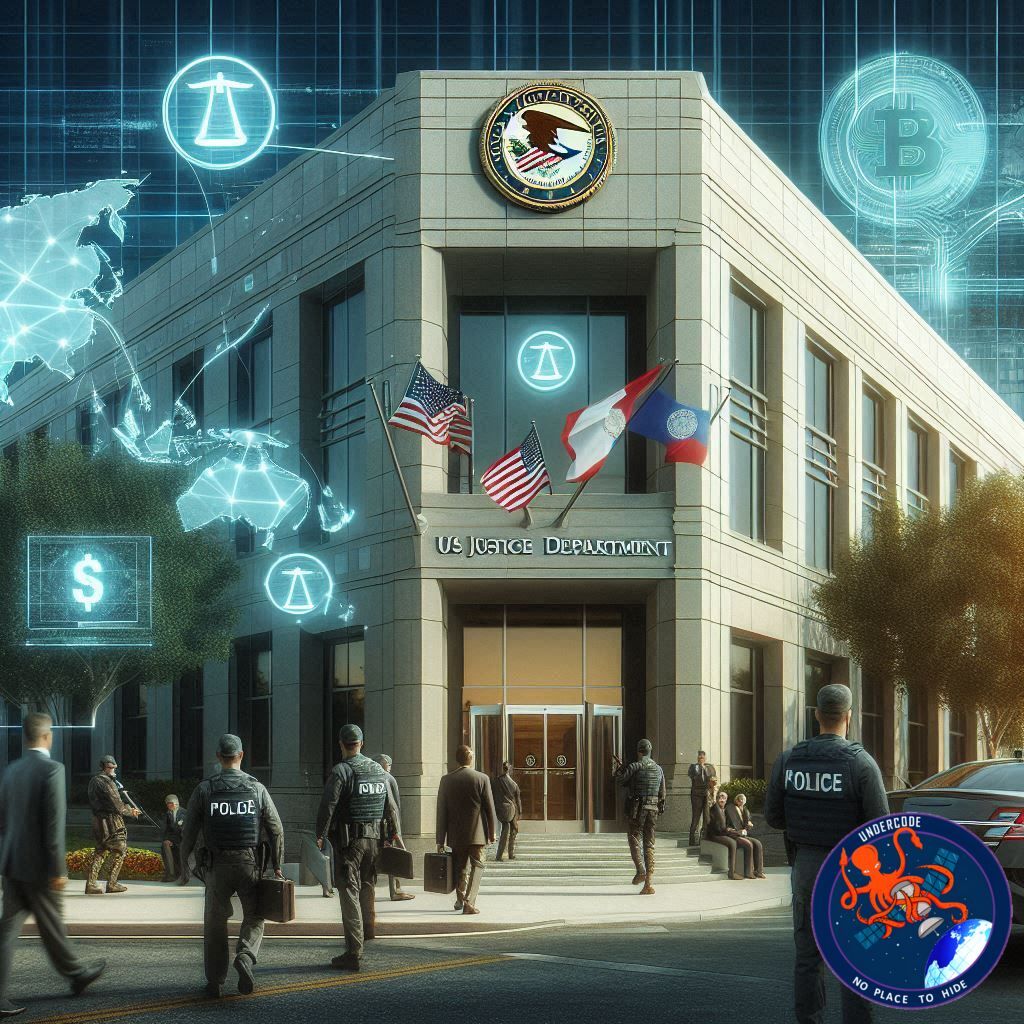
The U.S. Justice Department has taken decisive action against an international cryptocurrency scam, shutting down the fraudulent domain tickmilleas.com. Operated from the Tai Chang scam compound in Kyaukhat, Burma, the platform targeted unsuspecting American investors with sophisticated deception tactics. This move underscores the escalating federal efforts to dismantle transnational cybercrime networks exploiting the booming cryptocurrency market.
Seizure of Tickmilleas.com and Domain Infrastructure
Tickmilleas.com was carefully designed to mimic a legitimate cryptocurrency investment platform, using advanced techniques to convince users of its authenticity. The domain directed victims to download malicious mobile applications available on Google Play and the Apple App Store. These apps amplified the illusion of legitimacy, making the scam appear credible to victims. Following FBI alerts, both platforms removed several fraudulent applications, disrupting the scam’s operations.
Command-and-Control Operation Behind Romance Scams
The domain served as a command-and-control hub for coordinated romance and investment scams. Scammers contacted victims via dating apps, social media, and text messages, luring them into fake investment opportunities. Once engaged, victims were manipulated into purchasing cryptocurrencies and following fabricated trading instructions. Fictitious transaction histories displayed false returns and deposits, keeping victims unaware of the fraud.
Connections to Organized Crime
Evidence indicates the Tai Chang compound maintains links with the Democratic Karen Benevolent Army (DKBA) and Trans Asia International Holding Group Thailand Company Limited. Both organizations were designated as specially-designated nationals (SDNs) by the U.S. Treasury on November 12 due to connections with Chinese organized crime and Southeast Asian scam infrastructure.
Formation of Cryptocurrency Fraud Strike Force
This seizure aligns with the U.S. Justice Department’s creation of the District of Columbia U.S. Attorney’s Office Scam Center Strike Force—the nation’s first district-level task force targeting cryptocurrency investment fraud. This collaborative initiative involves the FBI, U.S. Secret Service, and deployed agents in Bangkok, working to dismantle scams at their source.
Rapid Detection and Victim Impact
Although tickmilleas.com had been registered only in early November 2025, investigators quickly identified multiple victims who suffered significant financial losses. Meta voluntarily removed over 2,000 related social media accounts, and a law enforcement seizure splash page now informs redirected visitors that the domain has been disabled.
Scope of the Threat
Cryptocurrency investment fraud remains a critical threat. FBI Internet Crime Complaint Center (IC3) reports highlight over 41,000 complaints and nearly $5.8 billion in losses in 2024 alone. Victims of tickmilleas.com are urged to file complaints through ic3.gov to assist ongoing investigations.
Legal and Enforcement Achievements
The Justice Department’s Computer Crime & Intellectual Property Section continues to prosecute cybercriminals, building on a record of more than 180 convictions and securing over $350 million in restitution for victims since 2020. The tickmilleas.com case reflects the department’s ongoing commitment to combating global financial fraud.
What Undercode Say:
The seizure of tickmilleas.com represents a strategic and highly technical approach to combating transnational cryptocurrency fraud. The use of a domain as a command-and-control hub highlights how modern scams integrate social engineering, app distribution, and cross-platform engagement to maximize victim reach. By targeting victims through social media and dating platforms, the scammers exploited emotional vulnerability and trust, which is a growing trend in cybercrime psychology.
From a cybersecurity standpoint, the case illustrates the evolving sophistication of scam infrastructure. The integration of mobile apps into the fraud ecosystem not only provided additional credibility but also extended the scammers’ operational control and monitoring capabilities. Law enforcement’s ability to coordinate with private tech platforms like Google, Apple, and Meta underscores the importance of public-private collaboration in combating online financial crime.
Financially, the rapid accumulation of victims’ cryptocurrency demonstrates both the high-risk nature of digital asset fraud and the necessity for immediate intervention. The involvement of organized crime networks such as DKBA and Trans Asia highlights the transnational dimension of modern scams, emphasizing that local enforcement alone cannot address these threats. A coordinated global response, intelligence sharing, and sanctions enforcement are essential to disrupt these networks effectively.
The establishment of the Cryptocurrency Fraud Strike Force is a promising development. By deploying agents near operational hubs and leveraging international cooperation, the task force aims to preemptively identify and neutralize scams before large-scale financial damage occurs. Additionally, the active removal of fraudulent accounts and apps demonstrates that technology platforms have a pivotal role in mitigating cybercrime risks.
For investors, this case serves as a stark warning: legitimate investment opportunities rarely require engagement through dating apps or social media, and overly polished platforms may conceal malicious intent. Education, vigilance, and rapid reporting are critical in preventing further victimization.
Fact Checker Results:
✅ Tickmilleas.com was seized by the U.S. Justice Department.
✅ The domain facilitated romance and cryptocurrency scams.
❌ There is no evidence the platform operated legally or provided real investment services.
📊 Prediction:
Cryptocurrency scams are likely to evolve further into multi-platform operations, combining social media, dating apps, and fake mobile apps to exploit victims’ trust. As law enforcement strengthens international coordination and private companies enhance detection tools, scam networks may shift to decentralized platforms and AI-driven impersonation techniques. Investors should expect both heightened enforcement visibility and increased sophistication in scams.
🕵️📝✔️Let’s dive deep and fact‑check.
References:
Reported By: cyberpress.org
Extra Source Hub (Possible Sources for article):
https://stackoverflow.com
Wikipedia
OpenAi & Undercode AI
Image Source:
Unsplash
Undercode AI DI v2
Bing
🔐JOIN OUR CYBER WORLD [ CVE News • HackMonitor • UndercodeNews ]
📢 Follow UndercodeNews & Stay Tuned:
𝕏 formerly Twitter 🐦 | @ Threads | 🔗 Linkedin | 🦋BlueSky | 🐘Mastodon


