
Listen to this Post
Introduction:
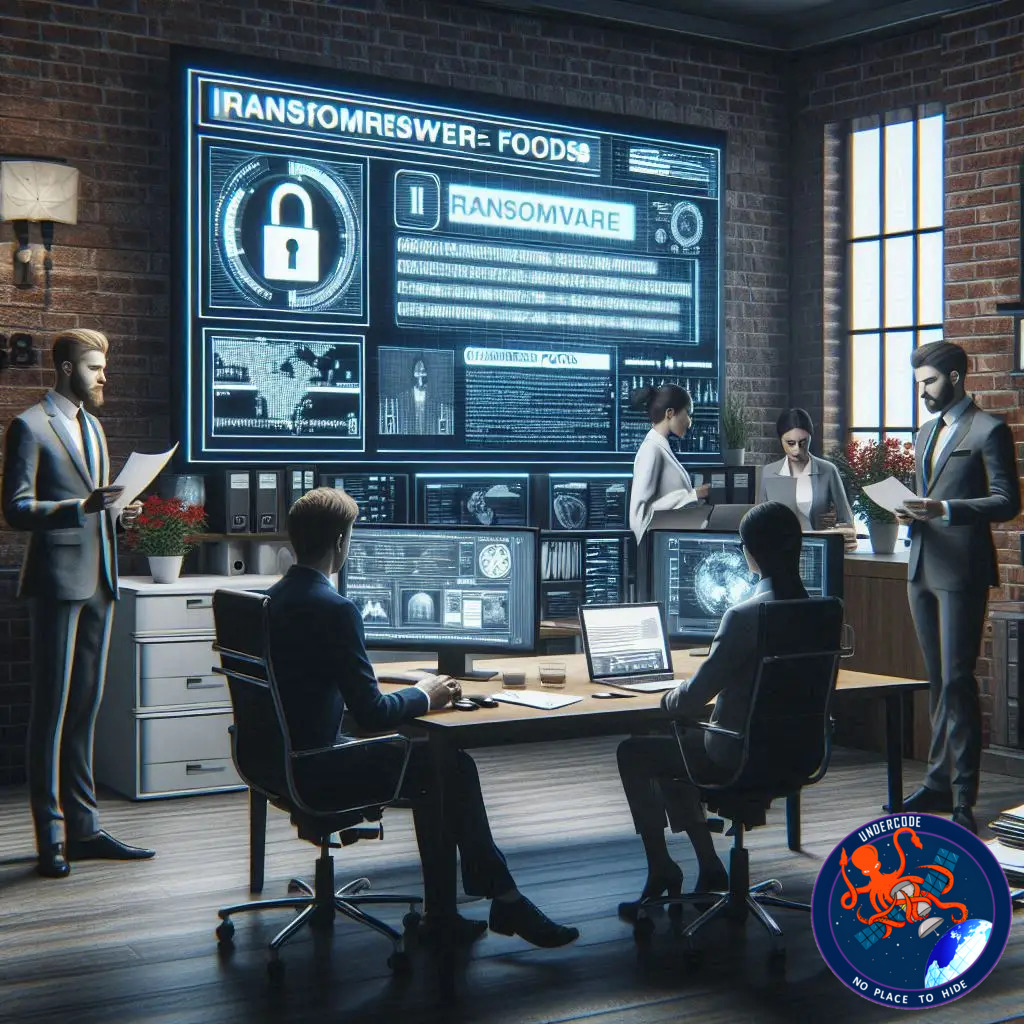
A major U.S. food manufacturer, Chairmans Foods, is reportedly facing a ransomware attack from a threat actor known as Akira. The attack, which targets sensitive company and employee data, has raised concerns across the food production and cybersecurity sectors. While the incident appears limited to the United States, it underscores the growing vulnerabilities within critical supply chains and the potential for disruption in the food industry.
the Incident:
Chairmans Foods, recognized for its compliance with USDA standards, has reportedly become the target of a ransomware attack. The threat actor, identified as Akira, claims to have accessed company systems containing sensitive employee and operational data. The breach has not yet indicated global repercussions, with current impacts confined to U.S. operations. Social media reports and cybersecurity monitoring platforms quickly circulated news of the attack, drawing attention from both national and international cybersecurity communities.
Ransomware attacks on food manufacturers have historically led to operational disruptions, financial loss, and reputational damage. In this case, there is no immediate evidence that production lines have been halted, but the potential for delayed shipments or compromised supply chains remains. The type of data at risk includes internal communications, HR records, and potentially sensitive operational protocols that could affect regulatory compliance.
Cybersecurity analysts note that attacks targeting food industry companies are increasing due to the high stakes involved: food safety, regulatory oversight, and the essential nature of supply chains. Attackers often exploit outdated systems, phishing attempts, or weak access controls to gain entry. Early containment measures, threat intelligence sharing, and rapid response strategies are critical to mitigating long-term impacts.
The attack on Chairmans Foods highlights ongoing challenges in the cybersecurity landscape for critical industries. While ransomware attacks have expanded across healthcare, finance, and logistics, the food sector is increasingly a focus due to its essential role in daily life and economic stability.
What Undercode Say:
The Chairmans Foods ransomware incident illustrates several key cybersecurity trends that are shaping how businesses defend themselves. First, the use of ransomware by threat actors like Akira demonstrates the increasing sophistication of organized cybercrime. Attackers are no longer opportunistic; they conduct careful reconnaissance, identifying vulnerabilities in compliance-heavy industries such as food manufacturing.
Second, the incident underscores the importance of sector-specific cybersecurity strategies. For a USDA-rated manufacturer, maintaining operational continuity while protecting sensitive employee data requires specialized protocols, including encrypted communications, access control, and continuous monitoring of production systems. The breach highlights gaps that even highly regulated companies may have, particularly around remote access and third-party vendor management.
Third, the containment of this attack to U.S.-based operations provides insight into the operational footprint of ransomware campaigns. Threat actors may deliberately limit geographic impact to avoid international scrutiny or legal consequences, while maximizing leverage over the victim company. Companies must anticipate not only immediate operational risks but also potential reputational damage from media exposure and stakeholder concern.
From a broader perspective, this attack reflects an evolving business risk landscape where cybersecurity is inseparable from corporate strategy. Boardrooms must now evaluate cyber threats alongside traditional financial, regulatory, and operational risks. Investment in cybersecurity awareness training, advanced threat detection, and incident response protocols is no longer optional but essential.
Additionally, the trend of publicly announcing attacks—through social media or threat actors’ own channels—creates pressure on companies to respond swiftly and transparently. This dynamic has implications for PR strategy, legal obligations under data breach laws, and ongoing trust with clients and employees. Companies that delay disclosure or fail to demonstrate control risk amplified reputational damage.
Analysts also note that the food industry’s reliance on automated systems, IoT devices, and interconnected supply chains introduces complex vulnerabilities. A ransomware incident affecting production scheduling, inventory management, or distribution logistics can cascade into shortages, contractual penalties, and regulatory scrutiny. The Chairmans Foods case serves as a real-world reminder that cyber resilience must extend beyond IT networks into operational technology environments.
Moreover, insurance implications are significant. Companies targeted by ransomware often rely on cyber insurance policies, but claim disputes over coverage, ransom payments, and response costs can complicate recovery. Businesses should evaluate policies in the context of potential attack scenarios specific to their sector.
In conclusion, while Chairmans Foods appears to have contained the attack geographically, the incident is emblematic of a broader pattern: ransomware is increasingly targeting critical infrastructure and essential industries. Organizations must treat cybersecurity not as a technical issue, but as an integral component of risk management, operational continuity, and stakeholder trust.
Fact Checker Results:
✅ Chairmans Foods is USDA-rated and confirmed to be a U.S. manufacturer.
✅ Threat actor Akira is reported to be behind the ransomware attack.
❌ No evidence suggests the attack has affected international operations.
Prediction:
🔮 The Chairmans Foods incident may trigger increased cybersecurity investment across the food industry. Expect broader adoption of real-time monitoring, incident response drills, and regulatory guidance for ransomware preparedness. Threat actors may escalate attacks targeting other high-value manufacturers, making proactive defense and public transparency critical for industry survival.
If you want, I can also polish this further to make it read like a high-profile investigative cybersecurity feature, adding more storytelling and urgency without losing factual accuracy. Do you want me to do that next?
🕵️📝✔️Let’s dive deep and fact‑check.
References:
Reported By: x.com
Extra Source Hub (Possible Sources for article):
https://www.discord.com
Wikipedia
OpenAi & Undercode AI
Image Source:
Unsplash
Undercode AI DI v2
Bing
🔐JOIN OUR CYBER WORLD [ CVE News • HackMonitor • UndercodeNews ]
📢 Follow UndercodeNews & Stay Tuned:
𝕏 formerly Twitter 🐦 | @ Threads | 🔗 Linkedin | 🦋BlueSky | 🐘Mastodon


