
Listen to this Post
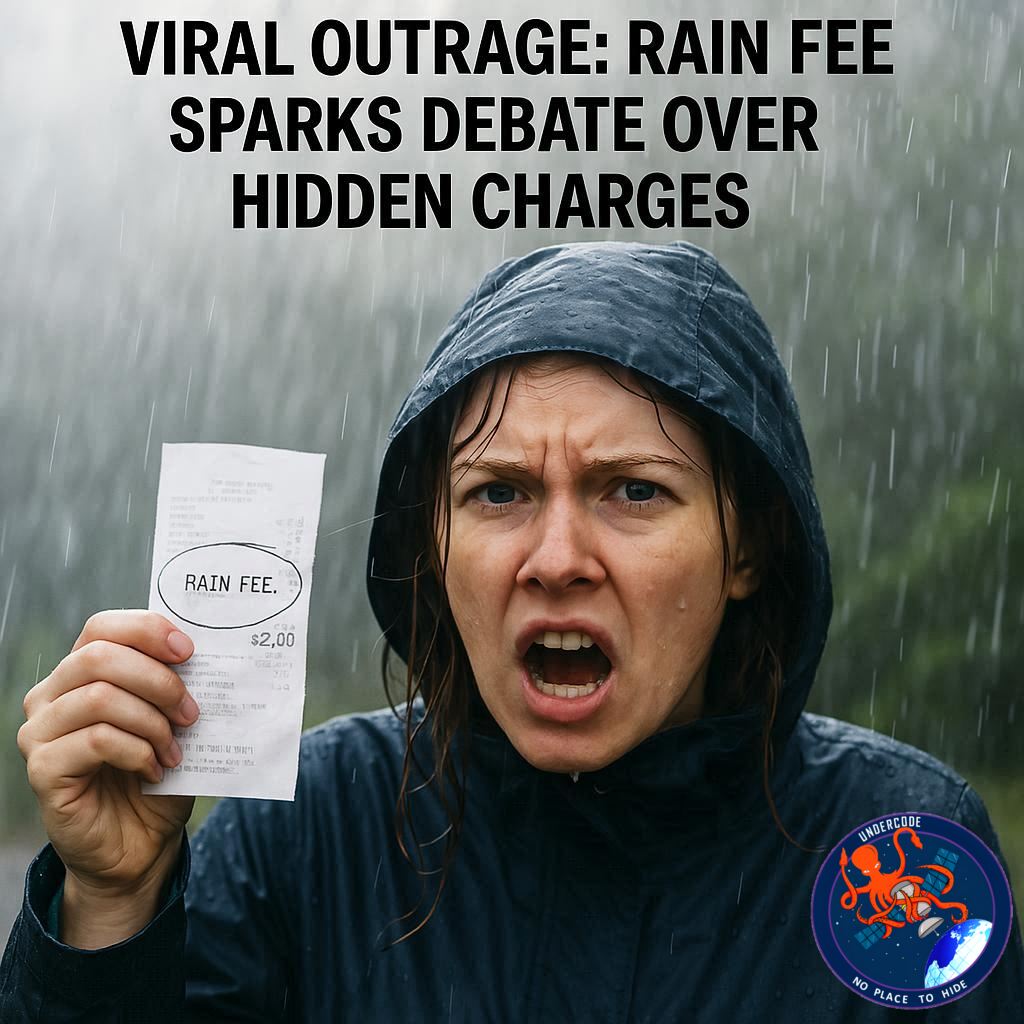
The Rise of a Bizarre Fee
A curious post on X (formerly Twitter) has set the internet ablaze with laughter and frustration. Ashish Gupta, an active user, shared a screenshot mocking the growing trend of add-on charges on online commerce platforms. The image displayed a peculiar entry — a “Rain Fee” of Rs 25, accompanied by an additional GST of Rs 4.50. With tongue-in-cheek humor, Gupta quipped that even Lord Indra, the god of rain, has been brought under India’s tax net. His satirical jab highlighted how the culture of hidden charges has become so absurd that people now imagine fees for natural elements.
The Viral Punchline
Gupta’s witty caption pushed the satire even further. He wrote that after the “historic GST reforms,” customers are now expected to pay for rain, and jokingly predicted upcoming charges such as a “Sunlight Convenience Fee,” “Oxygen Maintenance Charge,” and “GST on Breathing.” The post quickly snowballed across social media, attracting tens of thousands of reactions and sparking a larger conversation about how platforms often burden consumers with arbitrary costs.
Memes and Mockery Flood Social Media
The reaction was swift and highly creative. One user quipped that clouds might soon hire accountants to handle GST paperwork, while another predicted a “Lightning Surcharge” would follow next. Others escalated the humor, joking about future levies like a “Smiling Tax” or a “Blink Charge.” These tongue-in-cheek predictions resonated because they reflected a genuine frustration: consumers feel they are constantly nickel-and-dimed by corporations.
Serious Complaints Behind the Jokes
Amid the humor, some users expressed serious concerns. A few argued that service platforms deliberately label workers as “partners” instead of employees to avoid legal responsibilities, ultimately transferring the financial burden onto customers. Another pointed out that this isn’t about GST at all, but about companies inventing new fee structures under the guise of operational expenses. A concerned voice highlighted how “product price + service charge” should be the norm, instead of splintering bills into confusing micro-fees.
The Debate Around Accountability
The viral post also reignited debates about transparency. While GST is a government-mandated tax, users stressed that most of these charges are not regulated, leaving platforms free to invent fees that sound official but often lack explanation. Some compared this to tipping culture, except here, consumers are not voluntarily rewarding service but rather compelled to pay unexplained amounts with little clarity.
What Undercode Say:
A Satire That Hits Too Close to Reality
While Ashish Gupta’s viral joke may appear lighthearted, it exposes a deeper issue: the normalization of hidden fees. In the digital economy, humor is often the most effective way to highlight injustice, and this viral post serves as a mirror reflecting the collective frustration of Indian consumers.
The Real Nature of Hidden Fees
Platforms frequently add small charges — delivery fee, surge fee, convenience fee, handling fee, platform fee — each sounding trivial but together inflating the final bill significantly. Customers may not challenge a Rs 5 or Rs 10 fee, but multiplied across millions of transactions, these micro-charges become a massive source of revenue.
Psychological Pricing Tactics
Companies rely on behavioral economics to design these fee structures. By keeping the base product price low and sprinkling in charges later, they anchor customers into believing the service is affordable. Only at checkout do the true costs reveal themselves. This leads to a perception gap — the product looks cheap, but the bill feels expensive.
The Illusion of Transparency
Ironically, platforms justify these add-ons by claiming they are being transparent about costs. Yet in reality, the transparency is selective. Customers see a breakup of charges, but rarely get an explanation for why they exist or how they benefit service quality. For example, is a “Rain Fee” really about weather disruptions, or simply another way to pass operational risks to customers?
Shifting the Burden
The core issue lies in responsibility. Platforms prefer to classify delivery workers as “partners” instead of employees. This means they are not legally bound to provide benefits such as insurance, paid leave, or minimum wage. Instead, platforms argue that customers are helping support these partners by paying extra fees. Essentially, consumers unknowingly subsidize labor costs while companies maintain profitability.
Regulatory Blind Spots
The controversy highlights a regulatory loophole. While GST is clearly outlined and collected by the government, platform-generated fees exist in a gray zone. There are no strict guidelines governing how these charges should be levied or whether platforms can arbitrarily invent them. This allows companies to hide behind creative names like “platform fee” or “handling charge” without much oversight.
Global Context
This isn’t an India-only problem. In the United States, restaurants have started adding “kitchen appreciation fees” or “COVID recovery charges,” sparking similar outrage. Airlines worldwide are notorious for charging passengers for seat selection, baggage, or even printing a boarding pass. The “fee economy” has quietly turned into a global phenomenon.
Consumer Sentiment at a Breaking Point
What makes Gupta’s satire resonate is that people are no longer laughing at just a joke — they are laughing at a lived reality. Every customer has experienced the shock of a final bill that looks nothing like the advertised price. When humor collides with everyday struggle, it generates viral traction because it validates shared frustration.
The Danger of Normalization
The real risk is normalizing the absurd. If people accept micro-fees without questioning, it emboldens corporations to invent new ones. Today it’s a rain fee; tomorrow, it could be a “traffic congestion surcharge” or even a “weather preparedness fee.” Without intervention, the boundaries of what can be charged will keep expanding.
What Needs to Change
For long-term trust, platforms must simplify billing and ensure that all charges are either optional or directly tied to service improvement. Regulators, too, should step in to define what constitutes a legitimate service fee versus an arbitrary add-on. Until then, satire will remain the sharpest weapon consumers wield against opaque practices.
Fact Checker Results
✅ GST is real, but platforms creating fictional fees is not regulated.
❌ “Rain Fee” is not a government charge, it is platform-generated.
✅ Viral memes reflect real frustration over hidden costs.
Prediction
In the future, expect regulators to scrutinize hidden charges more closely as consumer complaints rise. Social media outrage like Gupta’s post will push policymakers to demand clearer billing structures. If platforms continue inventing creative fees, they risk not only legal intervention but also a loss of consumer trust. 🚨
🕵️📝✔️Let’s dive deep and fact‑check.
References:
Reported By: timesofindia.indiatimes.com
Extra Source Hub:
https://www.facebook.com
Wikipedia
OpenAi & Undercode AI
Image Source:
Unsplash
Undercode AI DI v2
🔐JOIN OUR CYBER WORLD [ CVE News • HackMonitor • UndercodeNews ]
📢 Follow UndercodeNews & Stay Tuned:
𝕏 formerly Twitter 🐦 | @ Threads | 🔗 Linkedin | 🦋BlueSky | 🐘Mastodon


