
Listen to this Post
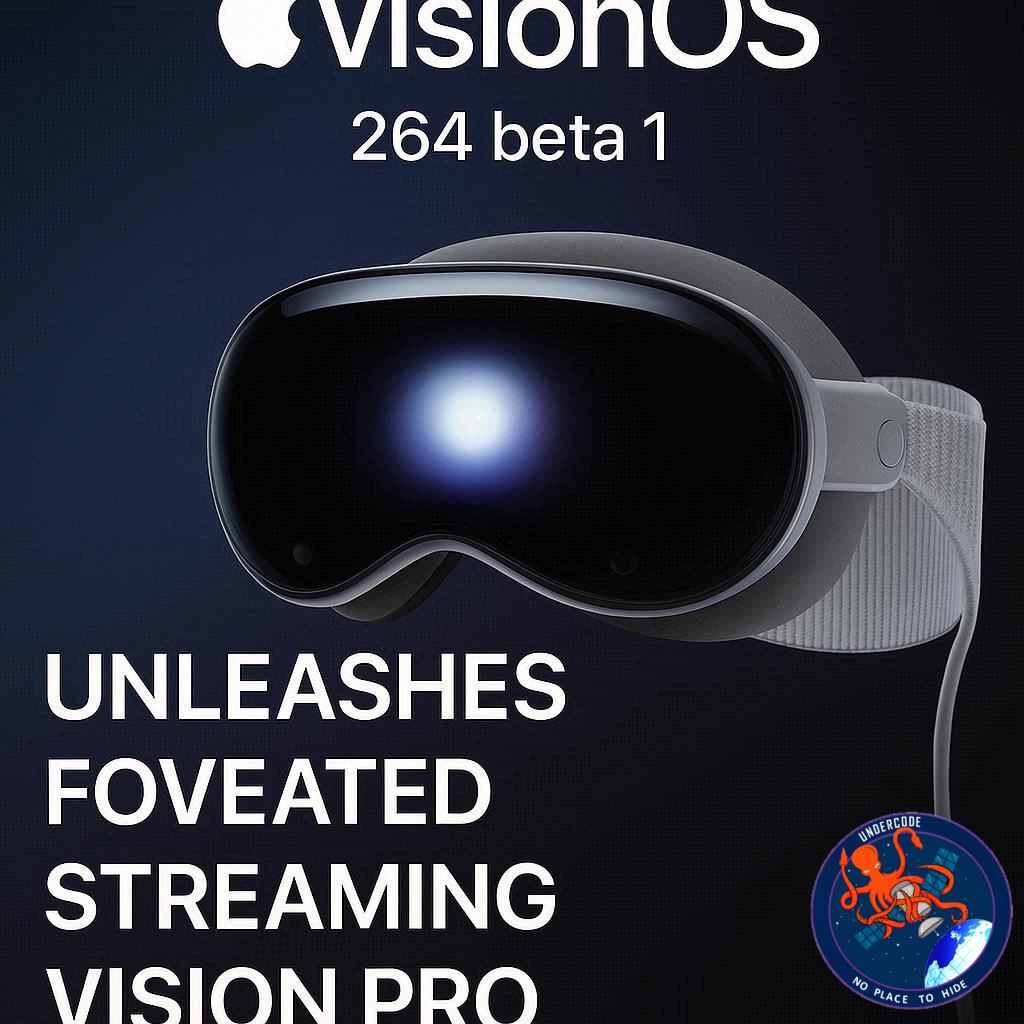
Apple has just dropped visionOS 26.4 beta 1, bringing exciting new features that promise to elevate immersive experiences on the Apple Vision Pro. Beyond supporting the latest video features in Apple Podcasts, this update introduces foveated streaming, a technology designed to optimize app and game performance while delivering stunning visuals. For VR enthusiasts and developers, this could mark a significant leap in how content is rendered and streamed, blending local and remote processing like never before.
Foveated Streaming Explained: What It Means for Users
According to Apple’s release notes, visionOS 26.4 now supports NVIDIA CloudXR with foveated streaming, allowing apps to display high-resolution, low-latency immersive content on the Vision Pro. Essentially, this means VR and spatial apps can stream content more efficiently by only fully rendering the areas where the user is looking, reducing the strain on processing power while maintaining top-tier visual fidelity.
For developers, this opens the door to bringing existing desktop or cloud-based VR apps to the Vision Pro. Apple’s documentation explains: “Foveated Streaming allows your endpoint to stream high-quality content only where necessary based on information about the approximate region where the person is looking, ensuring performance.” Developers can also layer native spatial elements over streamed content, creating hybrid experiences. For example:
A racing game can render interior elements like gauges and dashboards locally, while streaming the processor-heavy outdoor environment from a remote computer.
A flight simulator can render the cockpit in RealityKit, while streaming complex landscapes and weather effects from the cloud.
Because NVIDIA CloudXR is already used in other VR ecosystems, Apple’s integration of foveated streaming could make it easier for developers to port their existing apps to Vision Pro, expanding the library of high-quality immersive experiences. While it’s unclear if Apple’s own apps are using this tech yet, the company’s examples indicate potential new ways to merge local and streamed content seamlessly.
What Undercode Says: Deep Dive Analysis
Performance Boosts Could Be Game-Changing
Foveated streaming could drastically reduce latency and processing load, enabling Vision Pro to handle more complex environments without requiring a supercomputer on your head. This is particularly crucial for graphics-intensive apps like simulators or multiplayer games.
Encouraging Developer Adoption
By supporting a widely adopted platform like NVIDIA CloudXR, Apple is sending a clear message: developers should bring their existing VR experiences to Vision Pro. This could accelerate content availability, a major hurdle for any new spatial computing platform.
Hybrid Rendering Opens Creative Possibilities
The ability to layer native spatial elements over streamed content allows developers to craft experiences that are part local, part cloud-based. This hybrid approach could redefine user interaction paradigms in VR, where the headset itself handles immediate feedback while heavier processing happens elsewhere.
Cost and Accessibility Considerations
While foveated streaming optimizes performance, it may also reduce bandwidth usage and energy consumption, which could make Vision Pro more accessible for casual users who don’t have high-end networks or computing setups.
Implications for Future VR and AR Apps
This update hints at a broader vision: visionOS could become a hub for hybrid VR experiences, bridging high-fidelity cloud rendering with immersive local interactivity. Developers might start exploring cinematic experiences, educational simulations, and complex multiplayer VR worlds that were previously impractical on standalone headsets.
Potential Limitations
Foveated streaming is still dependent on both remote server capabilities and network stability. Poor connections could result in artifacts or latency, so adoption might be gradual as cloud infrastructure catches up.
Apple’s Vision Pro Ecosystem Expansion
By enabling these capabilities, Apple positions Vision Pro not just as a high-end headset but as a platform for serious developers, expanding its potential beyond gaming into professional simulations, training, and enterprise applications.
Market Competition Considerations
With competitors like Meta’s Quest line and Microsoft’s HoloLens already exploring cloud-assisted rendering, Apple’s adoption of foveated streaming is a strategic move to stay competitive in immersive computing while leveraging its ecosystem strengths.
User Experience Enhancements
End users will notice smoother visuals, sharper details where it matters, and less overheating, creating more comfortable long-term VR sessions. The blend of streamed and local rendering could become a defining feature of Vision Pro’s user experience.
Encouraging Experimentation
Developers now have a sandbox to experiment with hybrid content delivery, potentially spawning innovative new genres of apps that were impossible before.
Long-Term Vision
Foveated streaming sets the stage for Apple to gradually offload heavy processing to the cloud, meaning future Vision Pro models could be lighter, more comfortable, and more powerful without hardware upgrades.
Fact Checker Results
✅ Apple officially announced visionOS 26.4 beta 1 and NVIDIA CloudXR support.
✅ Foveated streaming is designed to optimize rendering based on the user’s gaze.
❌ There’s no confirmation yet that Apple’s native apps are currently using this technology.
📊 Prediction
Foveated streaming will likely become a cornerstone of Vision Pro app development in 2026. Expect a surge in high-fidelity, cloud-assisted VR and AR experiences, particularly in simulation, racing, and educational apps. Apple may also leverage this technology to create exclusive experiences that blend local and cloud rendering, giving Vision Pro a clear edge over competitors in both performance and visual immersion.
🕵️📝✔️Let’s dive deep and fact‑check.
References:
Reported By: 9to5mac.com
Extra Source Hub (Possible Sources for article):
https://www.reddit.com/r/AskReddit
Wikipedia
OpenAi & Undercode AI
Image Source:
Unsplash
Undercode AI DI v2
Bing
🔐JOIN OUR CYBER WORLD [ CVE News • HackMonitor • UndercodeNews ]
📢 Follow UndercodeNews & Stay Tuned:
𝕏 formerly Twitter 🐦 | @ Threads | 🔗 Linkedin | 🦋BlueSky | 🐘Mastodon


