
Listen to this Post
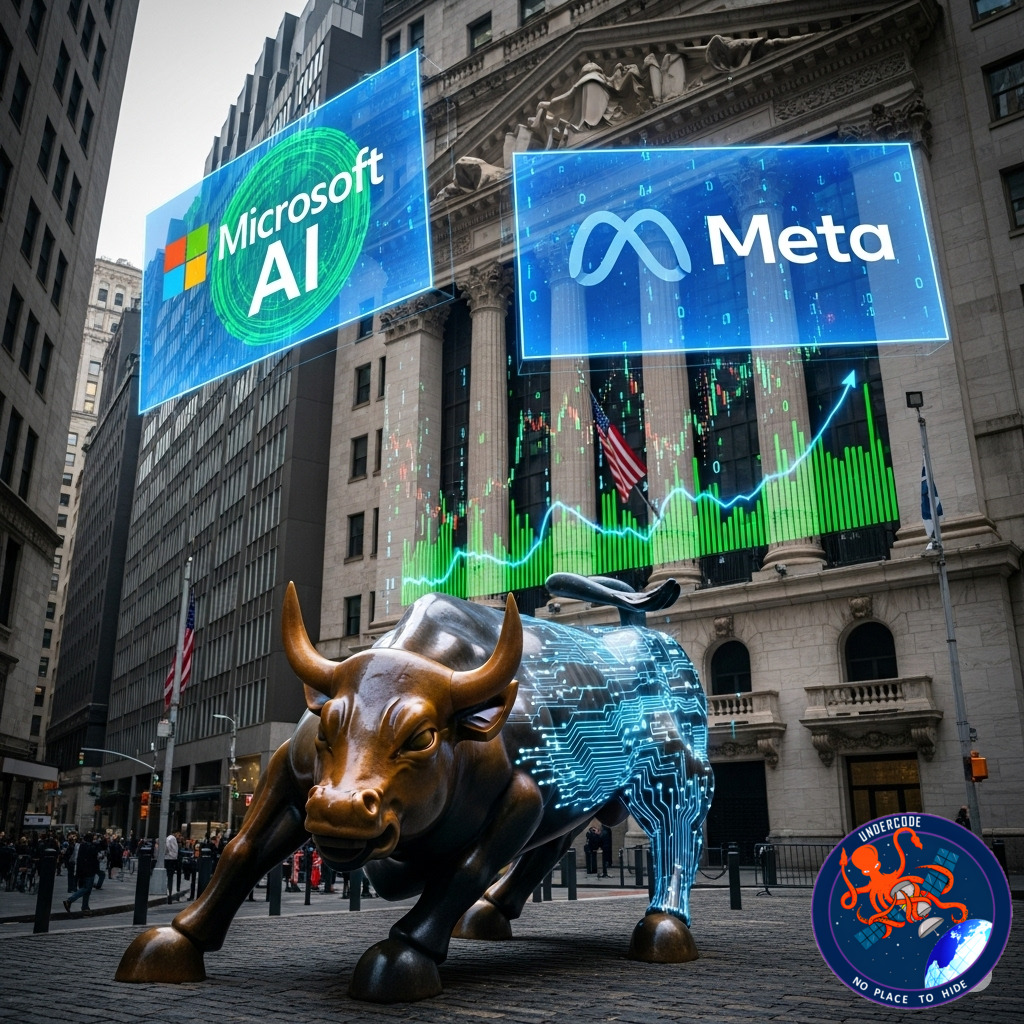
Market Braces for Inflation Data as Tech Stocks Surge
On July 31, the U.S. stock market kicked off the session with indecisive momentum as the Dow Jones Industrial Average wavered between gains and losses. By 9:35 a.m. EST, the index had edged up by 83.61 points to 44,544.89. The day’s narrative was defined by a powerful rally in tech giants—especially Microsoft and Meta Platforms—thanks to stronger-than-expected earnings and bullish outlooks. However, some defensive stocks weighed on the index, causing minor pullbacks during early trading hours.
Microsoft saw a dramatic jump of over 8%, propelling its market capitalization past the historic \$4 trillion mark for the first time ever. Its fiscal Q2 earnings beat Wall Street expectations, both in revenue and per-share earnings. Even more encouraging was its guidance for the July–September quarter, especially across its three core divisions. Despite not being a Dow component, Meta Platforms also dazzled investors, climbing as much as 13% after its earnings and revenue forecast exceeded expectations.
Both Microsoft and Meta are heavily investing in artificial intelligence infrastructure, fueling optimism around the broader AI ecosystem. Related stocks like Nvidia and Amazon also surged, with the latter slated to report its earnings later in the day.
Still, caution lingered. The Federal Reserve, during its July 29–30 FOMC meeting, left interest rates unchanged—just as markets expected. Fed Chair Jerome Powell made it clear in his press conference that the central bank hasn’t decided on a policy direction for September, subtly pushing back against expectations for an imminent rate cut. This stance rekindled inflation concerns and cast a shadow over investor sentiment.
Further complicating the market outlook was fresh inflation data. The June PCE price index rose 2.6% year-over-year, while the core PCE (excluding food and energy) increased 2.8%. Both figures outpaced Dow Jones’ consensus estimates (2.5% and 2.7%, respectively). Moreover, the Q2 Employment Cost Index grew 0.9%, above the forecasted 0.8%, reinforcing the narrative of persistent inflationary pressures.
Among other Dow constituents, Caterpillar and Cisco Systems traded higher. In contrast, UnitedHealth Group, Procter & Gamble, Merck, Boeing, and Nike declined. Apple, set to announce its earnings after market close, hovered slightly in negative territory. Meanwhile, the tech-heavy Nasdaq Composite extended its rally, momentarily surpassing its all-time high of 21,178 set on July 28.
What Undercode Say:
Wall Street’s reaction to strong tech earnings reflects a broader theme: AI is no longer speculative—it’s structural. Microsoft crossing the \$4 trillion market cap line is more than just a headline—it’s a signal that Big Tech’s aggressive AI push is starting to yield tangible results. These tech titans are no longer just chasing innovation for PR optics; they’re monetizing AI at scale and setting the tone for how the next economic cycle might unfold.
Meta’s 13% spike underscores investor confidence in its pivot from the metaverse to more grounded, AI-focused initiatives. It also illustrates how market sentiment can flip dramatically when earnings defy pessimistic expectations. Notably, this performance came even though Meta isn’t part of the Dow—a reminder that Nasdaq tech stocks are increasingly driving the broader market narrative, even when traditional indexes struggle.
Amazon and Nvidia riding the wave is predictable, but still meaningful. Amazon’s post-bell earnings could either extend the rally or introduce new volatility. Nvidia, the poster child of AI hardware, remains a bellwether for investor faith in the sector’s infrastructure layer.
But inflation remains a thorn in the side. The Fed’s hands-off stance on September rate decisions reveals a tactical ambiguity that markets don’t like. Powell’s caution could be read as strategic flexibility, but also as indecision in the face of mixed signals. The higher-than-expected PCE and Employment Cost Index numbers suggest that inflation, while lower than 2022 peaks, isn’t tamed yet. Wage growth is sticky, and services inflation remains stubborn—both factors that could delay rate cuts into late 2025.
Investors should watch the defensive pullbacks closely. When staples like Procter & Gamble and healthcare names start slipping while tech flies, it indicates a bifurcated market. If the AI trade falters even slightly, this imbalance could exacerbate volatility.
Apple’s upcoming earnings report adds another layer of suspense. While Microsoft and Meta dazzled, Apple tends to be the stabilizer in times of froth. If it misses expectations, we may see a tech-sector cooldown. If it beats, the Nasdaq could march further into uncharted territory.
Ultimately, the story of July 31 is one of optimism held back by caution. AI is fueling dreams, but inflation is keeping everyone grounded.
🔍 Fact Checker Results
✅ Microsoft’s \$4 trillion market cap is confirmed by live financial data on July 31.
✅ Meta’s 13% stock surge is supported by post-earnings performance data.
✅ June core PCE and Q2 employment cost index both exceeded forecasts, as reported by Dow Jones.
📊 Prediction
If Amazon and Apple post strong results and inflation cools marginally in August, the Nasdaq Composite is poised to break above 21,500 by mid-August. However, any hawkish Fed signals in the next two weeks could abruptly halt the AI-fueled momentum and trigger a 5–7% correction in overbought tech names.
🕵️📝✔️Let’s dive deep and fact‑check.
References:
Reported By: xtechnikkeicom_b09bac7801d60cc4d056b31a
Extra Source Hub:
https://www.instagram.com
Wikipedia
OpenAi & Undercode AI
Image Source:
Unsplash
Undercode AI DI v2
🔐JOIN OUR CYBER WORLD [ CVE News • HackMonitor • UndercodeNews ]
📢 Follow UndercodeNews & Stay Tuned:
𝕏 formerly Twitter 🐦 | @ Threads | 🔗 Linkedin | 🦋BlueSky | 🐘Mastodon


