
Listen to this Post
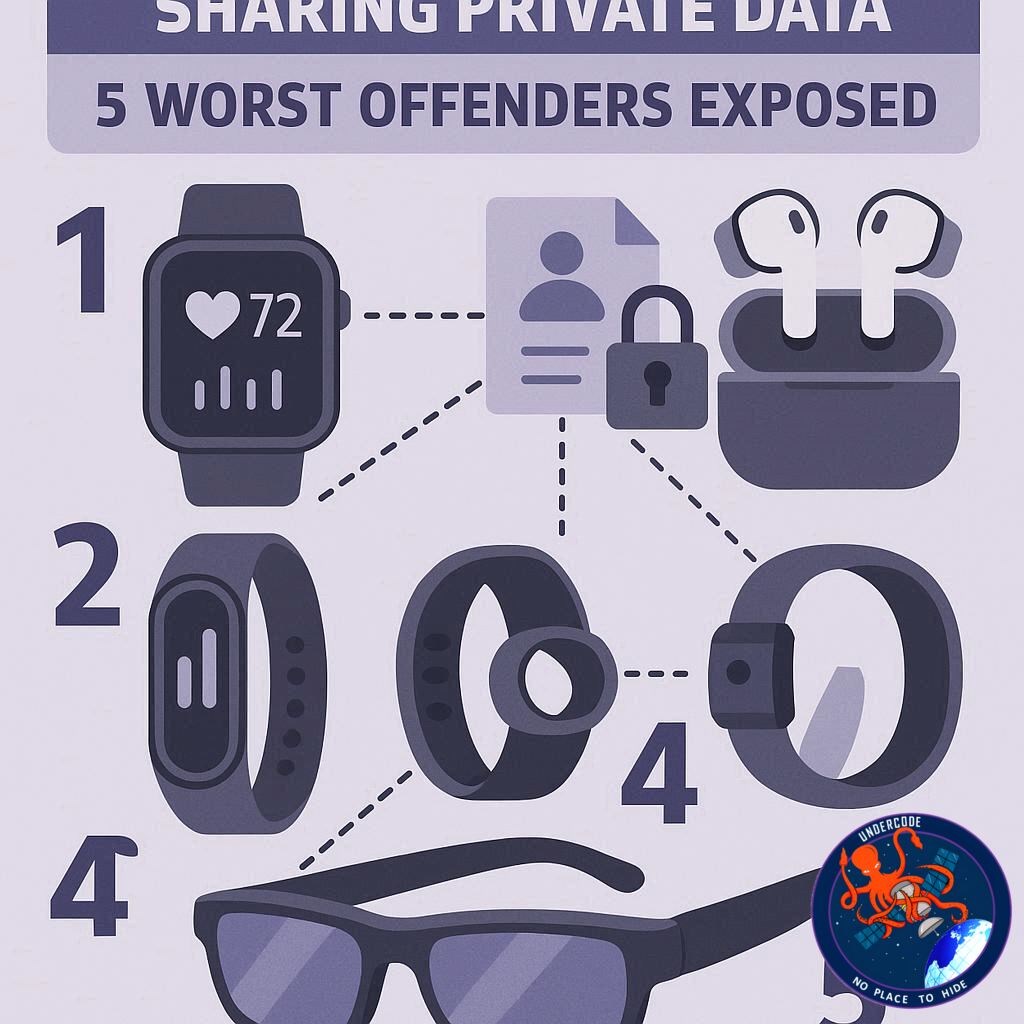
As wearable technology becomes an integral part of our daily lives, from fitness trackers to smart glasses, a hidden concern is growing: the collection and sharing of personal data. While these devices promise convenience, health insights, and entertainment, not all companies handle your sensitive information responsibly. A new report from VPNMentor exposes which wearable brands are putting your privacy at risk—and which are taking it seriously.
the Report
A comprehensive study by VPNMentor has revealed that some of the most popular wearable devices are actively sharing user data, often without giving users meaningful control over how their information is used. Among the worst offenders are Meta, Samsung, Xiaomi, and Huawei. Meta’s Ray-Ban smart glasses and Quest headsets, for example, reportedly upload media collected by users to help train AI models. The Quest headset also uses biometric data to target ads, while both Meta devices offer very limited options for users to opt out.
Samsung’s Galaxy Watch Series is similarly flagged for sharing user data to fuel personalized advertising. Xiaomi and Huawei also earn poor ratings, sharing data with affiliates and partners, leaving users with fewer rights over their information. In contrast, brands like Apple, Oura, Whoop, Withings, Coros, Dexcom, and Medtronic scored highly for data practices, offering strong transparency, robust security, and the ability to delete personal data.
The study ranked brands as poor, moderate, good, or excellent based on transparency, control, data-sharing policies, and security. While many companies refrain from sharing personally identifiable information, major players—including Samsung, Fitbit, Huawei, and Xiaomi—still openly share data for advertising purposes, despite their market dominance.
Meta, Samsung, Huawei, and Xiaomi have yet to comment on these findings. VPNMentor’s research comes just ahead of Meta’s launch of the Hypernova smart glasses, which will feature a heads-up display in one eye and a neural wristband for interface control. With over 2 million Meta Ray-Bans already sold and plans for 10 million units of the new smart glasses by 2026, the potential scale of data collection—and its implications for privacy—is staggering.
Overall, the report highlights a critical issue in wearable technology: continuous data recording and the ever-present risk of misuse. Even devices with good security practices can become vulnerable, while others may sell or share user data with advertisers, insurers, or governments.
What Undercode Say:
The VPNMentor findings are a wake-up call for anyone using wearable devices. These gadgets, while innovative, have evolved into 24/7 data collectors. Companies like Meta and Samsung have embedded data collection into core functionality, turning devices into both productivity tools and marketing engines. While this might enhance user experience through personalized features, it comes at the cost of personal privacy.
Consumers should recognize that opting into the ecosystem of these wearables is not just about buying a gadget—it’s agreeing, often unknowingly, to a constant stream of data collection. Even if data is anonymized, the scale and granularity of information gathered—location, biometric readings, sleep patterns, media uploads—can reveal more than users might expect.
Brands like Apple, Oura, and Whoop demonstrate that privacy and innovation can coexist. By allowing data deletion, minimal sharing, and strong transparency, these companies set a benchmark that others could follow, but market dynamics suggest profit often outweigh privacy. The race to collect and monetize data is only intensifying as wearable tech becomes more immersive, including AR glasses and neural interfaces.
For end-users, there are practical steps to mitigate risks: review privacy policies, limit permissions, disable unnecessary data syncing, and choose devices with excellent privacy scores. Regulators may also need to step in as wearables transition from convenience tools to pervasive surveillance platforms.
The scale of future devices, like Meta’s Hypernova glasses, could mean millions of users inadvertently contributing to massive AI training datasets. If privacy concerns aren’t addressed proactively, the next generation of wearables could fundamentally shift the balance of personal data control, making “ownership” of your own information a rare commodity.
🔍 Fact Checker Results
✅ VPNMentor is a credible source for privacy and data analysis.
✅ Meta Ray-Bans and Quest devices have been linked to data-sharing practices for AI and advertising.
❌ No evidence currently shows that all wearable data is sold directly to third parties; much is shared within corporate ecosystems for analytics.
📊 Prediction
As wearable technology advances, privacy concerns will intensify. Companies prioritizing transparent practices will gain trust and market share, while those neglecting user privacy may face backlash, stricter regulation, or legal challenges. Expect future legislation to target data-sharing practices of wearables, particularly in AR and biometric devices, forcing more responsible handling of user information. Brands like Apple and Oura could become the gold standard, while Meta, Samsung, Xiaomi, and Huawei will need to adapt or risk losing consumer confidence.
If you want, I can also create a table ranking the top 10 wearables by privacy score to make the article more visually engaging and SEO-friendly. Do you want me to do that?
🕵️📝✔️Let’s dive deep and fact‑check.
References:
Reported By: www.zdnet.com
Extra Source Hub:
https://www.twitter.com
Wikipedia
OpenAi & Undercode AI
Image Source:
Unsplash
Undercode AI DI v2
🔐JOIN OUR CYBER WORLD [ CVE News • HackMonitor • UndercodeNews ]
📢 Follow UndercodeNews & Stay Tuned:
𝕏 formerly Twitter 🐦 | @ Threads | 🔗 Linkedin | 🦋BlueSky | 🐘Mastodon


