
Listen to this Post
Introduction: WhatsApp’s Next Step Into the AI Era
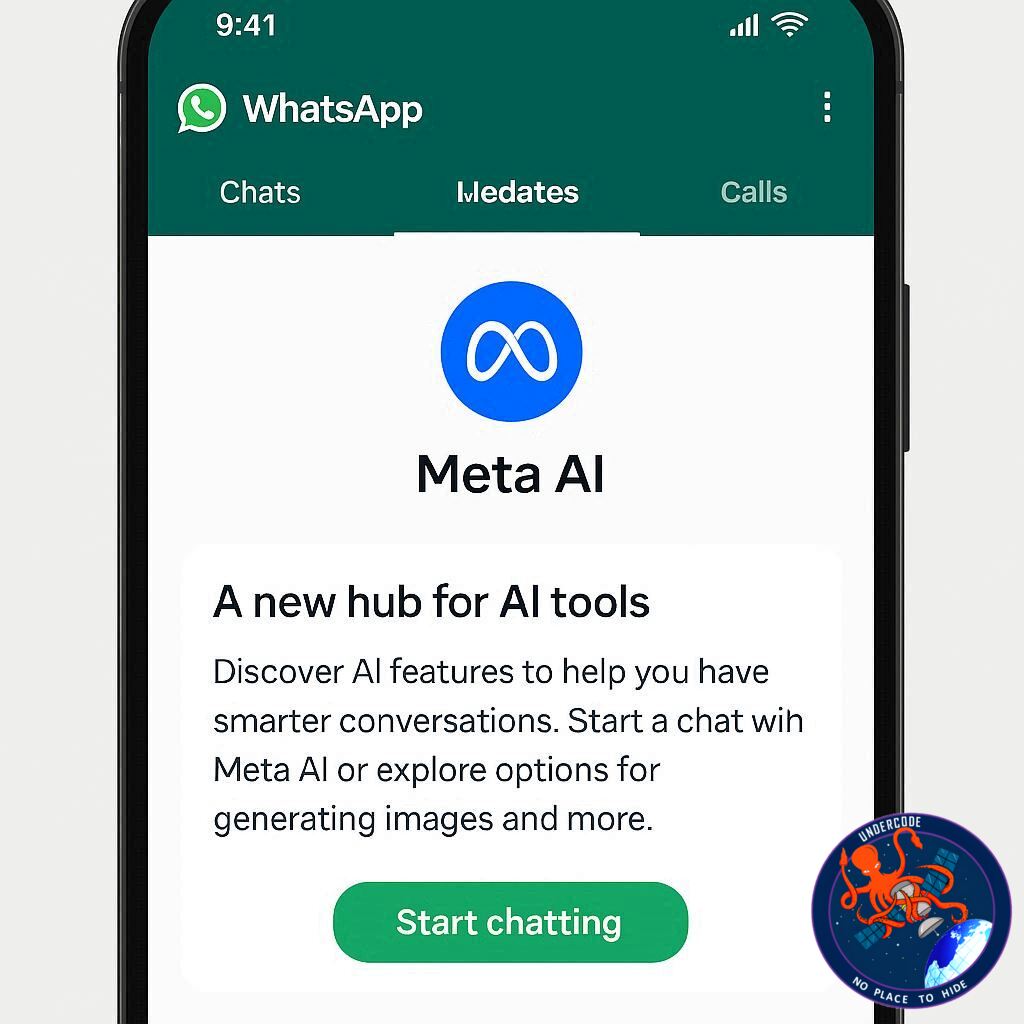
Messaging apps are evolving rapidly, and artificial intelligence is becoming a core part of that transformation. As tech companies race to integrate smarter tools into everyday communication platforms, WhatsApp is taking a significant step forward. In its latest beta updates for Android, the platform is introducing a brand-new Meta AI tab, designed to act as a centralized hub where users can interact with AI-powered features directly within the app.
The update signals a broader strategy by Meta Platforms to embed artificial intelligence deeply into its ecosystem of services. While some of these features are still in development or gradually rolling out to testers, they reveal how WhatsApp is reshaping the messaging experience. From AI-powered chats and image generation to new analytics for channel updates and parental account management tools, this week’s beta updates introduce a wide range of improvements that could significantly change how users interact with the platform.
WhatsApp Beta Updates Bring a Wave of New Features
Recent beta releases of WhatsApp have introduced several updates aimed at improving usability, analytics, and safety. These weekly updates offer insight into features that may soon become part of the standard user experience.
The highlight of this week’s changes is the Meta AI tab, a new section that allows users to access artificial intelligence tools directly from the main navigation interface. Instead of scattered AI features across different sections, this tab gathers them into one dedicated hub. Users can quickly open conversations with Meta AI, generate images, or even access AI-based voice interactions without leaving the messaging app.
However, to make space for this addition, WhatsApp has removed the Communities tab from the main navigation bar. Community management features are still available but have been integrated into the Chats tab, where users can create and manage community group chats and filter them using preset lists.
Another concept currently being explored involves customizable navigation tabs. In this design concept, users could select which tabs appear in the navigation bar, with a limit of five tabs visible at once. Essential tabs such as Chats, Updates, and Calls would remain permanently accessible because they represent the platform’s core functionality. This feature could provide greater personalization and allow users to tailor the interface according to their preferences.
Beyond interface changes, WhatsApp is also improving channel analytics. A new feature in the Android beta version now displays how many times a channel update has been forwarded. This metric offers channel administrators valuable insights into how widely their content spreads beyond their immediate audience.
Interestingly, similar functionality is now appearing in the iOS beta version as well. Users can see the forward count for updates within any channel, including the official WhatsApp channel. Previously, this type of analytics data was only visible to channel administrators, but the new feature makes it available to all followers. This change transforms private performance metrics into publicly visible insights, allowing users to understand which posts gain the most traction.
Another important development focuses on parent-managed accounts. WhatsApp is introducing tools that allow parents or guardians to oversee a child’s account activity. A parent can link their account with their child’s through a secure setup process that includes verification steps. Messages from unknown senders are automatically placed into a special “Requests” inbox. Parents can review and approve these requests and monitor reports related to suspicious or unwanted contacts.
The platform is also exploring subscription plans for Meta AI. At the moment, users can interact with Meta AI for free. However, WhatsApp is testing the possibility of offering premium subscription tiers. These plans could provide benefits such as faster responses, access to advanced AI models, and higher interaction limits.
Importantly, the subscription would remain optional. Free access to Meta AI would still be available to all users, similar to how AI tools are offered by services like ChatGPT and Gemini. Users who require more advanced capabilities or higher usage limits may choose to subscribe to these future plans.
Finally, WhatsApp is experimenting with a feature that places status updates at the top of the Chats tab. When users open the app, they would immediately see up to three recent status updates from their contacts. Scrolling downward would reveal a full horizontal list of statuses above the chat list, making them easier to discover without switching tabs. This feature is still in early development and may or may not become part of the final release depending on testing results.
What Undercode Say:
AI Integration Signals WhatsApp’s Strategic Shift
The introduction of the Meta AI tab reflects a broader transformation happening across the tech industry. Messaging platforms are no longer just communication tools; they are becoming AI-driven digital assistants embedded into daily conversations. By integrating artificial intelligence directly into the app interface, WhatsApp aims to reduce friction between communication and productivity.
For users, this means AI tools become instantly accessible in the same environment where conversations happen. Instead of opening separate apps or services, people can generate images, ask questions, or perform AI-assisted tasks inside the messaging interface itself.
Centralized AI Hubs Could Change User Behavior
The decision to create a dedicated AI tab suggests that Meta wants to normalize AI interaction as a core part of messaging behavior. Previously, AI features were often hidden behind chatbots or optional integrations. Now they are being placed front and center.
This could gradually reshape how people use messaging apps. Instead of simply chatting with friends, users may increasingly rely on AI for quick answers, creative tools, and productivity tasks while staying inside WhatsApp.
Removing the Communities Tab Reveals Product Priorities
Replacing the Communities tab with the Meta AI hub sends a clear signal about priorities. Communities were introduced as a way to organize large group discussions, but AI now appears to be a more strategic focus.
From a product perspective, AI has greater long-term potential. It can power multiple services simultaneously: chat assistance, content generation, moderation, translation, and automated workflows. Communities, by contrast, remain a niche feature compared to the universal appeal of AI tools.
Public Channel Analytics Could Influence Content Strategy
The decision to reveal forward counts to all channel followers is another interesting change. When performance metrics become visible, they influence user behavior. Content creators may start competing for higher forward numbers, similar to how likes and shares affect engagement on social media platforms.
This transparency could also help users identify trending or widely shared updates quickly. In effect, WhatsApp channels might start behaving more like social media feeds where virality becomes measurable.
Parent-Managed Accounts Show Growing Safety Concerns
The introduction of parent-managed accounts highlights increasing attention toward child safety in messaging platforms. As younger users join messaging apps earlier than ever, platforms face pressure to provide tools that allow parental supervision without completely restricting access.
The Requests inbox for unknown contacts is particularly important. It creates a buffer between children and unsolicited messages, reducing exposure to spam or potentially harmful interactions.
Subscription AI Models Reflect the Monetization Strategy
Testing subscription tiers for Meta AI suggests a familiar monetization strategy. Free access ensures widespread adoption, while premium plans generate revenue from power users who need higher limits or faster responses.
This hybrid approach mirrors trends across the AI industry. Companies aim to balance accessibility with profitability, offering basic AI capabilities for free while charging for advanced features.
Interface Experiments Show WhatsApp’s Continuous Evolution
Features like customizable navigation tabs and status updates within the Chats screen demonstrate that WhatsApp is still experimenting with interface design. Even though the app has billions of users, the platform continues to test new layouts and workflows.
These experiments help identify how people interact with messaging tools and allow developers to refine the experience based on real-world feedback from beta testers.
Fact Checker Results
✅ WhatsApp is testing a Meta AI tab in Android beta versions to centralize AI features.
✅ Channel forward counts are being introduced to improve visibility of content reach.
✅ Parent-managed accounts are being developed to provide oversight for younger users.
Prediction
🔮 AI will likely become a permanent core feature inside messaging apps, not just an optional tool.
📱 Future versions of WhatsApp may integrate AI assistants directly into chats and group conversations.
🚀 Subscription-based AI services inside messaging platforms could become a major revenue stream for tech companies.
🕵️📝✔️Let’s dive deep and fact‑check.
References:
Reported By: wabetainfo.com
Extra Source Hub (Possible Sources for article):
https://www.stackexchange.com
Wikipedia
OpenAi & Undercode AI
Image Source:
Unsplash
Undercode AI DI v2
Bing
🔐JOIN OUR CYBER WORLD [ CVE News • HackMonitor • UndercodeNews ]
📢 Follow UndercodeNews & Stay Tuned:
𝕏 formerly Twitter 🐦 | @ Threads | 🔗 Linkedin | 🦋BlueSky | 🐘Mastodon


