
Listen to this Post
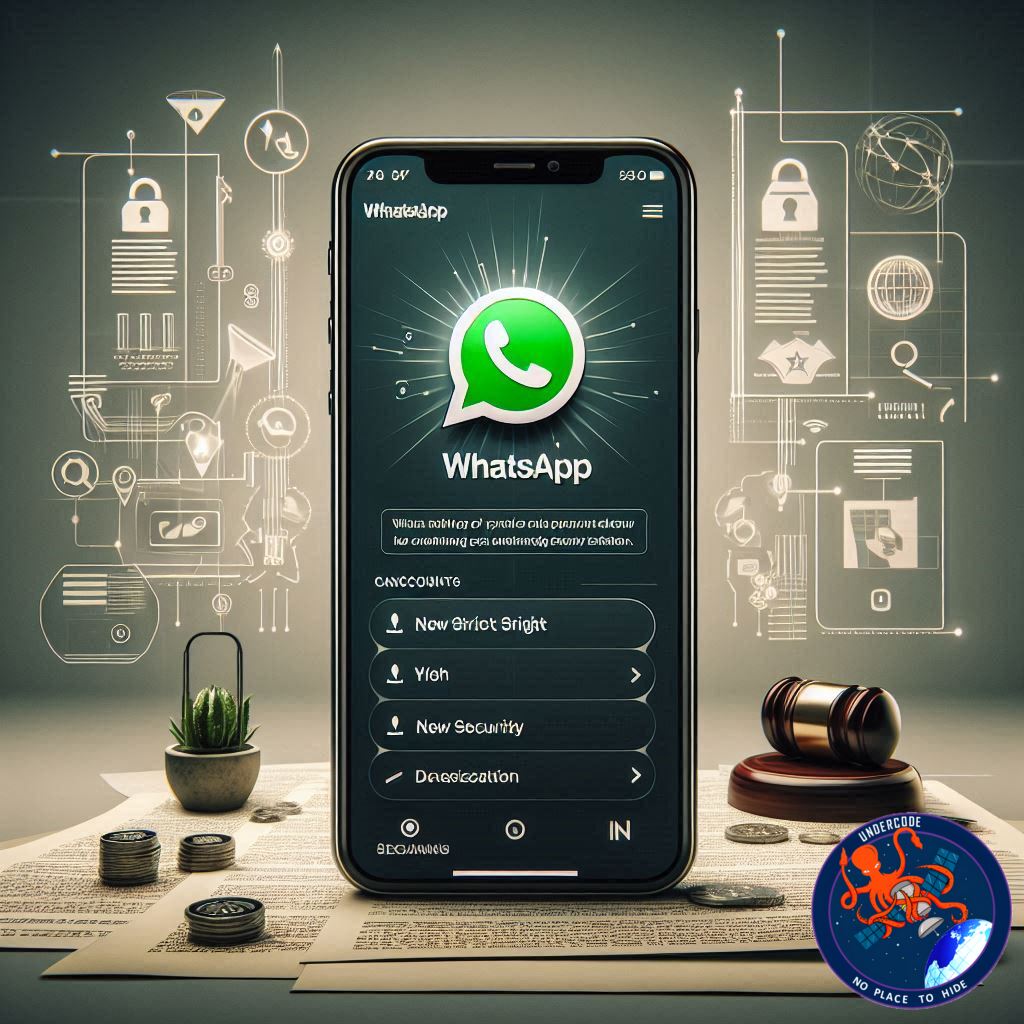
Introduction: A Privacy Battle Rekindled in the Spotlight
WhatsApp has once again found itself at the center of a global privacy debate, triggered by public criticism, legal action, and rising fears over digital surveillance. Just hours after WhatsApp chief Will Cathcart publicly rebuked Elon Musk for spreading what he called “totally false” claims about the app’s security, the Meta-owned platform announced a new protection layer called Strict Account Settings. The move signals a strategic effort to reinforce trust, especially as scrutiny intensifies around end-to-end encryption and alleged access to private user data.
Core Update: What the Original Reveals
The article details how WhatsApp launched Strict Account Settings as a lockdown-style security feature designed to shield users from highly sophisticated cyber threats. According to WhatsApp, this feature is aimed particularly at high-risk individuals such as journalists, activists, and public figures who may be targeted by advanced spyware or cyber-espionage tools. Once enabled, the setting forces the account into its most restrictive mode, limiting how the app functions in everyday use. This includes blocking all attachments and media from unknown contacts, reducing the risk of malicious files or exploits delivered through messages. WhatsApp reaffirmed its long-standing stance that privacy is a fundamental right, emphasizing that end-to-end encryption remains enabled by default and ensures that only the sender and recipient can read messages. The company also highlighted behind-the-scenes security investments, including the adoption of the Rust programming language to reduce memory-related vulnerabilities and harden defenses against spyware. The rollout of Strict Account Settings is gradual and will appear under Settings, then Privacy, then Advanced, once available. The timing of the feature is notable, arriving just one day after a class-action lawsuit accused WhatsApp of misleading users by allegedly maintaining backdoor access to encrypted chats. Plaintiffs claim the company can store, analyze, and access private communications despite its encryption claims. Meta has strongly denied the allegations, calling the lawsuit frivolous and legally absurd. Company spokesperson Andy Stone insisted that WhatsApp messages have been protected by the Signal protocol for over a decade. Cathcart went further, accusing the law firm behind the case of previously defending NSO Group, a spyware company linked to attacks on journalists and government officials. He reiterated that encryption keys are stored only on users’ devices, making message access by WhatsApp technically impossible.
What Undercode Say: Security Theater or Strategic Reinforcement
The introduction of Strict Account Settings is not just a technical update, it is a narrative counteroffensive. WhatsApp is clearly responding to a convergence of pressure points: public misinformation, reputational risk, and legal confrontation. By rolling out a feature that visibly restricts functionality in the name of security, the company is attempting to make privacy tangible rather than abstract.
From a technical standpoint, the feature does not change WhatsApp’s encryption model, but it reduces attack surfaces. Blocking attachments from unknown contacts directly targets one of the most common spyware delivery vectors. This is a pragmatic move, especially in a world where zero-click exploits have become more common and more dangerous. The emphasis on Rust is also telling. Rust’s memory safety advantages are well known in security circles, and WhatsApp highlighting it suggests a deliberate attempt to speak to experts, not just everyday users.
However, there is an unavoidable optics problem. Launching a “strict” security mode right after being accused of backdoor access can look reactive, even defensive. Critics may argue that no amount of interface-level restrictions addresses the core accusation of server-side access. WhatsApp’s response relies heavily on cryptographic architecture, specifically the Signal protocol and device-held keys. If these claims are accurate, the lawsuit faces a steep technical uphill battle.
The public clash with Elon Musk adds another layer. When influential figures question encryption in broad strokes, the damage spreads faster than any court filing. Cathcart’s sharp rebuttal suggests WhatsApp understands that perception can be as dangerous as actual vulnerabilities. This feature, therefore, functions as both protection and proof.
Yet, Strict Account Settings also expose a quiet truth. Maximum security often comes at the cost of convenience. By limiting media sharing and interactions, WhatsApp implicitly admits that everyday usability and extreme security are trade-offs, not guarantees. This honesty, intentional or not, may ultimately strengthen trust among users who prefer transparency over marketing slogans.
In the broader Meta ecosystem, this move also serves as insulation. With regulators increasingly hostile to opaque data practices, demonstrating proactive security hardening helps frame WhatsApp as a privacy-first outlier within a company often criticized for the opposite. Whether that framing holds will depend less on features and more on independent audits, legal outcomes, and continued technical disclosures.
Fact Checker Results
✅ WhatsApp uses end-to-end encryption based on the Signal protocol, with keys stored on user devices.
❌ No verified evidence currently supports claims that WhatsApp can read all user messages.
✅ Strict Account Settings is a real feature rolling out gradually through in-app privacy settings.
Prediction
📊 Expect WhatsApp to expand Strict Account Settings with granular controls as legal and regulatory pressure grows.
📊 Independent security audits may become more visible to counter ongoing skepticism.
📊 Privacy-focused users and journalists are likely to adopt the feature first, setting a precedent for wider use.
▶️ Related Video (86% Match):
🕵️📝✔️Let’s dive deep and fact‑check.
References:
Reported By: timesofindia.indiatimes.com
Extra Source Hub (Possible Sources for article):
https://www.instagram.com
Wikipedia
OpenAi & Undercode AI
Image Source:
Unsplash
Undercode AI DI v2
Bing
🔐JOIN OUR CYBER WORLD [ CVE News • HackMonitor • UndercodeNews ]
📢 Follow UndercodeNews & Stay Tuned:
𝕏 formerly Twitter 🐦 | @ Threads | 🔗 Linkedin | 🦋BlueSky | 🐘Mastodon


