
Listen to this Post
Introduction: A Subtle Change That Transforms How Chats Feel
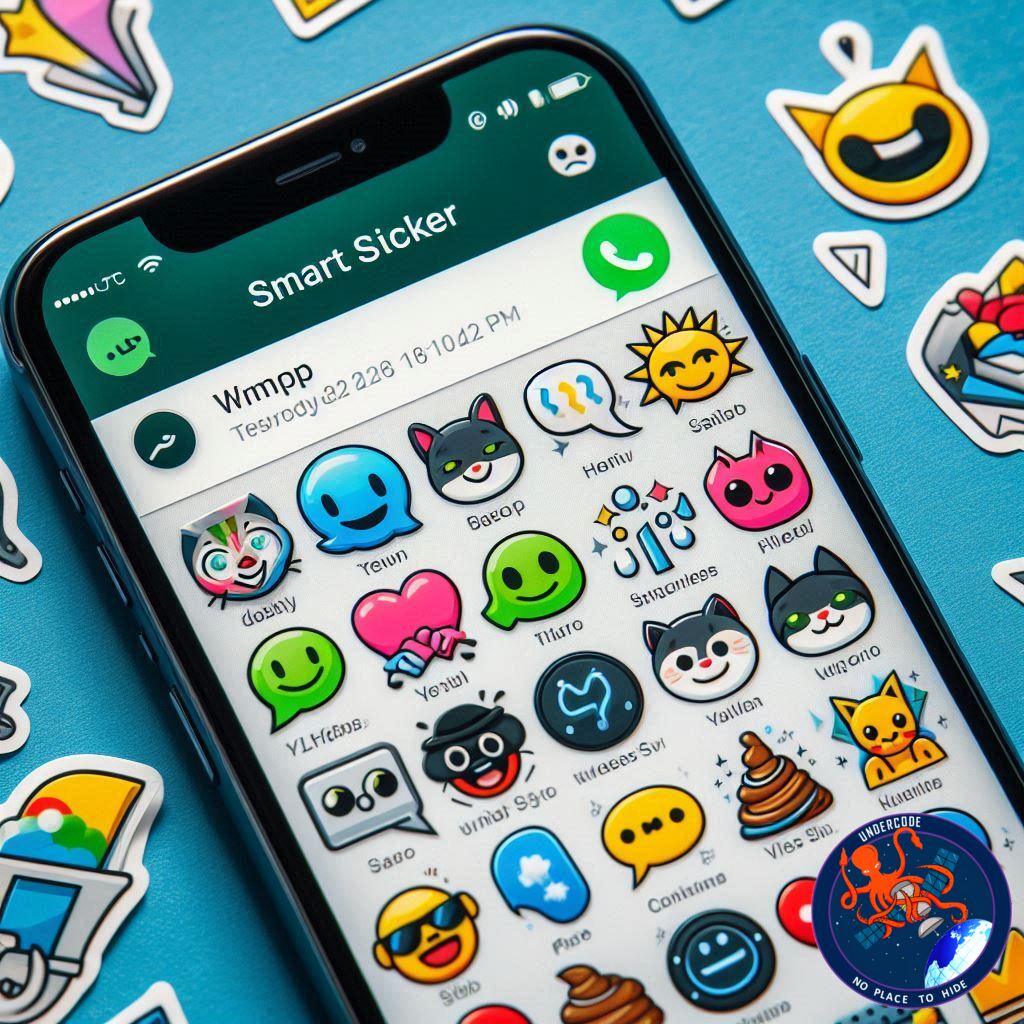
WhatsApp continues to refine its messaging experience with small but meaningful updates, and the latest iOS beta release is a clear example of that strategy. With version 26.1.10.72 now available through Apple’s TestFlight program, WhatsApp is experimenting with a smarter, faster way to use stickers directly from the chat bar. Instead of forcing users to pause a conversation to browse sticker packs, the app now attempts to anticipate what users want to send. This update focuses on convenience, speed, and expressive communication, signaling WhatsApp’s ongoing effort to align iOS and Android feature sets while making everyday conversations feel more fluid and intuitive.
Update Overview: WhatsApp Beta for iOS 26.1.10.72
The new beta update introduces a feature called sticker suggestions, currently rolling out to a limited number of testers. As users type emojis into the message field, WhatsApp may instantly surface relevant sticker previews that match the meaning of those emojis. This functionality mirrors what has already appeared in recent Android beta builds, but it has now been adapted specifically for the iOS interface. Although the update is marked as compatible with version 26.1.10.72, some users on slightly older beta builds may also see the feature activated, depending on server-side rollout decisions.
Feature Name: Sticker Suggestions
Sticker suggestions are designed to reduce friction during chats by displaying relevant stickers directly in the typing area. Instead of navigating the sticker keyboard, users can send a sticker with a single tap while composing a message. This makes visual responses quicker and more spontaneous, especially in fast-moving conversations.
Rollout Status: Gradual Availability
At the moment, sticker suggestions are not enabled for all beta testers. WhatsApp is gradually expanding access to monitor performance, usability, and potential issues. In rare cases, a small number of users on the stable App Store version may also encounter the feature, indicating server-controlled experimentation.
Platform Compatibility: iOS Beta Focus
The feature is officially tied to WhatsApp beta for iOS 26.1.10.72, distributed via TestFlight. However, WhatsApp’s backend configuration means compatibility is not strictly limited to this single build, allowing flexibility during testing phases.
Original Summary
The original article explains that WhatsApp has released a new beta update for iOS, version 26.1.10.72, introducing sticker suggestions while typing messages. This feature builds upon emoji input by showing relevant sticker previews directly in the chat bar, eliminating the need to manually browse sticker packs. It highlights that the functionality was previously announced for Android beta users and is now being adapted for iOS to ensure feature consistency across platforms. The article describes how sticker suggestions appear dynamically as users type emojis, allowing them to send a sticker instantly with a single tap. It also explains that the system relies on predefined emoji associations assigned during sticker creation, meaning only stickers with proper metadata can appear as suggestions. Third-party sticker creation apps already support these associations, while WhatsApp’s built-in sticker editor currently does not, limiting visibility for internally created stickers. Additionally, the article notes that all official sticker packs from the WhatsApp Sticker Store are fully compatible. From a usability perspective, the feature is positioned as a way to make conversations faster, smoother, and more expressive by reducing interruptions during chats. Finally, the article emphasizes that availability is limited to some beta testers for now, with a gradual rollout planned over the coming weeks as WhatsApp evaluates performance and user feedback.
User Experience Shift: Stickers Without Interruption
One of the most noticeable impacts of this update is how it changes chat flow. Users no longer need to stop typing, open the sticker panel, scroll through multiple packs, and then return to the conversation. Instead, stickers appear organically as part of the typing process, keeping replies fast and natural.
Emoji as a Discovery Tool
Emojis now act as triggers rather than just visual symbols. By typing a single emoji, users can surface stickers that match emotions, reactions, or gestures. This transforms emojis into a bridge between text input and visual expression, making them more functional than before.
Rediscovering Forgotten Stickers
Many users accumulate dozens of sticker packs over time, most of which are rarely revisited. Sticker suggestions help resurface older or forgotten stickers by linking them to common emoji inputs. This increases the practical value of existing sticker libraries without adding clutter.
Metadata and Smart Filtering
The system depends heavily on emoji-to-sticker associations defined during sticker creation. This ensures suggestions remain relevant and prevents random or unrelated stickers from appearing. It also allows WhatsApp to efficiently filter results even for users with extensive sticker collections.
Third-Party Sticker Apps Gain an Advantage
Sticker packs created using third-party tools often include multiple emoji associations per sticker. As a result, these packs are more likely to appear in suggestions, giving them an edge over stickers created with WhatsApp’s internal editor, which currently lacks this capability.
Limitations of the Built-In Sticker Editor
Stickers made with WhatsApp’s own editor on iOS are excluded from suggestions due to missing emoji metadata. This creates a noticeable gap in functionality and may push WhatsApp to enhance its internal tools in future updates.
Consistency Between Android and iOS
By bringing sticker suggestions to iOS, WhatsApp continues its effort to reduce feature fragmentation across platforms. This consistency is important for users who switch devices or communicate across ecosystems, as it ensures similar interaction patterns everywhere.
Performance and Testing Considerations
A gradual rollout allows WhatsApp to monitor how sticker suggestions affect app performance, especially during rapid typing. Real-time suggestions must remain lightweight to avoid lag or distraction, making beta testing critical.
What Undercode Say:
A Strategic Focus on Micro-Interactions
This update highlights WhatsApp’s increasing attention to micro-interactions, the small moments that define daily app usage. Sticker suggestions may seem minor, but they directly influence how natural and enjoyable conversations feel.
Speed as a Core Design Principle
By reducing the steps required to send a sticker, WhatsApp is prioritizing speed. In modern messaging, even small delays can disrupt conversational rhythm, and this feature directly addresses that issue.
Visual Communication Takes Priority
The update reinforces a broader trend toward visual-first communication. Stickers, emojis, and reactions are becoming as important as text, especially among younger users and in informal chats.
Backend Intelligence Over UI Complexity
Rather than adding new buttons or menus, WhatsApp relies on backend logic and metadata. This keeps the interface clean while delivering smarter functionality behind the scenes.
Encouraging Sticker Ecosystem Growth
Sticker suggestions incentivize creators to properly tag stickers with emojis. Over time, this could improve overall sticker quality and relevance across the platform.
Competitive Parity With Other Messengers
Messaging rivals already emphasize quick-access visual responses. By refining sticker usage, WhatsApp protects its competitive position without radically changing its interface.
Gradual Rollouts as Risk Management
Limiting access during early stages reduces the risk of widespread bugs or negative feedback. It also allows WhatsApp to fine-tune suggestion accuracy before full deployment.
Potential Data and Privacy Considerations
Although suggestions are metadata-driven, WhatsApp must ensure that typing behavior is processed securely and efficiently. Maintaining user trust remains essential.
A Push Toward Smarter Defaults
Instead of relying on users to search, WhatsApp increasingly tries to predict intent. This reflects a shift toward intelligent defaults rather than manual discovery.
Implications for Accessibility
Fewer taps and less navigation can benefit users with motor or visual limitations, making chats more accessible through simplified interactions.
Internal Tools Need Catch-Up
The absence of emoji associations in WhatsApp’s own sticker editor stands out. Improving this tool would close the loop and ensure fairness across sticker sources.
Long-Term Engagement Gains
By making stickers easier to use, WhatsApp subtly increases engagement time and emotional expression, both of which strengthen platform loyalty.
Minimalism With Impact
This update shows how minimal UI changes can deliver disproportionate value. No redesign is needed when intelligence does the heavy lifting.
Testing Before Mainstream Adoption
Beta testing on iOS ensures the feature adapts well to Apple’s interaction patterns, which differ subtly from Android.
A Foundation for Future Enhancements
Sticker suggestions could later expand to GIFs, avatars, or even AI-generated visuals, making this update a foundational step rather than a final one.
Fact Checker Results
Feature Availability
The sticker suggestion feature is confirmed to be rolling out to some beta testers only. ✅
Platform Consistency
The feature aligns with functionality already tested on Android beta versions. ✅
Sticker Editor Limitation
WhatsApp’s built-in sticker editor currently lacks emoji association support. ❌
Prediction
Wider Beta Expansion
WhatsApp is likely to expand sticker suggestions to all iOS beta users once stability is confirmed 📈
Built-In Editor Upgrade
Emoji tagging support for the internal sticker editor is expected in future updates 🛠️
Stable Release Timeline
A public release on the App Store could follow within a few update cycles if feedback remains positive 🚀
🕵️📝✔️Let’s dive deep and fact‑check.
References:
Reported By: wabetainfo.com
Extra Source Hub (Possible Sources for article):
https://www.quora.com
Wikipedia
OpenAi & Undercode AI
Image Source:
Unsplash
Undercode AI DI v2
Bing
🔐JOIN OUR CYBER WORLD [ CVE News • HackMonitor • UndercodeNews ]
📢 Follow UndercodeNews & Stay Tuned:
𝕏 formerly Twitter 🐦 | @ Threads | 🔗 Linkedin | 🦋BlueSky | 🐘Mastodon


