
Listen to this Post
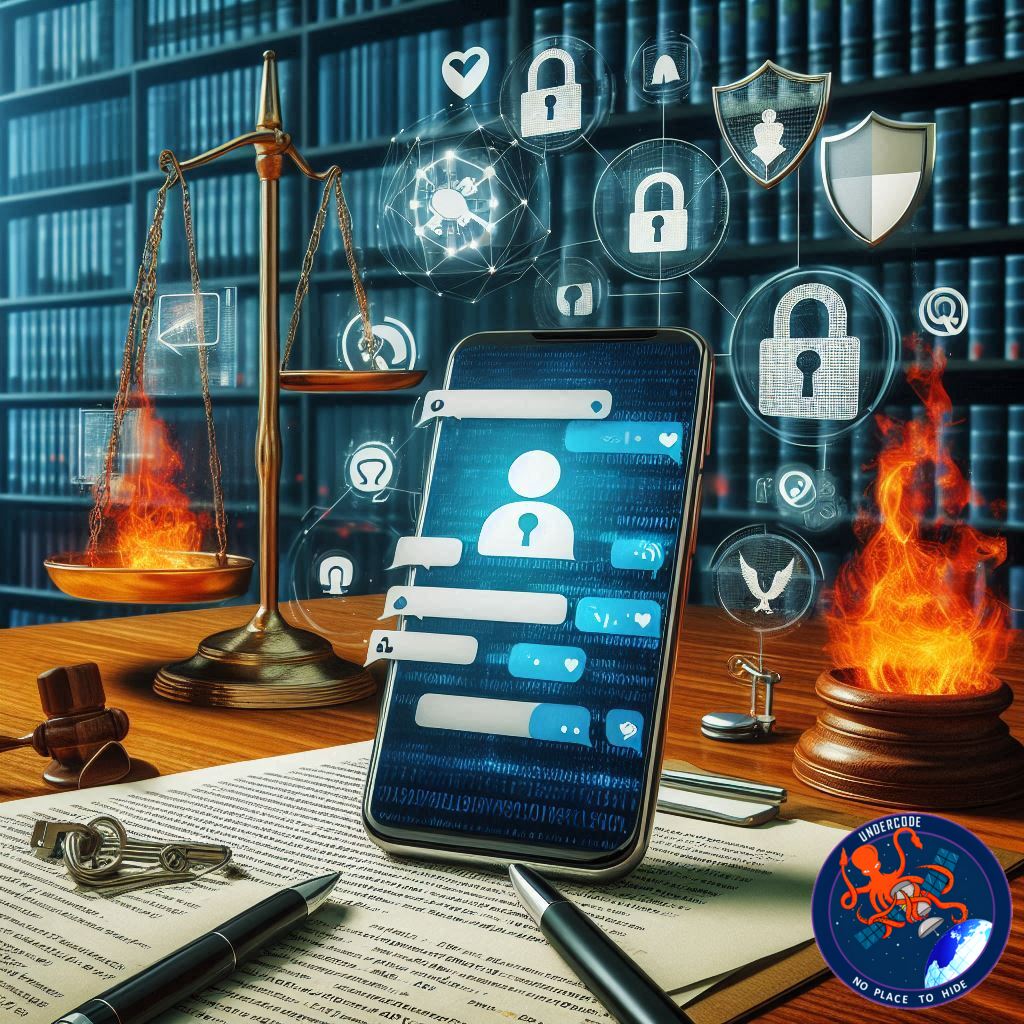
Introduction: A Core Promise Now in Doubt
WhatsApp has spent years building its reputation on a single, powerful promise: that messages sent on the platform are fully private, protected by end-to-end encryption, and unreadable by anyone other than the sender and recipient. That assurance has been repeated by Meta executives, reinforced inside the app itself, and trusted by billions of users worldwide. Now, a new lawsuit filed in the United States is directly challenging that narrative, raising uncomfortable questions about whether WhatsApp’s privacy guarantees truly match how the platform operates behind the scenes.
Background: The Lawsuit That Sparked Global Attention
An international group of plaintiffs has filed a lawsuit against Meta Platforms, Inc. in a US District Court in San Francisco, accusing the company of misleading users about WhatsApp message privacy. According to reports, the plaintiffs allege that Meta and WhatsApp are capable of storing, analyzing, and accessing a significant portion of user messages that are presented as private. Meta has strongly denied the claims, calling the case baseless and signaling plans to seek sanctions against the plaintiffs’ lawyers.
WhatsApp’s Encryption Promise Explained
End-to-end encryption has long been positioned as the backbone of WhatsApp’s security model. Meta has repeatedly stated that this technology ensures messages can only be read by the people involved in the conversation, excluding third parties, hackers, and even WhatsApp itself. Inside the app, users are reminded of this promise at the top of chats, where WhatsApp explicitly states that messages are private and protected by encryption by default.
Summary of the Original
The lawsuit claims that Meta’s public assurances about WhatsApp privacy are misleading and potentially false. Plaintiffs from Australia, Brazil, India, Mexico, and South Africa argue that Meta can access many messages users believe are private and that the company stores these messages in ways that allow internal access. The case reportedly relies on information provided by whistleblowers, suggesting that employees may have visibility into user communications. Meta has rejected these accusations, describing the lawsuit as frivolous. This legal challenge follows a previous lawsuit filed in September last year by WhatsApp’s former head of security, Attaullah Baig, who alleged systemic cybersecurity failures within the company. Baig claimed that roughly 1,500 WhatsApp engineers had unrestricted access to sensitive user data, with little oversight or auditability. Alongside these legal issues, Meta has also faced criticism over its expanding advertising strategy, including personalized ads linked to Meta AI interactions and the introduction of ads into WhatsApp’s Status feature, further intensifying concerns about how user data is handled across Meta’s ecosystem.
The Whistleblower Factor
A key element of the lawsuit is the reliance on whistleblower testimony. Plaintiffs argue that insider accounts contradict Meta’s public claims, suggesting that internal access to user data is broader than users are led to believe.
Meta’s Official Response
Meta has firmly denied the allegations, stating that WhatsApp’s encryption works as described and that the lawsuit lacks merit. Company representatives have emphasized that the claims misunderstand how the technology operates.
Past Legal Trouble Resurfaces
The case has revived attention around Attaullah Baig’s earlier lawsuit, which alleged deep-rooted cybersecurity weaknesses and excessive internal access to user data within WhatsApp’s infrastructure.
Advertising and Privacy Collide
Meta’s recent moves to introduce ads into WhatsApp and personalize advertising using Meta AI interactions have fueled skepticism, especially as the company continues to insist that message content remains private.
What Undercode Say:
Trust as a Product Feature
WhatsApp does not just sell a messaging app; it sells trust. End-to-end encryption is not a technical footnote but a core product feature that defines why users choose WhatsApp over competitors.
Encryption vs. Implementation
Even if encryption is technically sound, questions remain about implementation details, metadata handling, backups, and internal access points that may fall outside the narrow definition of message content.
The Metadata Blind Spot
Many users conflate encrypted messages with total anonymity. In reality, metadata such as timestamps, contacts, and interaction patterns can still reveal a great deal, even when message content is encrypted.
Whistleblowers Change the Narrative
Whistleblower claims carry weight because they suggest gaps between public statements and internal realities. Courts tend to take such disclosures seriously, especially when supported by documentation.
Scale Magnifies Risk
With billions of users, even a small internal access loophole can have massive implications. At Meta’s scale, systemic issues do not remain isolated for long.
Internal Access and Oversight
If thousands of engineers truly had broad access to user data, as alleged in past lawsuits, that points to governance failures rather than purely technical ones.
Legal Pressure as a Forcing Function
Historically, major privacy improvements at tech giants have often followed lawsuits, not voluntary reforms. This case could become another catalyst.
Advertising Strategy Raises Red Flags
Introducing ads into WhatsApp while defending strict privacy boundaries creates a perception problem. Users naturally question how personalization works without deeper data access.
Regulatory Attention Will Grow
Global regulators are already skeptical of Big Tech privacy claims. A high-profile lawsuit adds fuel to existing regulatory scrutiny in multiple jurisdictions.
User Perception Matters More Than Verdicts
Even if Meta wins in court, public trust may still erode. Privacy reputations are fragile and difficult to rebuild once shaken.
Transparency as Damage Control
Clear, technical transparency could help Meta, but vague reassurances may no longer satisfy users who are increasingly privacy-literate.
Encryption Messaging Under the Microscope
This case may force the industry to be more precise in how encryption claims are communicated, avoiding overly broad or simplistic assurances.
Industry-Wide Implications
If Meta’s claims are successfully challenged, other platforms using similar language may face legal and reputational fallout.
The Cost of Ambiguity
Ambiguous privacy promises are no longer safe. Courts, regulators, and users now expect exact definitions and enforceable guarantees.
A Test Case for Big Tech Accountability
Beyond WhatsApp, this lawsuit represents a broader test of whether Big Tech can be held accountable for how it frames privacy to the public.
Fact Checker Results
✅ WhatsApp does use end-to-end encryption for message content by default.
❌ Claims that Meta routinely reads all WhatsApp messages remain unproven in court.
✅ Past lawsuits and whistleblower allegations confirm internal access concerns have been raised before.
Prediction
🔮 Increased regulatory scrutiny of WhatsApp’s privacy claims across multiple countries.
🔮 Meta will be pushed toward more detailed technical disclosures about encryption and data access.
🔮 User demand for alternative, transparency-focused messaging platforms will continue to grow.
🕵️📝✔️Let’s dive deep and fact‑check.
References:
Reported By: zeenews.india.com
Extra Source Hub (Possible Sources for article):
https://www.digitaltrends.com
Wikipedia
OpenAi & Undercode AI
Image Source:
Unsplash
Undercode AI DI v2
Bing
🔐JOIN OUR CYBER WORLD [ CVE News • HackMonitor • UndercodeNews ]
📢 Follow UndercodeNews & Stay Tuned:
𝕏 formerly Twitter 🐦 | @ Threads | 🔗 Linkedin | 🦋BlueSky | 🐘Mastodon


