
Listen to this Post
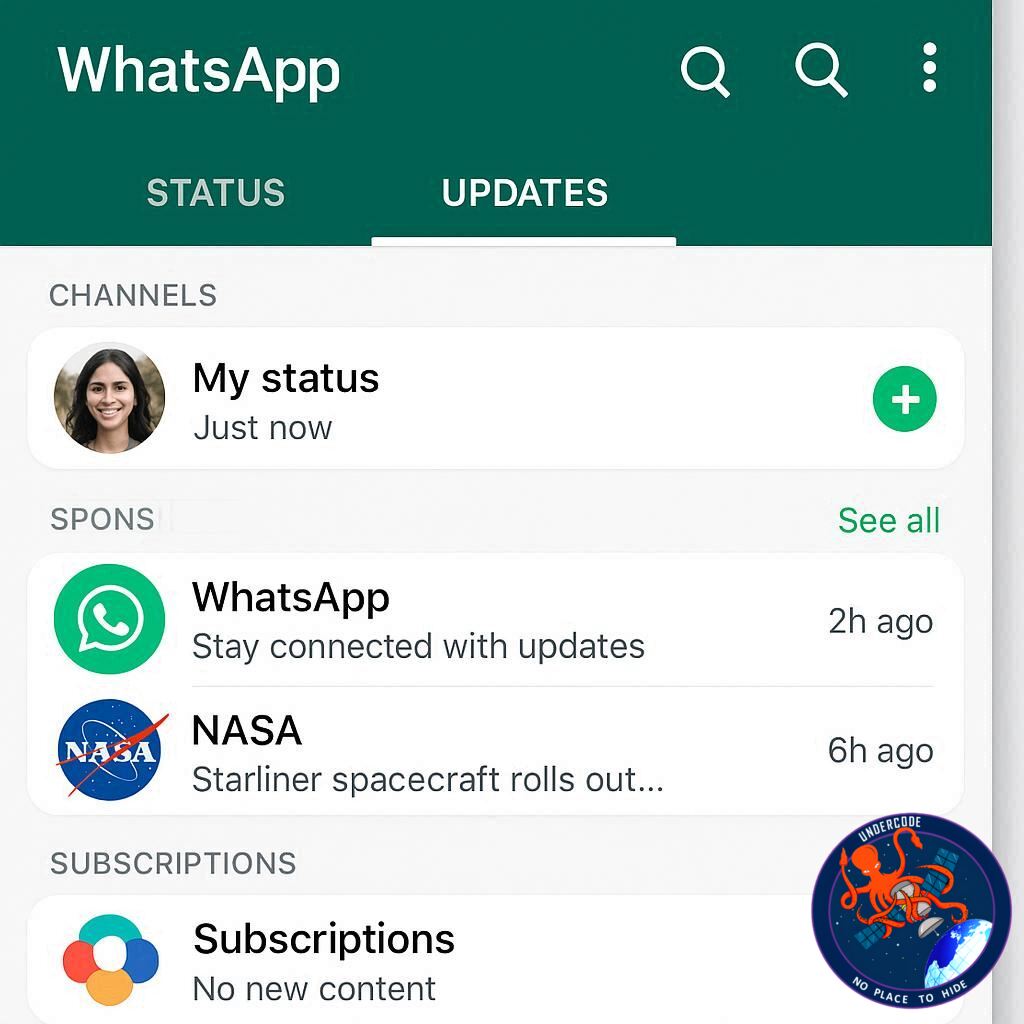
A New Era for WhatsApp Beyond Personal Chats
WhatsApp has long been the go-to app for private conversations, family group chats, and everyday connections. But in recent years, Meta has been quietly reshaping WhatsApp into more than just a messaging tool. The newly revamped Updates tab, home to both Channels and Status, is now being positioned as the commercial heart of the app. This shift brings in subscriptions, promoted channels, and privacy-conscious ads, marking WhatsApp’s biggest leap yet into the business-driven ecosystem.
Expanding the Updates Tab into a Business Hub
The Updates tab has become one of the most visited areas of the platform, engaging 1.5 billion people daily. Previously, this section was a mix of light personal content such as friends’ status updates and creator-led channels. Now, WhatsApp is layering in features designed to help businesses, creators, and organizations not only grow but also monetize their audiences.
Introducing Channel Subscriptions
WhatsApp is rolling out paid channel subscriptions, allowing users to support their favorite channels, news networks, or creators. For a monthly fee, subscribers will gain exclusive updates and perks, positioning WhatsApp as a viable alternative to platforms like Patreon, Telegram Premium, or YouTube Memberships.
Promoted Channels for Better Discovery
Another significant change comes with Promoted Channels. Until now, finding niche or interesting channels required users to search manually or stumble upon them. With promotion tools, admins will now have a way to boost visibility, effectively running campaigns that highlight their channels in user directories. This move opens up opportunities for creators and brands to attract followers beyond their existing base.
Ads Integrated into Status Updates
Perhaps the most noticeable feature is the introduction of ads within Status updates. Businesses will now be able to run ads directly in the Status section, enabling users to see a promotion and instantly start a chat with the advertiser. This bridges the gap between discovery and direct customer interaction, which has always been WhatsApp’s strongest selling point compared to other social platforms.
Privacy Remains Central
Meta is well aware of WhatsApp’s reputation as a privacy-first messaging app. To maintain trust, the company emphasizes that all personal messages, calls, and group chats will continue to remain end-to-end encrypted. Ads and promotions will rely on limited, non-sensitive information such as location, language, and followed channels. Additionally, Meta stresses that phone numbers will never be sold or shared with advertisers.
How Data Will Power Ads
Ads will be tailored using basic demographic data along with user interactions across WhatsApp. For users who have linked their Meta accounts via Accounts Center, ad targeting will also consider preferences across Facebook and Instagram. However, Meta insists that personal conversations and call data will not be used for advertising.
Slow Rollout Ahead
These changes won’t appear overnight. WhatsApp is rolling out the updates gradually in the coming months. Businesses and channel admins are encouraged to prepare, as the Updates tab could soon become the centerpiece of commerce, engagement, and monetization within WhatsApp.
What Undercode Say:
The changes announced by WhatsApp represent more than just new features—they mark a paradigm shift in how the app positions itself in the global social media ecosystem. For years, WhatsApp was deliberately kept free of intrusive business tools, unlike Facebook and Instagram. Now, Meta is carefully testing how to monetize WhatsApp without alienating its user base.
From a strategic perspective, three layers of analysis emerge:
1. Subscriptions as a Loyalty Tool
Paid subscriptions introduce recurring revenue streams for creators and businesses. Unlike traditional ads, this model rewards deep engagement. If successful, it could rival Telegram’s premium channels or even draw creators away from Patreon. The risk lies in pricing: WhatsApp users have been accustomed to free content, and adoption may be slow unless subscription perks feel truly valuable.
2. Promoted Channels as a Discovery Engine
Discovery has always been WhatsApp’s weak point. The introduction of promoted channels changes that by giving admins a growth lever. While this may benefit brands and large organizations, there’s a question of fairness: will small creators get drowned out by businesses with larger budgets? The balance between organic reach and paid visibility will determine the sustainability of this feature.
3. Ads in Status as the Real Moneymaker
Out of all the updates, ads within Status are the most commercially significant. Status is already one of WhatsApp’s most used features globally, making it an ideal entry point for ad delivery. If done right, these ads could be less intrusive than banner ads and far more effective since they connect directly to WhatsApp’s chat function. The challenge is execution—ads that feel spammy could push users away from Status altogether.
4. Privacy vs. Monetization
Meta is playing a delicate game. WhatsApp’s strongest value proposition has always been privacy-first communication. By limiting ad targeting data to location, language, and channel preferences, Meta is attempting to walk a fine line. The bigger question is whether users will trust Meta’s promises. Past controversies with Facebook’s data practices may fuel skepticism.
5. Market Implications
This shift positions WhatsApp closer to platforms like WeChat in China, which seamlessly blends communication, payments, and business. If executed well, WhatsApp could become a super app in regions like India, Brazil, and Africa—markets where it already dominates. For businesses, this could unlock an entirely new marketing channel that combines reach, trust, and direct interaction.
6. Risks of Monetization Fatigue
Users may resist if WhatsApp becomes overly commercial. Unlike Instagram, which thrives on influencer content, WhatsApp is still seen as a personal space. Meta’s promise to keep ads and subscriptions restricted to the Updates tab is crucial. If these business features bleed into personal chats, backlash could be swift.
7. The Long Game
Meta isn’t expecting overnight revenue. The gradual rollout suggests a test-and-learn approach, with potential adjustments based on user response. The Updates tab could eventually become WhatsApp’s central marketplace, but success hinges on keeping user trust intact while expanding monetization.
In conclusion, WhatsApp is entering uncharted territory. The Updates tab is no longer just about connecting with friends; it’s becoming a business gateway. If Meta gets the balance right, WhatsApp could reshape digital commerce in emerging markets. But if trust erodes, the backlash could undo years of growth.
Fact Checker Results
✅ Subscriptions, promoted channels, and ads are officially confirmed by WhatsApp.
✅ Privacy protections, including end-to-end encryption, remain intact.
❌ It’s not guaranteed that small creators will benefit equally from promoted channels.
Prediction
WhatsApp is on the path to becoming a super app, blending communication with commerce. Within the next two years, expect business adoption to skyrocket, with brands investing heavily in Status ads and promoted channels. Subscriptions will take longer to gain traction but could eventually create a creator economy inside WhatsApp that rivals other social platforms.
🕵️📝✔️Let’s dive deep and fact‑check.
References:
Reported By: about.fb.com
Extra Source Hub:
https://www.reddit.com/r/AskReddit
Wikipedia
OpenAi & Undercode AI
Image Source:
Unsplash
Undercode AI DI v2
🔐JOIN OUR CYBER WORLD [ CVE News • HackMonitor • UndercodeNews ]
📢 Follow UndercodeNews & Stay Tuned:
𝕏 formerly Twitter 🐦 | @ Threads | 🔗 Linkedin | 🦋BlueSky | 🐘Mastodon


