
Listen to this Post
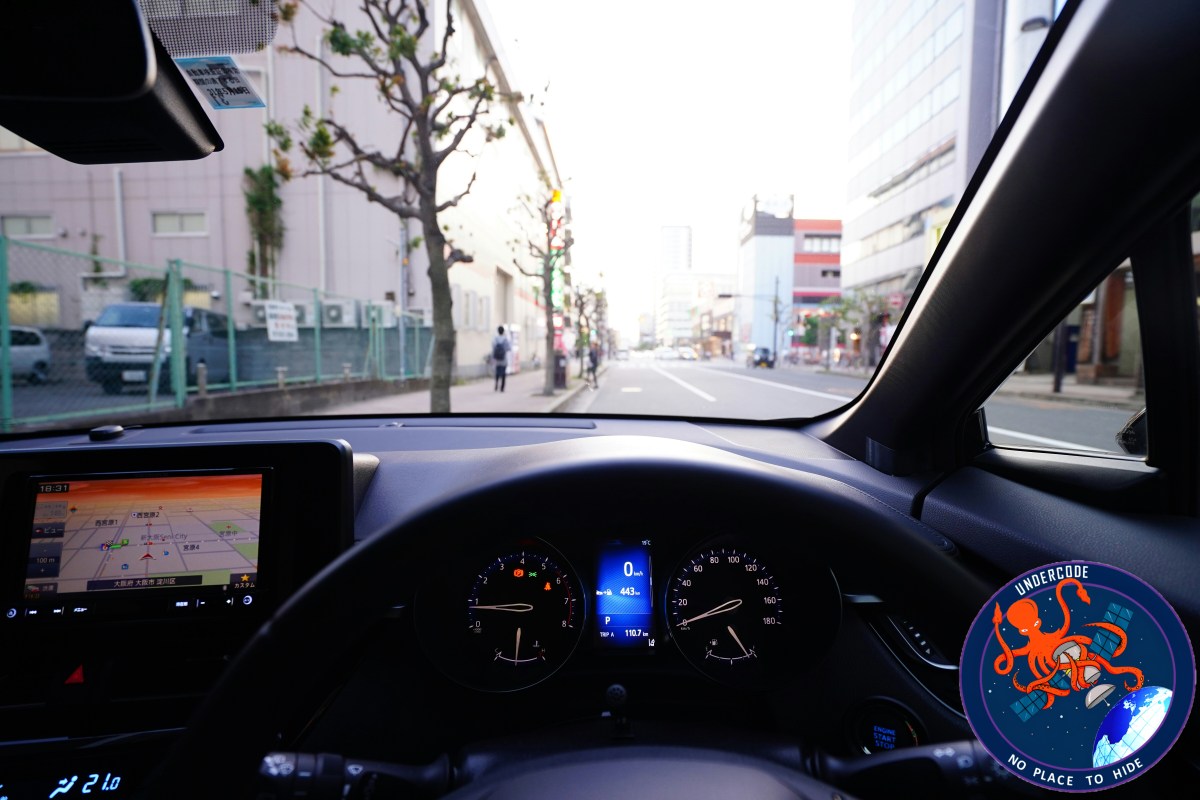
The Silent Invasion of Our Smart Cars
In an age where convenience meets connectivity, our cars have transformed from simple machines into rolling computers. We unlock them with apps, track them with GPS, and even start the engine remotely. Yet, this very convenience has opened a dangerous door. At this year’s Black Hat Conference in Las Vegas, cybersecurity experts reignited one of the most unsettling debates of the modern era: what happens when hackers take control of our vehicles?
The Jeep Cherokee once again became the poster child for automotive hacking. Security researchers Charlie Miller and Chris Valasek, already infamous for hijacking a Jeep on a live highway the year before, proved the nightmare wasn’t over. They sent false commands into the car’s internal network, overriding legitimate signals to steer, brake, and accelerate. It wasn’t a movie scene — it was real.
Brian Spector, CEO at MIRACL, warned that such incidents reveal a grave flaw in the automotive world: the inability to securely verify the identities of those using connected systems. “Having very limited encryption, identity management and data protection within such a powerful computer is extremely dangerous,” he explained. As driverless cars inch closer to mainstream use, the potential fallout of poor cybersecurity grows even more alarming.
So, what’s the solution? Spector proposed a radical shift — establishing secure, verified relationships between every component inside a car. Instead of relying on slow, centralized identity systems, vehicles should use distributed trust models that authorize commands in real-time. This would ensure that only legitimate operators control the car’s digital systems.
But there’s an even bigger question: are car manufacturers taking cybersecurity seriously at all? Richard Kirk, Senior Vice President at AlienVault, expressed skepticism. “There is no evidence that car manufacturers are taking cybersecurity seriously,” he said. Despite a wave of publicized hacks, companies have been silent about how they’re improving protection. Perhaps, he added, they should be boasting about their progress — because informed consumers are starting to ask difficult questions.
Until the auto industry adapts, car owners remain the last line of defense. Kirk recommended adopting digital hygiene habits similar to those used on personal devices: strong passwords, restricted access
Something went wrong while generating the response. If this issue persists please contact us through our help center at help.openai.com.
Retry
🕵️📝✔️Let’s dive deep and fact‑check.
References:
Reported By: www.itsecurityguru.org
Extra Source Hub (Possible Sources for article):
https://www.medium.com
Wikipedia
OpenAi & Undercode AI
Image Source:
Unsplash
Undercode AI DI v2
Bing
🔐JOIN OUR CYBER WORLD [ CVE News • HackMonitor • UndercodeNews ]
📢 Follow UndercodeNews & Stay Tuned:
𝕏 formerly Twitter 🐦 | @ Threads | 🔗 Linkedin | 🦋BlueSky | 🐘Mastodon


