
Listen to this Post
Introduction:
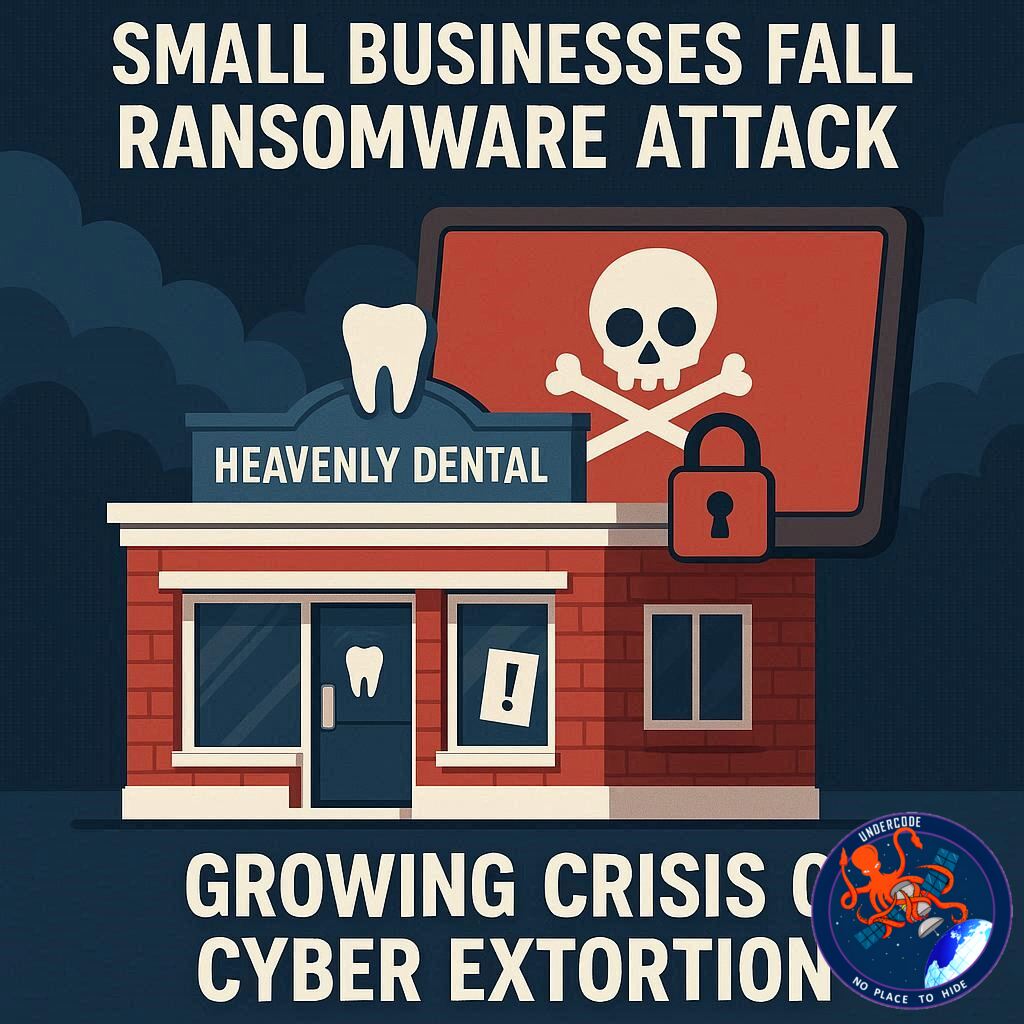
In the modern digital age, even the smallest companies are no longer invisible. Cybercriminals no longer chase only billion-dollar corporations — they hunt vulnerability itself. The recent attack on Heavenly Dental, a small U.S.-based dental service company generating under $5 million in annual revenue, is the latest chilling reminder that in the world of ransomware, size doesn’t matter — data does. As the ransomware group Obscura proudly announced the breach and data leak online, questions are rising about how smaller healthcare providers can defend themselves against this growing tide of cyber extortion.
The Attack: A Snapshot of Modern Cyber Vulnerability
A ransomware group known as Obscura recently claimed responsibility for a targeted attack on Heavenly Dental, a modest U.S. company operating in the healthcare sector. Reports confirm that the breach not only encrypted company files but also led to a confirmed data leak, publicly disclosed on underground forums.
The company, reportedly with annual revenues below $5 million, has been thrown into chaos as sensitive patient data, internal communications, and possibly financial information are believed to be compromised. The attackers allegedly demanded payment in cryptocurrency to prevent the public exposure of stolen files — a tactic becoming increasingly common in 2025’s digital threat landscape.
What’s particularly alarming is that Heavenly Dental is not an outlier. Across the U.S., thousands of small clinics, dental offices, and private practices lack robust cybersecurity infrastructure. Many run outdated software systems, operate with limited IT staff, and rely on third-party vendors for data storage and billing — a combination that makes them soft targets for ransomware groups like Obscura.
In this case, the data leak was publicly confirmed, a move often used by attackers to pressure victims into paying ransom or to gain notoriety within the cybercrime ecosystem. For healthcare providers, the implications go beyond financial loss. Exposed medical records can include private patient histories, insurance information, and even prescription data — all of which can be exploited or sold on dark web markets.
The Heavenly Dental incident highlights a troubling trend: cybercriminals are scaling down their targets. Instead of massive corporations that can afford world-class security, they focus on small-to-midsize enterprises with minimal defenses but valuable data. Obscura’s latest strike shows that ransomware gangs are optimizing their efforts — aiming for guaranteed returns from vulnerable, under-protected victims.
What Undercode Say:
This attack is more than just another entry in the ransomware hall of shame — it’s a mirror reflecting a deep systemic failure in how small businesses perceive cybersecurity.
Let’s break this down analytically.
First, the economics of ransomware have evolved. Groups like Obscura aren’t just hackers; they operate as structured businesses with departments, profit goals, and brand strategies. Their victims are strategically selected through digital reconnaissance — scanning the web for outdated systems, weak security certificates, or exposed servers. A dental clinic running an outdated patient management system from 2017 is low-hanging fruit.
Second, the healthcare sector remains one of the most data-rich yet least protected industries. While hospitals invest heavily in security audits and compliance checks, small dental and therapy clinics often operate on razor-thin margins. The cost of cybersecurity tools feels “optional” until disaster strikes — and when it does, the damage isn’t just technical. It’s emotional, reputational, and existential.
Third, public data leaks are becoming the new weapon of pressure. By publicly naming victims and leaking samples of their data, groups like Obscura use fear as leverage. It’s no longer just about encrypting systems — it’s about public humiliation, patient distrust, and regulatory backlash.
From a psychological angle, ransomware operates on terror economics. The attackers create panic, confusion, and moral urgency — often timing their demands when victims are most vulnerable, such as weekends or holidays. In the case of Heavenly Dental, the leak announcement coincided with a quiet business day, amplifying the chaos.
Furthermore, regulatory bodies are tightening their grip. Under HIPAA and other privacy laws, healthcare entities are legally obligated to report data breaches — even small ones. Failure to comply could mean fines or even criminal liability. This creates a legal double bind for victims: pay the ransom and potentially fund criminal activity, or refuse and face lawsuits from affected patients.
From a wider perspective, this attack underscores how cybercrime has democratized. You no longer need a sophisticated hacking setup to launch an attack — ransomware-as-a-service (RaaS) platforms sell plug-and-play attack kits for as little as a few hundred dollars. That means anyone, from a disgruntled ex-employee to a script kiddie, can become a “cybercriminal entrepreneur.”
The lesson here is both sobering and urgent: cybersecurity is not an IT cost — it’s a survival investment. For small businesses, especially in sensitive sectors like healthcare, a single data breach can end decades of trust overnight.
In response, experts recommend that small practices adopt Zero Trust Architecture, encrypt all patient data at rest and in transit, and invest in regular cybersecurity training for staff. Most breaches begin not with a system flaw, but with a single misplaced click.
What Heavenly Dental experienced could happen to any small enterprise that still views digital security as an afterthought. The next wave of cyberattacks won’t discriminate — they’ll simply follow the path of least resistance.
Fact Checker Results:
✅ Data leak confirmed and publicly disclosed by ransomware group Obscura.
✅ Target identified as U.S.-based company Heavenly Dental with under $5M revenue.
❌ No evidence yet of ransom payment or data recovery status.
Prediction: 🧠💻
Ransomware attacks on small U.S. healthcare businesses will surge in 2026, driven by automation and data resale profits. Expect to see more ransomware groups using AI-driven vulnerability scans, making it nearly impossible for unprotected small firms to stay off their radar. The age of “too small to be hacked” is officially over.
🕵️📝✔️Let’s dive deep and fact‑check.
References:
Reported By: x.com
Extra Source Hub (Possible Sources for article):
https://www.reddit.com/r/AskReddit
Wikipedia
OpenAi & Undercode AI
Image Source:
Unsplash
Undercode AI DI v2
Bing
🔐JOIN OUR CYBER WORLD [ CVE News • HackMonitor • UndercodeNews ]
📢 Follow UndercodeNews & Stay Tuned:
𝕏 formerly Twitter 🐦 | @ Threads | 🔗 Linkedin | 🦋BlueSky | 🐘Mastodon


