
Listen to this Post
Introduction
Remote monitoring and management tools, commonly known as RMM solutions, have become the backbone of modern IT operations. From managing large enterprise infrastructures to supporting remote employees across the globe, these tools allow administrators to monitor systems, deploy updates, troubleshoot problems, and maintain networks from virtually anywhere.
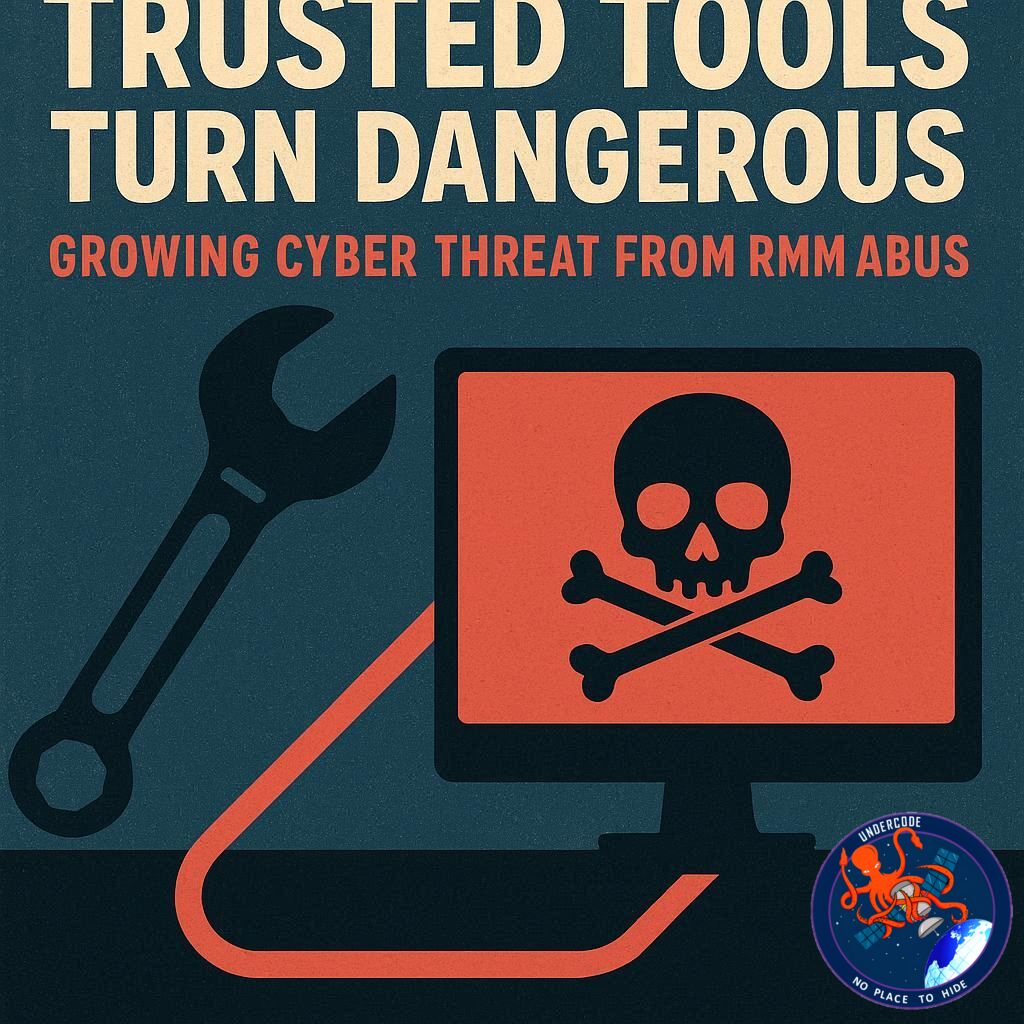
However, the same technology designed to make IT management easier is now being exploited by cybercriminals. Security researchers have observed a significant increase in attacks where threat actors misuse legitimate RMM software to gain unauthorized access to corporate systems. Instead of relying on traditional malware that may trigger alarms, attackers are now leveraging trusted administrative tools to blend in with normal operations.
This shift represents a dangerous evolution in cybercrime. By abusing legitimate software already trusted by organizations, attackers can operate quietly, evade detection, and maintain persistent control over compromised systems. As businesses increasingly rely on remote management tools, understanding how these tools are being weaponized has become critical for modern cybersecurity defenses.
The Rising Threat of RMM Tool Abuse
Remote monitoring and management tools were created to give IT administrators centralized control over systems and devices. Through a single platform, administrators can perform tasks such as installing updates, troubleshooting issues, configuring systems, and providing remote assistance to users.
But attackers have realized that these powerful capabilities can also serve as a gateway into corporate networks. Instead of developing sophisticated malware, cybercriminals can simply deploy or hijack legitimate RMM agents to gain direct control over target systems.
Security researchers warn that this tactic has become increasingly common in modern cyber intrusions. By using trusted software rather than custom malicious code, attackers can bypass many traditional security defenses that are designed to detect suspicious files or known malware signatures.
Because the software itself is legitimate, security tools often treat the activity as normal administrative behavior. This allows attackers to operate under the radar while maintaining full control over compromised systems.
How Attackers Deliver Rogue RMM Agents
In many cases, RMM abuse begins with social engineering. Cybercriminals send carefully crafted phishing emails designed to trick users into downloading and installing malicious files.
These emails may appear to be legitimate messages related to everyday business operations. For example, victims might receive messages disguised as invoices, electronic signature requests, voicemail notifications, file-sharing invitations, or meeting requests.
Once the user clicks on the attachment or link, the downloaded file silently installs a rogue RMM agent. This agent then connects back to the attacker’s command system, effectively giving them remote access to the victim’s computer.
From that moment forward, the attacker can interact with the system just like an authorized IT administrator. They can view files, run commands, install software, and control the device remotely.
Because the RMM tool appears to be legitimate software, the activity may not immediately raise alarms.
Credential Theft Creates Even Bigger Risks
While phishing attacks are common, another major risk comes from stolen RMM credentials. Attackers sometimes target IT administrators or managed service providers in order to obtain access to legitimate remote management platforms.
If a technician’s account is compromised, the damage can be severe. Many administrators manage multiple organizations or environments through a single RMM platform.
That means a single stolen account could potentially give attackers access to dozens or even hundreds of systems across different companies.
This type of breach can quickly escalate into widespread compromise. Once attackers gain access to the management platform, they can deploy commands across networks, access sensitive systems, and distribute additional malicious tools.
What Attackers Do After Gaining Access
Once inside a network using RMM tools, attackers gain significant control over the environment. Their activities can include running scripts, installing new software, or modifying system configurations.
One common tactic is lateral movement. Attackers use the initial access point to explore the network and move into other systems, especially those containing valuable data.
They may also collect sensitive information such as credentials, internal documents, or database content. In some attacks, cybercriminals disable security defenses or monitoring systems to ensure they can remain undetected.
In the most damaging scenarios, attackers eventually deploy ransomware. By encrypting critical files and systems, they force organizations to pay large sums of money to restore access.
Because these actions are performed through legitimate administrative tools, security teams may initially believe they are part of routine IT operations.
Why Traditional Security Tools Often Fail
The core problem with RMM abuse lies in trust. These tools are widely used and often pre-approved within corporate environments.
Security systems are typically designed to detect unknown applications or suspicious malware. But when an approved tool is used maliciously, it may not trigger alerts.
This creates what cybersecurity professionals call a “living off the land” attack. Instead of introducing new malicious software, attackers simply misuse existing tools already present in the environment.
As a result, their actions blend in with legitimate activity, making detection far more difficult.
What Undercode Say:
Attackers Are Shifting Toward “Trusted Tool” Strategies
The abuse of RMM software reflects a broader trend in modern cyberattacks. Instead of relying on noisy malware that can be quickly identified, attackers are increasingly turning to legitimate tools already installed in corporate environments.
This strategy drastically reduces the chance of detection. When a known administrative tool is running commands on a system, security monitoring systems often treat it as normal behavior.
Attackers understand this gap and are actively exploiting it.
The Line Between Legitimate and Malicious Activity Is Blurring
One of the biggest challenges for defenders is distinguishing between normal IT operations and malicious behavior.
An administrator logging into systems remotely is routine. But an attacker using the same tool at unusual hours or executing unfamiliar scripts can look almost identical in logs.
Without behavioral monitoring and contextual analysis, these activities may go unnoticed.
Behavioral Monitoring Is Becoming Essential
Traditional security strategies often focus on identifying malicious software. But the rise of RMM abuse demonstrates why behavior-based detection is becoming critical.
Security teams must begin analyzing patterns of activity rather than simply verifying which tools are installed.
For example, they should track when remote sessions normally occur, which systems administrators typically access, and what actions are expected during maintenance tasks.
When deviations occur, such as unusual login times or connections to unknown endpoints, they should trigger investigations.
Identity Security Is Now a Frontline Defense
Another important lesson from RMM abuse is the importance of identity protection.
Many attacks succeed not because of technical vulnerabilities, but because attackers successfully steal administrator credentials.
Multi-factor authentication, strict access controls, and monitoring privileged accounts can significantly reduce this risk.
Without strong identity security, even legitimate management platforms can become dangerous attack vectors.
Security Awareness Still Matters
Technology alone cannot solve the problem. Many RMM attacks begin with phishing emails targeting employees.
Training users to recognize suspicious emails, unexpected file downloads, or unusual requests can prevent attackers from gaining their initial foothold.
Organizations that combine user awareness with strong monitoring capabilities are far better equipped to detect and stop these threats.
Fact Checker Results
✅ RMM tools are legitimate administrative platforms widely used by IT teams for remote device management.
✅ Security researchers have confirmed a growing trend where attackers misuse legitimate tools instead of deploying custom malware.
❌ RMM tools themselves are not inherently malicious; the risk comes from unauthorized or abusive usage.
Prediction
🔮 Cybercriminals will increasingly rely on legitimate administrative tools to conduct stealthier attacks that bypass traditional security defenses.
🔮 Future security platforms will shift toward behavioral monitoring and identity protection to detect suspicious use of trusted software.
🔮 Organizations will begin implementing stricter controls and monitoring around RMM tools to prevent unauthorized remote access.
🕵️📝✔️Let’s dive deep and fact‑check.
References:
Reported By: cyberpress.org
Extra Source Hub (Possible Sources for article):
https://www.stackexchange.com
Wikipedia
OpenAi & Undercode AI
Image Source:
Unsplash
Undercode AI DI v2
Bing
🔐JOIN OUR CYBER WORLD [ CVE News • HackMonitor • UndercodeNews ]
📢 Follow UndercodeNews & Stay Tuned:
𝕏 formerly Twitter 🐦 | @ Threads | 🔗 Linkedin | 🦋BlueSky | 🐘Mastodon


