
Listen to this Post
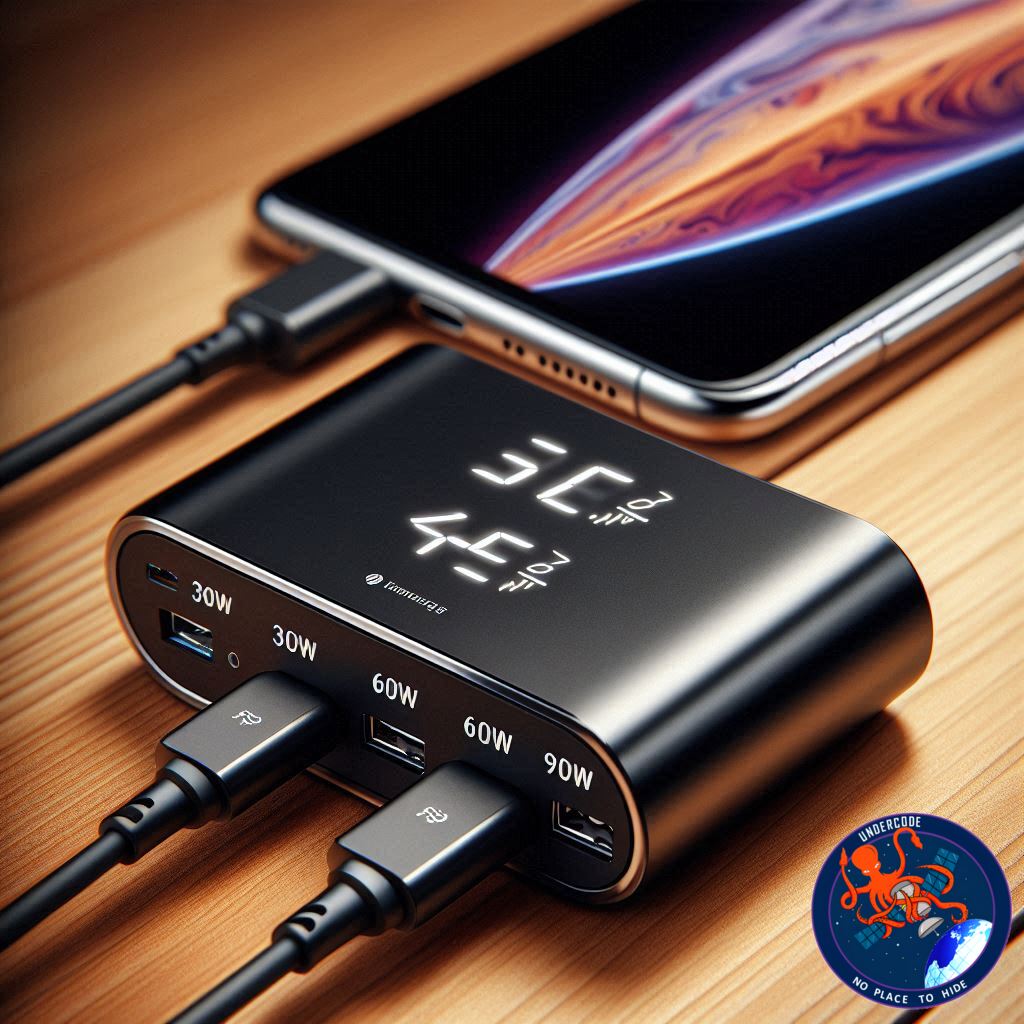
Smartphone users are increasingly curious about the impact of fast charging on battery health. With devices now supporting chargers rated at 30W, 65W, 90W, and beyond, it’s easy to assume that higher wattage automatically means better performance. But the truth is more nuanced. Understanding how charging speed affects your phone’s battery can help you choose the right charger and maintain long-term battery life.
Modern smartphones use lithium-ion batteries, which are sensitive to heat and charging patterns. Charger wattage—30W, 60W, 90W, or higher—indicates the maximum power the charger can deliver, calculated by multiplying voltage (V) by current (A). Higher wattage allows faster charging, provided the phone supports it. However, using a higher-watt charger than your phone can handle doesn’t “overpower” the device; the phone will only draw the power it is designed to accept.
A 30W charger, common in mid-range and some flagship smartphones, offers steady charging speeds while generating minimal heat. By contrast, a 90W charger is typically used with premium phones for ultra-fast charging, often reaching 50% in under 15 minutes. While fast charging is convenient, higher wattage can produce more heat, which may stress the battery over time if not properly managed.
Fortunately, modern smartphones include advanced battery management systems that regulate power flow, temperature, and charging speed. Many devices slow down charging once the battery reaches 80% to preserve long-term battery health. This means that occasional use of high-watt chargers is safe, as the device itself prevents overheating or overcharging.
Charging speed versus battery longevity is a trade-off. Slower charging generates less heat and may support battery health over multiple years. Fast charging is convenient and generally safe if the device is designed for it, but daily use of moderate-watt chargers may offer the best balance between speed and battery preservation.
Ultimately, the ideal charger is one recommended by your phone manufacturer. Certified chargers ensure safe, efficient charging and protect your device. Moderate-watt chargers are suitable for daily use, while high-watt chargers are best reserved for situations when you need a rapid power boost.
What Undercode Say:
Battery health debates often misrepresent the role of charger wattage. Many users assume a 90W charger will “kill” their phone battery, but modern smartphones are engineered to handle fast charging safely. The key factor is temperature management: lithium-ion batteries degrade faster when repeatedly exposed to high heat, not merely due to higher wattage.
Using a 30W or 60W charger may produce less heat and slow the battery’s natural aging process, but the convenience of high-watt charging cannot be ignored. Smartphones intelligently modulate charging speed, especially beyond 80% battery, balancing quick top-ups with battery preservation.
Device compatibility is crucial. Using a 90W charger on a phone rated for 30W delivers no extra power, but using uncertified chargers could bypass safeguards, potentially harming the battery. Certified, manufacturer-recommended chargers remain the safest bet.
For long-term battery health, alternating between moderate-watt daily charging and occasional high-watt fast charging is ideal. Fast charging is not inherently dangerous; it’s misuse of incompatible or low-quality chargers that poses a risk.
Heat control, charge cycles, and daily habits matter more than raw wattage. Phones are now designed with this in mind, ensuring users can enjoy convenience without compromising battery life. Choosing a charger is less about maximum power and more about matching your phone’s specifications, charging habits, and overall safety standards.
In practical terms, users should avoid leaving phones charging in hot environments, minimize overnight fast charging where possible, and prioritize certified chargers over third-party options. These habits preserve the battery without sacrificing the benefits of modern fast charging.
Fact Checker Results:
✅ High-watt chargers are safe for phones with proper battery management systems.
✅ Phones draw only the power they are rated for; higher wattage does not force excess current.
❌ Heat, not wattage alone, is the primary factor affecting long-term battery health.
Prediction:
📱 As fast charging technology improves, future smartphones will likely handle even higher wattages without impacting battery longevity. Users can expect ultra-fast chargers to become standard, with intelligent thermal and power management minimizing battery stress.
⚡ Manufacturers may also introduce adaptive chargers that automatically optimize wattage based on battery age, temperature, and usage patterns.
If you want, I can also create a quick visual guide comparing 30W, 60W, and 90W chargers for battery health, showing charging speed, heat generation, and long-term impact at a glance. Do you want me to make that?
🕵️📝✔️Let’s dive deep and fact‑check.
References:
Reported By: zeenews.india.com
Extra Source Hub (Possible Sources for article):
https://www.reddit.com/r/AskReddit
Wikipedia
OpenAi & Undercode AI
Image Source:
Unsplash
Undercode AI DI v2
Bing
🔐JOIN OUR CYBER WORLD [ CVE News • HackMonitor • UndercodeNews ]
📢 Follow UndercodeNews & Stay Tuned:
𝕏 formerly Twitter 🐦 | @ Threads | 🔗 Linkedin | 🦋BlueSky | 🐘Mastodon


