
Listen to this Post
Introduction
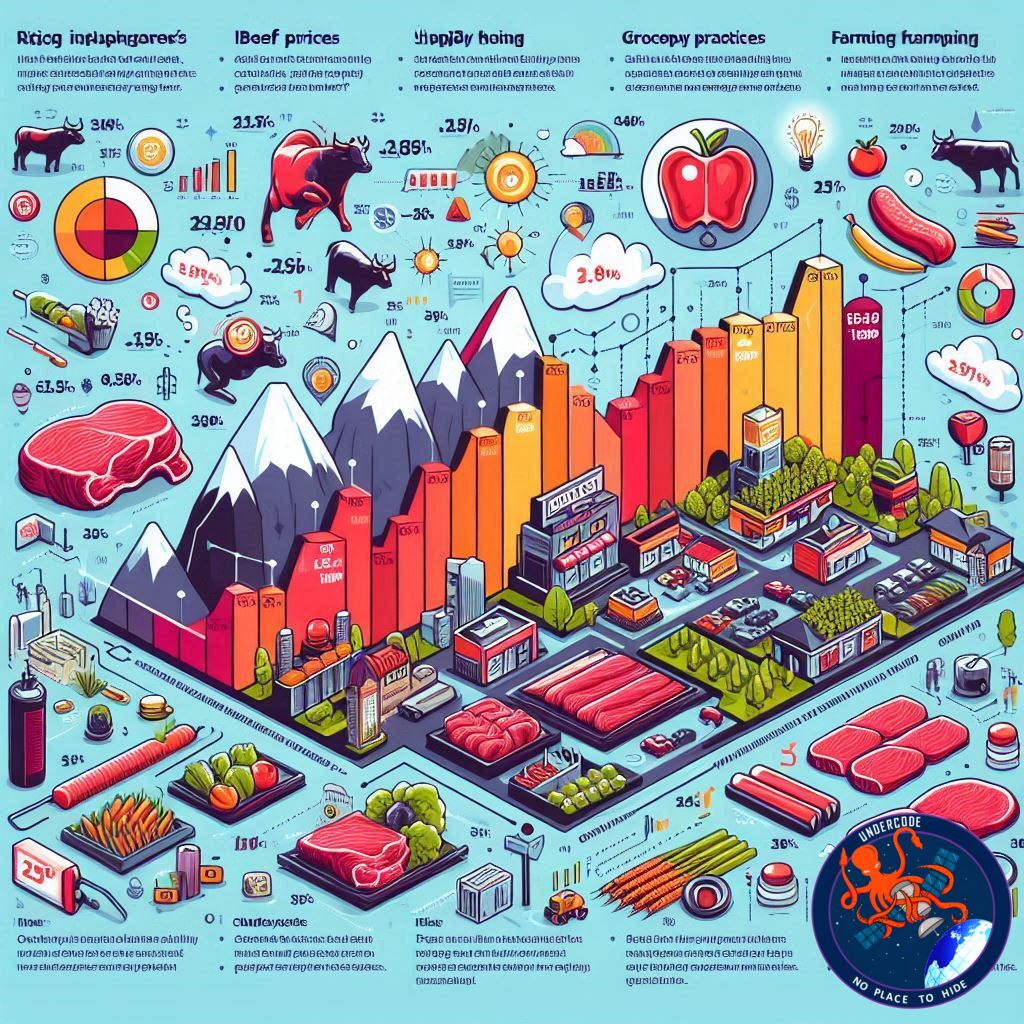
Americans are increasingly frustrated at the grocery store checkout line. A pound of beef that once seemed affordable now carries a sticker shock many shoppers weren’t prepared for, and it’s part of a much broader trend: grocery prices in the U.S. are roughly 30% higher than before the COVID‑19 pandemic, a jump that’s reshaping how families eat and budget.
Jacksonville Journal-Courier
CNN’s Erin Burnett recently spoke with Chief Data Reporter Harry Enten about why this is happening — especially when it comes to beef — and what it means for consumers who are feeling the squeeze from San Francisco to the Midwest. While beef prices aren’t the only story, they’ve become a symbol of the larger problem: everyday staples are costing a lot more than they used to.
Wikipedia
the Original Report
In the CNN segment, Erin Burnett and Harry Enten highlighted how grocery prices have surged since the pandemic, with the overall grocery index now about 30% higher than in the years before COVID struck. Enten used price data to show that items like beef — once a reliably affordable source of protein — have climbed significantly in price, making weekly shopping trips feel like a bigger hit to household budgets.
Wikipedia
The discussion explained that rising food costs aren’t just about inflation broadly — they’re tied to supply chain disruptions, changes in consumer demand, and structural issues in the food industry that emerged as COVID‑19 disrupted global production and transportation networks. While inflation has eased in some sectors of the economy, grocery inflation remains stubbornly high, and beef prices specifically have become a flashpoint for public attention.
The segment underscored that even if overall inflation rates have cooled, the price of essential goods like groceries — especially beef — still lags, leaving many Americans feeling the effects of higher food bills every week.
Wikipedia
What Undercode Say: Why This Matters Beyond the Headlines
The headlines about “beef prices” are really shorthand for systemic pressures in the U.S. food economy. Yes, beef costs have risen dramatically, but this isn’t just a story about one product — it’s about how consumer habits, production realities, corporate strategies, and macroeconomic forces collide.
Pandemic Aftershocks Still Rippling Through the Supply Chain
The COVID‑19 pandemic didn’t just cause a temporary disruption; it fundamentally altered the economics of food production. Meatpacking plants shut down or operated at reduced capacity during outbreaks, and cattle herds shrank as ranchers adjusted to uncertainty and labor shortages. Those disruptions didn’t immediately reverse after lockdowns ended — production bottlenecks and reduced processing capacity have lingered, constraining supply while demand remained steady.
Wikipedia
Grocery Inflation Isn’t Uniform, But It’s Persistent
While overall inflation has shown signs of cooling, grocery prices — especially for staples like meat — haven’t retreated much. Many families now routinely budget more for basics, and some have shifted how and what they buy: opting for cheaper cuts, less expensive proteins, or buying in bulk when sales appear. This shift isn’t temporary; it’s becoming a long‑term behavioral response to elevated price levels.
Jacksonville Journal-Courier
The Role of Market Structure and Pricing Power
Another layer that often gets overlooked is how market concentration can influence prices. Large retailers and meatpackers have significant leverage in setting prices throughout the food chain. Economists refer to this phenomenon as “greedflation,” where companies use inflation as a cover to raise prices more than necessary, backed by consolidated market power.
Wikipedia
Even mainstream analyses acknowledge that while supply shocks and inflationary forces matter, elevated profit margins and industry pricing strategies have also played a role in keeping grocery inflation high, even as broader inflation decelerated.
Wikipedia
Policy and Public Perception
The political context has amplified the issue. Politicians on both sides of the aisle point to food prices as evidence of broader economic stresses — with some arguing that current policies aren’t doing enough to help families cope. Public figures continue to debate whether grocery inflation results from policy failures, corporate pricing tactics, or residual pandemic effects. Whatever the cause, the outcome is the same: consumers feel squeezed.
Real Household Impact
The rising cost of beef — and food overall — has meaningful consequences. Many households now spend a higher share of their income on food than they did a decade ago, forcing cutbacks elsewhere. Dining out, groceries, and meal planning have shifted toward cost‑saving strategies like cooking at home, discount shopping, and meal prepping. These aren’t lifestyle choices so much as responses to economic pressure.
Jacksonville Journal-Courier
Fact Checker Results
Grocery prices have increased significantly since pre‑COVID levels. Labor statistics and independent trackers confirm that grocery costs are roughly 30% higher than five years ago, a substantial rise compared with general inflation.
Jacksonville Journal-Courier
Beef prices have hit record highs. Data from industry and news sources show beef and other meat prices well above historical averages, driven by supply constraints and strong demand.
People.com
Inflation narratives vary, but economic data shows a mix of causes. Analyses attribute grocery inflation to supply chain shocks, market structure, and pricing strategies — not a single factor alone.
Wikipedia
+1
Prediction: Where Grocery Inflation Might Go Next
Looking ahead, several trends could shape food prices in the coming year:
Continued Price Pressure on Essentials: Unless supply chain capacity grows or input costs fall, staples like beef, dairy, and packaged foods may see continued price volatility.
Adaptation by Consumers: Budget strategies such as bulk buying, discount brands, and reduced dining out may become the norm, especially for price‑sensitive households.
Industry and Policy Shifts: Regulatory scrutiny of meatpacking and supermarket pricing — as well as potential changes in trade or agricultural policy — could alter how prices are set and influence competition.
Inflation Narrative Evolution: As headline inflation slowly recedes, groceries may remain sticky, keeping public attention on food costs even if other sectors improve.
In short, the “beef prices” story is a lens into broader economic realities: structural change, consumer adaptation, and ongoing debate over what drives prices at the supermarket. The next year may not bring dramatic relief, but it will likely reshape how Americans think about food, value, and economic resilience.
🕵️📝✔️Let’s dive deep and fact‑check.
References:
Reported By: edition.cnn.com
Extra Source Hub (Possible Sources for article):
https://www.digitaltrends.com
Wikipedia
OpenAi & Undercode AI
Image Source:
Unsplash
Undercode AI DI v2
Bing
🔐JOIN OUR CYBER WORLD [ CVE News • HackMonitor • UndercodeNews ]
📢 Follow UndercodeNews & Stay Tuned:
𝕏 formerly Twitter 🐦 | @ Threads | 🔗 Linkedin | 🦋BlueSky | 🐘Mastodon


