
Listen to this Post
Introduction: The Sound We Never Question
Every time a photo is taken, a familiar “click” follows almost instantly. It is so deeply ingrained in daily life that most people never stop to question it. Whether it comes from a professional DSLR or a modern smartphone, that sound feels natural, expected, and even comforting. Yet in today’s world of fully digital sensors and silent electronics, the presence of a camera shutter sound is no longer a technical necessity. The reason it still exists lies in a fascinating combination of mechanical history, human psychology, and modern privacy laws.
The Mechanical Roots of the Camera Click
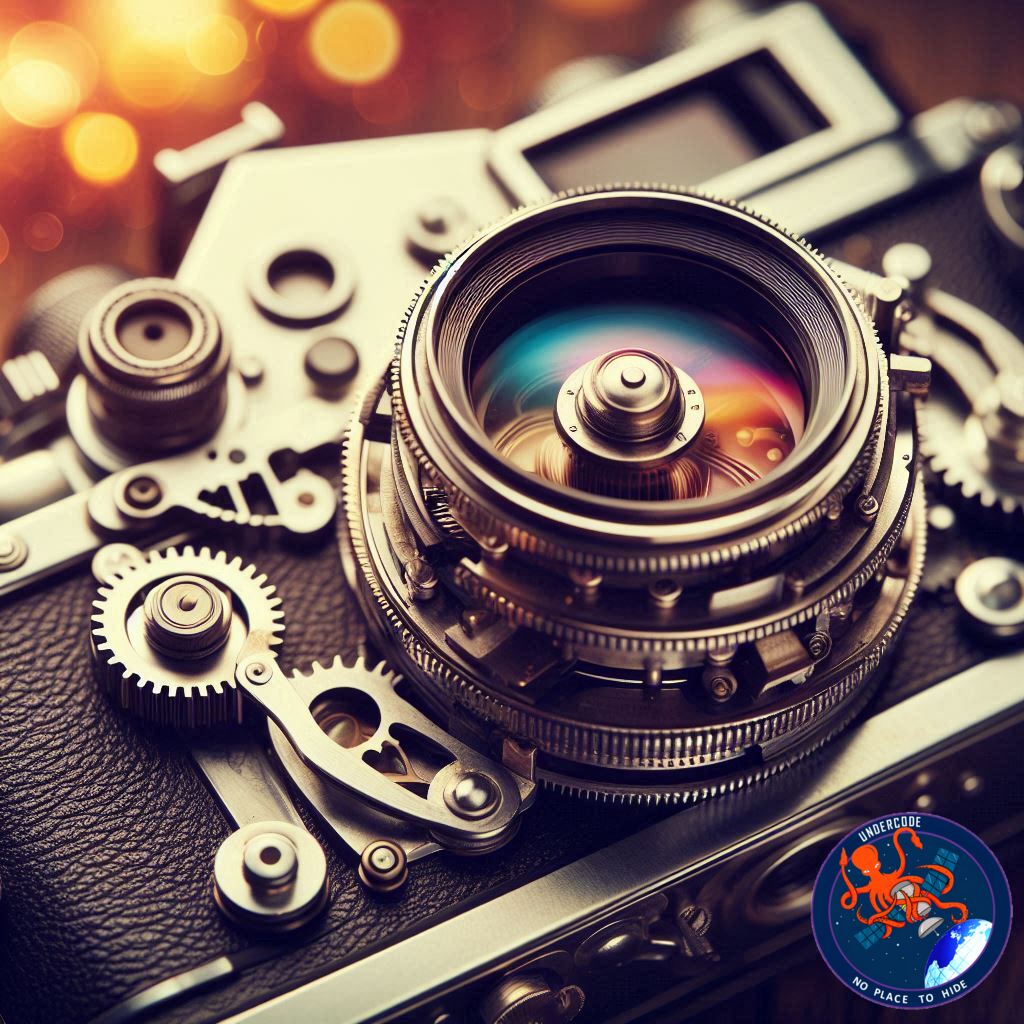
The original camera click was not symbolic or artificial. It was a direct result of physical movement inside the camera body. Traditional film cameras relied on a mechanical shutter and mirror system. When the shutter button was pressed, the mirror flipped up, the shutter curtain opened to expose the film to light, and then everything snapped back into place. This rapid movement produced the sharp clicking noise that became synonymous with photography.
Early Digital Cameras Continued the Tradition
When digital cameras first replaced film, they kept much of the same internal design. Early DSLRs and compact digital cameras still used mechanical shutters and mirrors. Although film was replaced by digital sensors, the physical act of opening and closing a shutter remained. As a result, the clicking sound continued, reinforcing the idea that a photo had been successfully captured.
How Modern Cameras Capture Images Differently
Modern cameras, especially smartphones, work very differently. Many use electronic shutters instead of mechanical ones. An electronic shutter activates the image sensor digitally, capturing light without any physical movement. In theory, this process is completely silent. From a technical standpoint, today’s smartphones do not need to make any sound at all when taking a photo.
Why the Click Sound Still Exists Today
Despite silent hardware, the shutter sound refuses to disappear. The reason is not technological but experiential. Camera manufacturers deliberately add an artificial shutter sound through software. This sound is designed to imitate the traditional mechanical click, preserving a sense of continuity between old and new photography.
User Feedback and Visual Confirmation
One of the most practical reasons for the shutter sound is user feedback. The click acts as confirmation that the photo has been taken. This is especially useful when the screen is not visible, when lighting conditions are poor, or when the user is capturing photos quickly. The sound removes doubt and reassures the user that their action worked.
The Role of Privacy and Legal Regulations
In several countries, the shutter sound is not optional. Nations such as Japan and South Korea enforce strict privacy laws designed to prevent secret photography. Smartphones sold in these regions are legally required to emit an audible shutter sound whenever a photo is taken. This rule applies even when the phone is in silent or vibration mode.
Why Some Phones Cannot Mute the Camera Sound
For devices sold in regions with privacy regulations, the shutter sound is hard-coded into the phone’s software. Users cannot disable it through settings or silent mode. Even advanced system modifications may not remove it completely. This ensures compliance with local laws and protects individuals from unauthorized photography.
Regional Differences in Camera Behavior
Smartphones sold in other parts of the world often allow users to turn off the shutter sound. Switching to silent mode or adjusting camera settings usually disables it. This regional difference explains why the same phone model may behave differently depending on where it was purchased.
The Psychological Impact of the Click
Beyond legality and feedback, psychology plays a powerful role. Experts compare the camera shutter sound to keyboard clicks or touchscreen vibrations. These sounds create a sense of completion and satisfaction. The brain associates the sound with success, reinforcing confidence in the action taken.
Why Silence Feels Unnatural to Users
When a camera takes a photo silently, many users feel unsure whether it worked. The absence of sound can create hesitation or lead to repeated shots. The artificial click fills that gap, providing reassurance even when no mechanical action occurs.
The Cultural Legacy of the Camera Sound
Over decades, the shutter sound has become part of global culture. Movies, television, and advertising have reinforced it as an essential element of photography. Removing it entirely would feel unfamiliar, even if technology allows it.
Photography as an Experience, Not Just a Function
Modern camera design focuses on user experience as much as image quality. The shutter sound contributes to the emotional moment of capturing a memory. It transforms photography from a silent data capture into a deliberate and satisfying action.
The Illusion of Mechanical Precision
Even though most smartphones use electronic shutters, the sound gives the illusion of precision and craftsmanship. It suggests that something complex just happened, even when the process is entirely digital.
How Manufacturers Fine-Tune the Sound
Some companies carefully design their shutter sounds to feel crisp and responsive. The sound itself becomes part of the brand experience, subtly influencing how users perceive camera quality.
The Balance Between Silence and Responsibility
Camera makers walk a fine line between offering silent photography and respecting privacy. In regions without legal restrictions, silent modes exist. In others, audible confirmation remains mandatory, prioritizing public trust over convenience.
The Click as a Social Signal
The shutter sound also serves as a social cue. It lets people nearby know that a photo is being taken. This transparency helps prevent discomfort and reinforces ethical photography practices.
Why Professional Cameras Still Make Noise
Even high-end professional cameras often retain mechanical shutters. These photographers value precision timing and reliability, even if it means audible noise. Silent electronic shutters exist, but mechanical systems are still trusted in many scenarios.
Technology May Change, Habits Do Not
As camera technology evolves, human habits remain slow to change. The shutter sound persists because it feels right, even when it is no longer required.
The Future of Camera Sounds
Future devices may offer smarter, context-aware shutter sounds. They may adjust volume based on environment, location, or legal requirements. Complete silence may become more accepted, but the click is unlikely to disappear entirely.
A Sound That Became a Standard
What began as a mechanical necessity has transformed into a universal design choice. The shutter sound is no longer about mechanics—it is about communication, trust, and experience.
Summary of the Original
The article explains that camera clicking sounds originated from mechanical shutters in traditional film and early digital cameras. These sounds were produced when physical components moved to expose film or sensors to light. Modern cameras, especially smartphones, often use electronic shutters that do not require physical movement. Despite this, shutter sounds remain for user feedback and psychological reassurance. Additionally, privacy laws in countries like Japan and South Korea require audible camera sounds to prevent secret photography. While some regions allow users to mute the sound, others enforce it at the software level. The article also highlights the psychological satisfaction users feel when hearing the click, reinforcing confidence that a photo has been taken successfully.
What Undercode Say:
The persistence of the camera shutter sound reveals how technology often preserves tradition for human comfort rather than necessity. From an engineering perspective, silent photography is already here. Sensors, processors, and software are capable of capturing images instantly without noise. However, removing the shutter sound entirely would disrupt user trust, especially in everyday photography.
From a digital ethics standpoint, enforced shutter sounds represent an interesting intersection between technology and social responsibility. Unlike many software features that prioritize user freedom, camera sounds are sometimes deliberately restricted. This shows how privacy concerns can override customization in consumer electronics.
There is also a deeper design philosophy at play. User experience is not only visual but auditory. The shutter sound acts as a micro-feedback loop, reinforcing behavior and encouraging repeated use. It turns a technical process into an emotional one.
As devices become more intelligent, future camera systems may dynamically adapt their behavior based on environment, location, and legal context. Until then, the artificial click remains a compromise between silence, satisfaction, and societal norms.
Fact Checker Results
✅ Traditional cameras genuinely produced clicking sounds due to mechanical shutters
✅ Modern smartphones often use electronic shutters and add artificial sounds
✅ Privacy laws in certain countries legally mandate audible shutter sounds
Prediction
📸 The camera shutter sound will evolve rather than disappear
🔊 Smart devices may introduce adaptive or context-based shutter audio
✅ Legal and psychological factors will continue to shape camera design choices
🕵️📝✔️Let’s dive deep and fact‑check.
References:
Reported By: zeenews.india.com
Extra Source Hub (Possible Sources for article):
https://www.facebook.com
Wikipedia
OpenAi & Undercode AI
Image Source:
Unsplash
Undercode AI DI v2
Bing
🔐JOIN OUR CYBER WORLD [ CVE News • HackMonitor • UndercodeNews ]
📢 Follow UndercodeNews & Stay Tuned:
𝕏 formerly Twitter 🐦 | @ Threads | 🔗 Linkedin | 🦋BlueSky | 🐘Mastodon


