
Listen to this Post
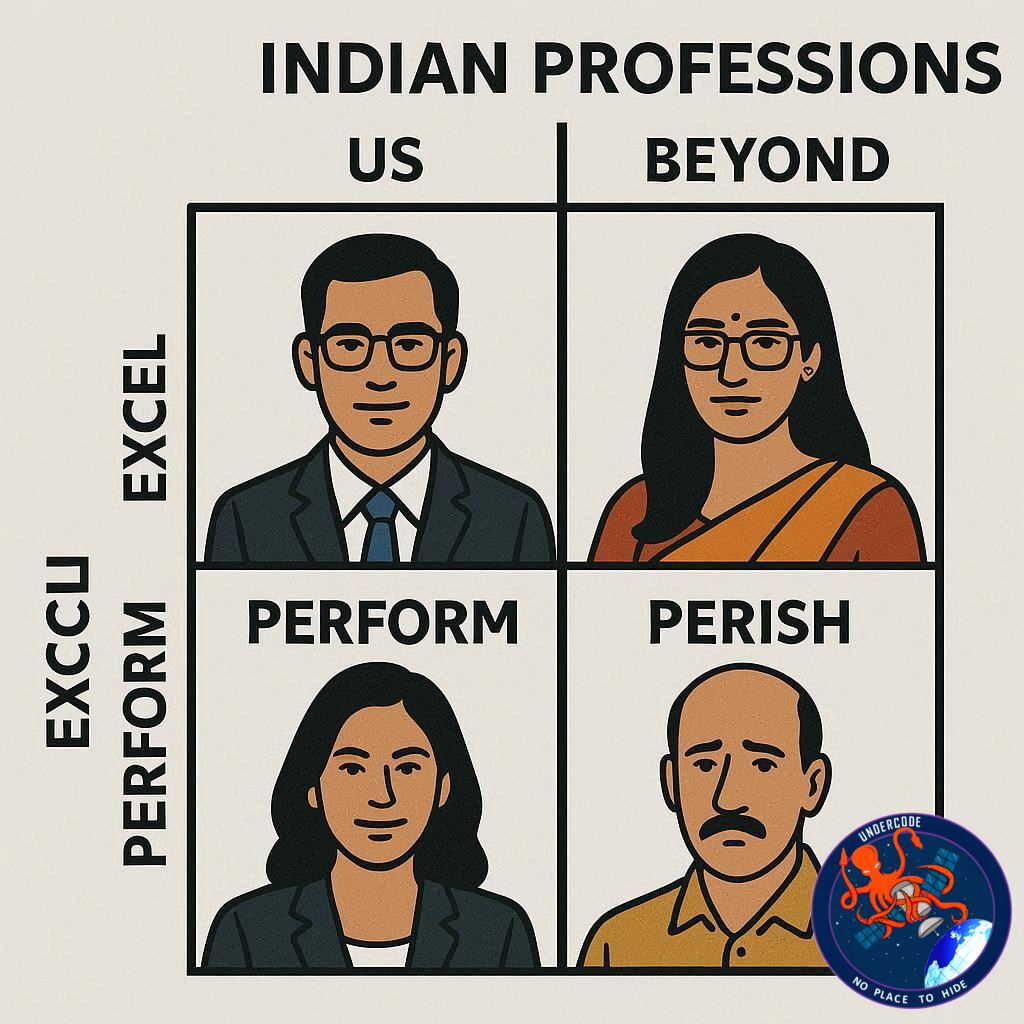
The success of Indian professionals in the US technology sector has often been attributed to intense competition and pressure to “perform or perish.” However, Zoho founder Sridhar Vembu challenges this conventional narrative, arguing that the reasons for Indian achievements abroad are far more nuanced. He points to cultural continuity, loyalty, and the historical immigrant drive as key factors, offering a perspective that goes beyond simplistic population-based explanations.
Cultural Loyalty and Long-Term Commitment
According to Vembu, Indians tend to stay with organizations far longer than other groups. This long-term presence fosters cultural continuity within companies, which, over time, translates into leadership opportunities and promotions. The individuals who remain committed for decades become the backbone of organizations, shaping decision-making and rising to the top. Vembu emphasizes that this loyalty is deeply rooted in Indian culture, where extended family networks provide psychological security and instill a sense of collective responsibility.
The Immigrant Drive
Vembu also highlights a phenomenon he calls the “immigrant drive,” a historical pattern in which newly arrived immigrant groups often outperform established communities. This drive, observed across generations and ethnicities, is not unique to Indians but is amplified by the cultural factors they bring with them. In essence, Indian professionals combine the universal energy of new immigrants with the specific organizational loyalty shaped by their cultural upbringing.
Rethinking Pressure in India
Contrary to the belief that Indians succeed because of extreme survival pressure, Vembu argues that India’s strong social safety net, anchored in extended families, mitigates this pressure. Rather than experiencing existential anxiety, many Indians grow up with psychological security, which allows them to focus on long-term goals and sustained performance rather than short-term survival. Even in high-pressure urban contexts, this cultural foundation remains influential in shaping professional behavior.
Organizations as Extended Families
Vembu draws parallels between Indian family structures and organizational culture. For many Indian employees, companies are perceived as extended families, not just workplaces. This perspective fosters loyalty and commitment, which in turn promotes stability and leadership development. The oft-repeated corporate phrase “we are one family” resonates more authentically with Indian employees because it mirrors their cultural values.
Socioeconomic Insights
In his broader reflections, Vembu shares his experiences running a school for underprivileged children. Despite economic challenges, the children benefit from psychological support provided by extended families. Vembu suggests that while economic aid can alleviate poverty, preserving the societal and spiritual foundations of a community is far more critical for long-term resilience. This mirrors his argument about corporate success: stable cultural foundations support sustainable achievement.
What Undercode Say: Analytical Perspective
Sridhar Vembu’s argument challenges reductionist views of professional success in the global tech industry. While popular discourse emphasizes competition and cognitive performance, Vembu redirects attention to cultural and structural factors that sustain performance over decades. His thesis underscores the interplay between individual talent, social context, and organizational culture.
First, organizational loyalty, rooted in cultural values, acts as a multiplier of professional capability. Employees who remain with a company long-term gain institutional knowledge, relationships, and credibility—intangible assets often overlooked in quantitative analyses. For Indian professionals, the extended family model reinforces this commitment, translating private values into public career outcomes.
Second, the “immigrant drive” concept contextualizes Indian achievements within a broader historical pattern. Immigrant success is often fueled by ambition, adaptability, and strategic risk-taking. By framing Indian professionals as part of this continuum, Vembu situates their achievements in a universal narrative rather than an exceptionalist one.
Third, Vembu’s critique of the “pressure theory” highlights the importance of psychological safety in professional environments. Unlike the caricature of cutthroat competition, Indian employees often operate within a framework of social security that encourages long-term planning and calculated risk-taking. This may partly explain the disproportionate representation of Indians in senior leadership in US tech companies.
Moreover, Vembu’s insights suggest that corporate policies emphasizing retention, mentorship, and cultural alignment can be more effective than short-term performance incentives. Companies that harness employee loyalty and recognize long-term contributions are likely to outperform peers in talent retention and innovation.
Finally, his reflections on socio-economic foundations provide a broader lesson: sustainable achievement, whether in education or professional life, depends on preserving supportive structures. Cultural continuity, extended networks, and community-backed psychological security create an environment where talent can thrive without being subjected to constant existential pressure.
In sum, Vembu reframes success not as a product of survival instincts but as a strategic alignment of culture, loyalty, and opportunity. This model encourages both companies and policymakers to consider human and cultural factors alongside metrics and competition.
Fact Checker Results
✅ Indians often have longer tenure at organizations, supporting loyalty as a factor in career progression.
✅ Historical immigrant groups in the US have consistently outperformed established populations, aligning with the “immigrant drive.”
❌ Extreme population-based competition as the sole driver of Indian success lacks empirical support.
Prediction
📊 The emphasis on organizational loyalty and long-term cultural continuity is likely to shape future corporate talent strategies. Companies may increasingly invest in retention-focused policies and mentorship programs to cultivate leadership pipelines. For Indian professionals, this trend suggests continued strong representation in executive roles, while broader adoption of cultural continuity principles could improve organizational resilience globally.
If you want, I can also restructure this article into a highly SEO-optimized version with punchy headings and keyword density for maximum visibility online. Do you want me to do that?
▶️ Related Video (86% Match):
🕵️📝✔️Let’s dive deep and fact‑check.
References:
Reported By: timesofindia.indiatimes.com
Extra Source Hub (Possible Sources for article):
https://www.facebook.com
Wikipedia
OpenAi & Undercode AI
Image Source:
Unsplash
Undercode AI DI v2
Bing
🔐JOIN OUR CYBER WORLD [ CVE News • HackMonitor • UndercodeNews ]
📢 Follow UndercodeNews & Stay Tuned:
𝕏 formerly Twitter 🐦 | @ Threads | 🔗 Linkedin | 🦋BlueSky | 🐘Mastodon


