
Listen to this Post
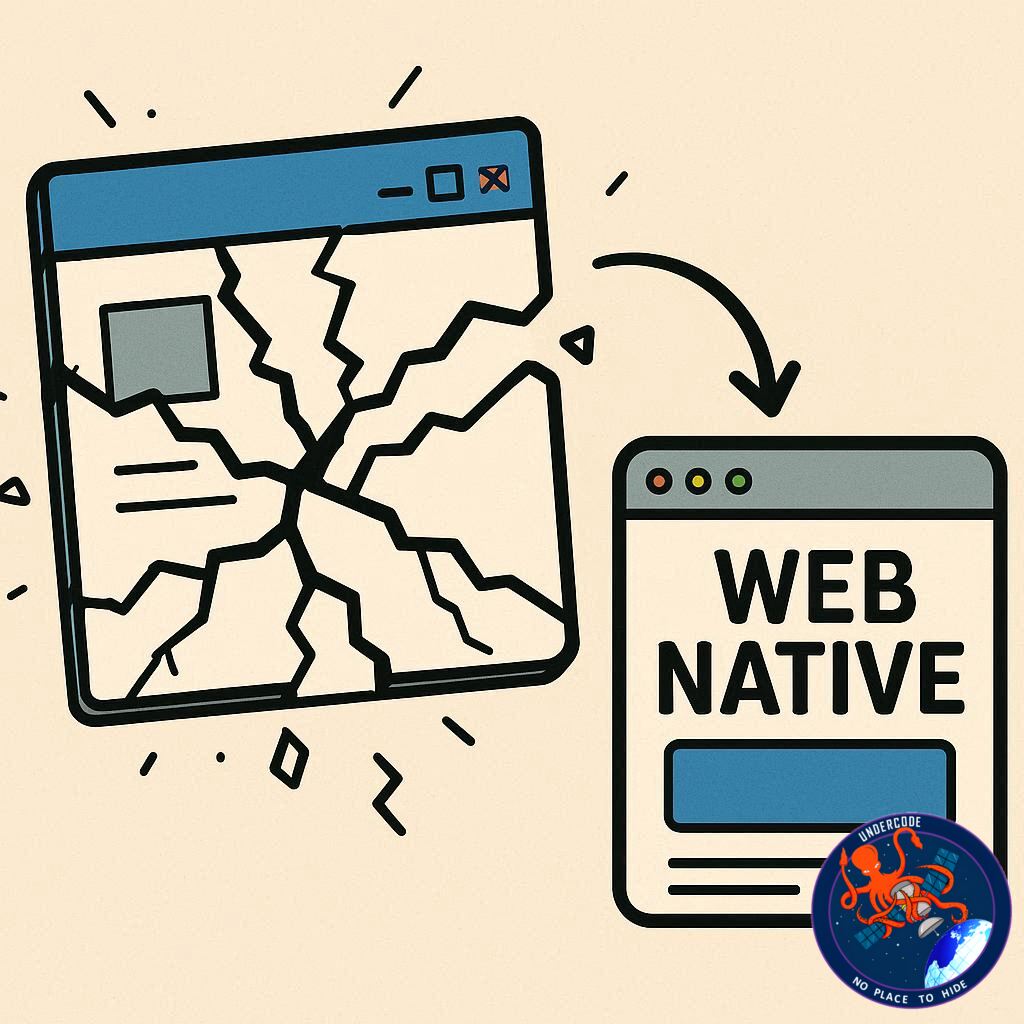
Introduction: A Frustration That Goes Beyond WhatsApp
When WhatsApp abandoned its native Windows app in favor of a web-based wrapper, the backlash was immediate and loud. Users blamed Meta for delivering a sluggish, memory-hungry experience that felt like a downgrade rather than progress. But that reaction only scratched the surface.
The deeper issue is not just one company making a questionable design choice. It is a long-standing problem within the Windows ecosystem itself. Developers are not simply choosing web apps because they are easier. They are choosing them because the Windows platform has become unpredictable.
To understand why so many modern Windows apps feel less polished than they once did, you have to look beyond performance complaints and into the history of Microsoft’s development strategy.
Summary: How Windows Lost Developer Trust
The shift from native apps to web-based alternatives on Windows is not a sudden trend. It is the result of years of uncertainty in Microsoft’s development ecosystem. While Meta received criticism for turning WhatsApp into a web wrapper, the reality is that the company had little incentive to continue investing in a native Windows experience.
One of the main reasons is cost. Web apps are cheaper to build and maintain, especially when they can run across multiple platforms with a single codebase. But cost alone does not explain the shift. The bigger issue is trust. Developers no longer feel confident committing to Microsoft’s frameworks because history suggests those frameworks may not last.
Over the years, Microsoft has introduced a long list of development technologies, each presented as the future of Windows. These include WPF, Silverlight, UWP, and now WinUI 3. While many of these technologies were technically strong, they often lost relevance as Microsoft shifted direction. This pattern created a sense that no framework was truly stable in the long term.
In earlier days, Windows development was simple. Win32 provided a clear and consistent path. Developers knew what to use and could invest time without worrying about sudden changes. This stability helped the ecosystem grow. However, instead of evolving that foundation, Microsoft layered new frameworks on top, each competing for attention.
As a result, developers today face too many choices. Some prefer older, stable technologies like Win32 or WPF. Others experiment with newer options like WinUI 3 or cross-platform tools such as MAUI. Meanwhile, third-party frameworks like Avalonia and Qt are gaining traction. On top of all that, web technologies like Electron and Progressive Web Apps offer an alternative that avoids platform-specific risks entirely.
This confusion has pushed many developers toward web-based solutions. Popular apps like Spotify, Discord, Slack, and even parts of Microsoft’s own ecosystem rely on web technologies embedded inside desktop containers. These apps are easier to maintain and deploy, but they often sacrifice performance and deep system integration.
On platforms like macOS and iOS, native apps remain the priority because Apple has maintained a clear and consistent development path. Frameworks evolve, but they are not abandoned. Developers know their work will remain relevant for years. Windows, on the other hand, lacks that clarity.
Microsoft has recently shown signs of trying to fix the situation by promoting native development again and improving performance. However, rebuilding trust is much harder than introducing new tools. Developers remember past shifts, and that history makes them cautious.
Ultimately, the rise of web apps on Windows is not about superiority. It is about reliability. Developers are choosing the safer option in an uncertain environment.
What Undercode Say:
The Core Issue Is Psychological, Not Technical
The biggest mistake in analyzing this situation is assuming it is about performance or capability. Microsoft has proven many times that it can build powerful frameworks. The real problem lies in developer psychology. Once trust is broken repeatedly, even the best tools struggle to gain adoption.
Too Many Choices Create Paralysis
Windows today offers an overwhelming number of development paths. While choice sounds positive, too much of it creates hesitation. Developers are forced to evaluate not just what works today, but what might survive tomorrow. That uncertainty slows innovation and discourages long-term investment.
Web Apps Represent Strategic Safety
From a business perspective, web apps are not just convenient. They are a hedge against platform instability. By using web technologies, companies reduce dependency on any single operating system. This strategy protects them from sudden shifts in platform direction, something Windows developers have experienced multiple times.
Performance Trade-Offs Are Accepted Risks
Developers are fully aware that web-based apps consume more memory and often feel less responsive. However, these drawbacks are seen as acceptable compared to the risk of rebuilding entire applications when a framework becomes obsolete.
Apple’s Consistency Is a Competitive Advantage
The contrast with Apple’s ecosystem highlights the importance of stability. Developers continue to prioritize native apps on macOS and iOS not because those platforms are easier, but because they are predictable. Consistency becomes a competitive advantage that shapes the entire app ecosystem.
Microsoft’s Late Realization
Microsoft’s recent push toward native apps shows awareness of the issue, but timing is critical. Trust is built over years and lost quickly. The company now faces the challenge of proving long-term commitment, not just announcing it.
Internal Strategy Shifts Have External Consequences
Frequent internal pivots within Microsoft may make sense from an innovation standpoint, but they create chaos externally. Developers do not see internal reasoning. They see abandoned frameworks and shifting priorities.
The Ecosystem Is Fragmenting
The lack of a clear direction has opened the door for third-party frameworks to gain popularity. This fragmentation further weakens the Windows ecosystem by dividing developer focus and resources.
Rebuilding Trust Requires More Than Technology
Even if WinUI 3 or future frameworks are technically excellent, adoption will depend on consistent support over time. Developers need clear roadmaps, long-term guarantees, and transparent communication.
The Future Depends on Commitment
If Microsoft can commit to a single framework and support it consistently, the ecosystem could stabilize. Without that commitment, web apps will continue to dominate as the safer alternative.
Fact Checker Results:
✅ Microsoft has introduced multiple frameworks over time, many of which lost priority or adoption.
✅ Web-based apps generally consume more resources than native apps on desktop systems.
❌ It is not confirmed that Microsoft is too late to fix the issue, but rebuilding trust will take significant time.
Prediction:
The Slow Return of Native Apps
If Microsoft maintains a consistent strategy for several years, developers may gradually return to native development. However, this shift will be slow and cautious.
Hybrid Models Will Dominate
The future will likely favor hybrid approaches, combining native performance with web flexibility. Fully native or fully web apps may become less common.
Trust Will Become the Real Battleground
The competition between platforms will increasingly depend on developer trust rather than technical superiority. The platform that offers long-term stability will attract the best applications.
🕵️📝✔️Let’s dive deep and fact‑check.
References:
Reported By: www.windowslatest.com
Extra Source Hub (Possible Sources for article):
https://www.digitaltrends.com
Wikipedia
OpenAi & Undercode AI
Image Source:
Unsplash
Undercode AI DI v2
Bing
🔐JOIN OUR CYBER WORLD [ CVE News • HackMonitor • UndercodeNews ]
📢 Follow UndercodeNews & Stay Tuned:
𝕏 formerly Twitter 🐦 | @ Threads | 🔗 Linkedin | 🦋BlueSky | 🐘Mastodon


