
Listen to this Post
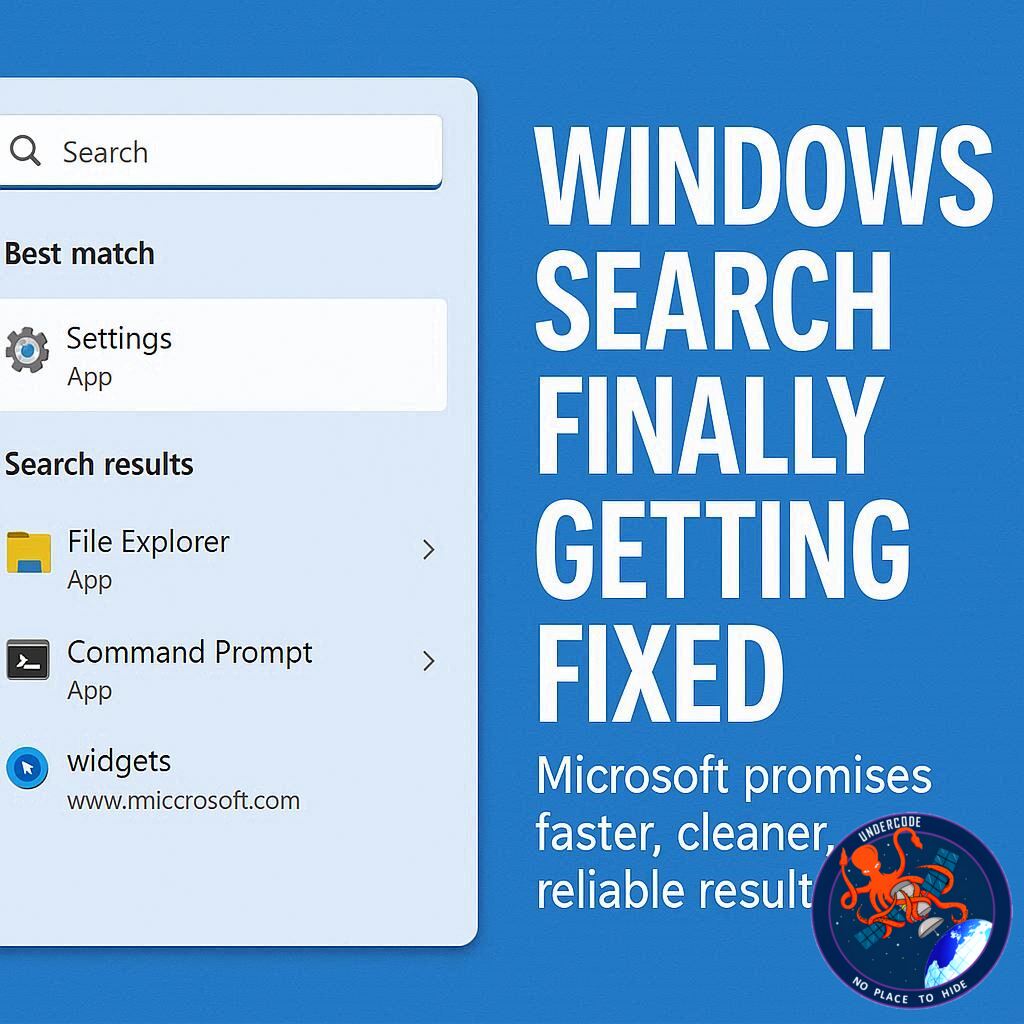 A Long-Overdue Fix for One of Windows’ Most Frustrating Features
After years of frustration, slow results, and confusing search behavior, Microsoft has officially acknowledged what users have been saying all along: Windows Search needs serious improvement. Now, the company is promising meaningful changes that aim to restore speed, accuracy, and simplicity to one of the most essential features of the operating system.
As part of its broader effort to refine Windows 11, Microsoft is working on multiple core areas, including performance, system responsiveness, and user interface consistency. Among those improvements, Windows Search has emerged as a major focus point, signaling a shift toward a more user-first experience after years of criticism.
Summary of the Original
Microsoft Finally Listens to User Complaints
Microsoft has confirmed that significant improvements are coming to Windows Search, a feature that has long been criticized for being slow, cluttered, and unreliable. The announcement came alongside broader promises to improve Windows 11, including enhancements to File Explorer, the taskbar, and overall system performance.
Community Feedback Shapes the Roadmap
Despite the wide-ranging announcement, users quickly pointed out that Windows Search had not been directly addressed. This sparked a wave of feedback on social platform X, where users voiced their frustrations. In response, Tali Roth, head of Windows Shell experiences, confirmed that improvements to Search are actively in development.
A Simpler, Cleaner Search Experience
Roth emphasized that the upcoming changes will make Windows Search “simpler and less distracting.” This suggests a reduction in unnecessary visual clutter, including ads, recommendations, and web-driven content that currently dominates the interface.
Fixing Broken Search Rankings
One of the biggest issues users face is incorrect ranking of results. Even basic system components like the Recycle Bin sometimes fail to appear where expected. Microsoft is now working on adjusting its internal ranking algorithms to ensure that installed apps, system tools, and local files appear prominently and consistently.
Prioritizing Local Content Over Web Results
Windows Search currently blends local indexing with web-based results powered by Bing. Over time, this integration has caused local results to be overshadowed by external suggestions. Microsoft plans to rebalance this system so that local files and apps are prioritized.
Technical Improvements Under the Hood
At its core, Windows Search still relies on the legacy Search Indexer service, which builds a local database of files. However, modern implementations also involve cloud signals, ranking systems, and dynamic UI rendering. Microsoft is now exploring optimizations, including the use of modern frameworks like WinUI 3, to improve responsiveness and reduce latency.
How Search Lost Its Identity
Over time, Windows Search has evolved into a hybrid tool that tries to do too much. Instead of focusing on finding files or launching apps, it now displays trending searches, news, games, and even recipes. This shift has made it feel more like a content hub than a functional utility.
Competing Solutions Already Exist
Ironically, Microsoft already offers better alternatives. Tools like PowerToys Command Palette provide a faster, keyboard-focused search experience that many users prefer. Similarly, Copilot-based search offers a cleaner interface, though it lacks user trust due to its branding and integration approach.
A Chance to Rebuild Trust
Microsoft appears to recognize that Windows Search has drifted too far from its original purpose. With upcoming changes focused on speed, clarity, and predictability, the company hopes to rebuild user trust and deliver a more cohesive experience.
What Undercode Say:
Search Became a Victim of Over-Ambition
Windows Search didn’t fail because of poor engineering. It failed because it tried to evolve into too many things at once. By combining local search, web results, AI suggestions, and content feeds, Microsoft diluted the core purpose of the feature.
The Identity Crisis Is the Real Problem
A search bar should answer one question quickly: “What are you looking for?” Instead, Windows Search started asking its own questions. Are you looking for apps, files, or trending news? This confusion is where the real friction begins.
Bing Integration Went Too Far
The deep integration with Bing created a system where web content often competes with local results. While this might serve Microsoft’s ecosystem goals, it directly conflicts with user expectations. When someone searches locally, they want local results. Anything else feels intrusive.
Performance Issues Are Not Just Technical
Speed problems are not only about indexing or hardware limitations. They stem from layered systems working simultaneously. Local search, cloud processing, ranking algorithms, and UI rendering all introduce delays. Simplifying this pipeline is the real solution.
Users Value Predictability Over Intelligence
Modern software often tries to be “smart,” but users prefer consistency. A predictable search result is more valuable than a clever suggestion that misses the mark. Microsoft’s shift toward predictable ranking is a step in the right direction.
PowerToys Shows the Right Direction
The success of PowerToys Command Palette highlights what users actually want: speed, simplicity, and control. No distractions, no ads, no recommendations. Just results. This should have been the default experience all along.
UI Modernization Can Be a Double-Edged Sword
Adopting frameworks like WinUI 3 can improve performance, but only if used carefully. Over-engineered interfaces often introduce latency. A lightweight, native-first approach will be critical for success.
Copilot Integration Needs Clear Boundaries
AI tools like Copilot can enhance productivity, but they should not interfere with basic functionality. Search should remain a utility, not a promotional surface for AI features.
Microsoft Is Finally Admitting Its Mistake
The most important takeaway is not the technical changes, but the acknowledgment. Microsoft is openly responding to feedback and engaging with users. That alone signals a cultural shift within the Windows team.
2026 Could Be a Turning Point
If Microsoft delivers on its promises, Windows could regain its reputation for reliability and efficiency. But execution will matter more than promises. Users have heard this before.
Fact Checker Results
✅ Microsoft has officially confirmed improvements to Windows Search through public statements by leadership.
✅ Windows Search currently integrates local indexing with Bing-powered web results.
❌ There is no confirmed release date yet for when these improvements will be fully deployed.
Prediction
🔮 Windows Search will likely shift toward a local-first model with optional web integration rather than mandatory blending.
🔮 Microsoft may eventually unify Search and Copilot into a single, smarter but controlled interface.
🔮 Competing tools like PowerToys could influence the final design, pushing Microsoft toward a cleaner, keyboard-driven experience.
🕵️📝✔️Let’s dive deep and fact‑check.
References:
Reported By: www.windowslatest.com
Extra Source Hub (Possible Sources for article):
https://stackoverflow.com
Wikipedia
OpenAi & Undercode AI
Image Source:
Unsplash
Undercode AI DI v2
Bing
🔐JOIN OUR CYBER WORLD [ CVE News • HackMonitor • UndercodeNews ]
📢 Follow UndercodeNews & Stay Tuned:
𝕏 formerly Twitter 🐦 | @ Threads | 🔗 Linkedin | 🦋BlueSky | 🐘Mastodon


