
Listen to this Post
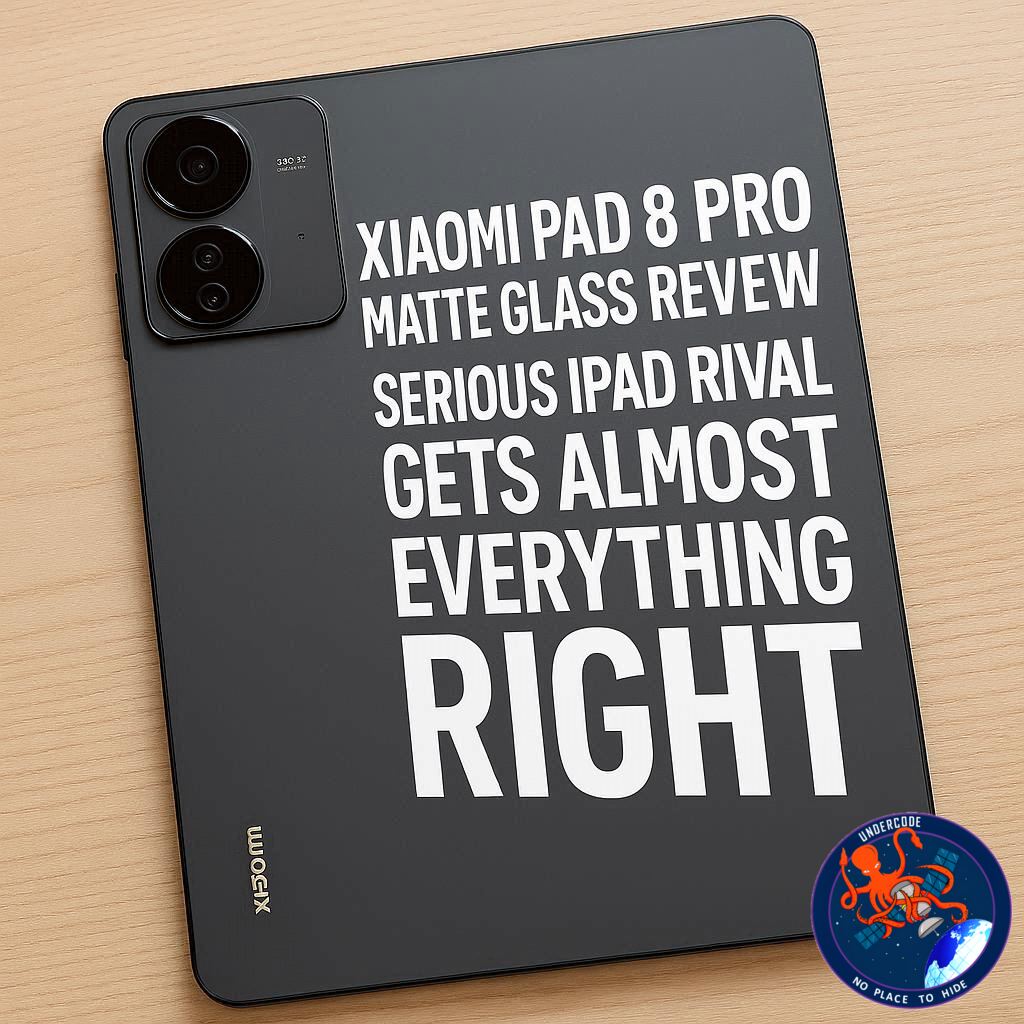
A Fresh Take on Premium Tablets in 2026
At MWC 2026, Xiaomi quietly introduced a device that feels far more ambitious than a routine tablet refresh. The Xiaomi Pad 8 Pro Matte Glass edition isn’t just another Android slate trying to compete with Apple’s dominance, it’s a calculated attempt to solve long-standing tablet frustrations. With a nano-textured display, flagship-level performance, and thoughtful accessories, Xiaomi is pushing the boundaries of what an Android tablet can realistically offer. After a full month of real-world use, the device reveals itself as a compelling alternative to traditional choices like the iPad Air, especially for users who value versatility, portability, and display quality.
Main Summary: A Month with Xiaomi’s Most Refined Tablet Yet
The Xiaomi Pad 8 Pro Matte Glass version delivers a surprisingly complete experience that balances entertainment and productivity in a way few Android tablets have managed before. Built with a sleek unibody metal design, the tablet feels solid and premium in hand, even though it is slightly heavier than comparable devices like the iPad Air. Despite the weight, it remains comfortable for extended use, whether reading, browsing, or working across multiple apps.
The highlight feature is clearly the 11.2-inch display, which uses a nano-texture matte glass designed to reduce reflections significantly. This makes a noticeable difference in real-world scenarios, especially when using the tablet outdoors or in bright environments. Unlike glossy displays that struggle with glare and fingerprints, this screen remains readable and visually consistent. Colors appear vibrant, sharpness is excellent, and customization options allow users to tweak the visual output to their preference.
Battery performance stands out as another major strength. With a 9,200 mAh battery, the tablet easily lasts a full day of mixed usage. Even during demanding situations like long-haul flights with continuous video playback, it maintains impressive endurance, eliminating the common anxiety associated with battery drain. Fast charging at 67W further enhances convenience, allowing users to quickly power up when needed.
Accessories play a key role in elevating the overall experience. The Focus Keyboard transforms the tablet into a productivity tool with tactile keys, backlighting, and a responsive trackpad. While it performs best on a flat surface and can feel slightly top-heavy on a lap, it still offers a typing experience that rivals premium laptop keyboards. The Focus Pen Pro adds another layer of functionality, particularly for creatives and note-takers, with pressure sensitivity, gesture controls, and features like hover preview and brush rotation support.
Performance is driven by a flagship Snapdragon processor paired with generous RAM and storage, ensuring smooth multitasking and responsiveness. The tablet runs Xiaomi’s HyperOS based on Android 16, which introduces improved animations and a more refined multitasking system. Features like split-screen, floating windows, and a desktop-style Workstation Mode allow users to handle tasks efficiently, from writing and research to light photo editing.
However, the software experience isn’t without limitations. While Xiaomi has done an impressive job optimizing the interface, Android itself still struggles with proper scaling in certain apps and websites. Some layouts feel inconsistent, and a fully desktop-like browsing experience remains out of reach. For users heavily dependent on desktop workflows, this becomes a noticeable constraint.
Despite these shortcomings, the tablet excels as a hybrid device for both work and entertainment. It’s powerful enough for productivity tasks, enjoyable for media consumption, and portable enough to carry alongside a laptop. Additional features like intelligent screen locking based on user presence add a layer of convenience that feels genuinely futuristic.
Pricing places the device in a premium category, comparable to entry-level laptops. Yet, within the tablet space, it offers strong value, especially considering its display technology and performance. The only major drawback is availability, as it is not officially sold in the United States, limiting access for a broader audience.
What Undercode Say: The Real Strategy Behind Xiaomi’s Tablet Evolution
Xiaomi isn’t just building a tablet here, it’s testing the limits of what users actually expect from a post-laptop device. The Pad 8 Pro Matte Glass reveals a deeper strategy: instead of chasing Apple feature-for-feature, Xiaomi is focusing on pain points Apple has largely ignored.
The matte display is a perfect example. For years, users have tolerated glossy screens with poor outdoor visibility simply because there was no mainstream alternative. Xiaomi’s decision to invest in nano-texture technology signals a shift toward usability over visual gimmicks. It’s not about making the screen brighter, it’s about making it more practical in real-life environments.
Performance is no longer the battlefield it once was. Most flagship devices are already fast enough, so Xiaomi’s real win lies in optimization. HyperOS, while not perfect, shows a clear attempt to bridge the gap between mobile and desktop experiences. The Workstation Mode is particularly telling, it’s Xiaomi acknowledging that users want flexibility, not just raw power.
But here’s the critical issue: Android itself is still the bottleneck. No matter how advanced the hardware becomes, software inconsistencies continue to limit the full potential of devices like this. App scaling, browser compatibility, and workflow continuity remain unresolved challenges. This isn’t Xiaomi’s failure, it’s a platform-wide limitation.
The accessory ecosystem is another strategic move. By offering a keyboard and stylus that rival Apple’s accessories at a lower cost, Xiaomi is positioning itself as a value-driven premium brand. It’s not trying to be cheaper, it’s trying to be smarter with pricing while delivering comparable functionality.
There’s also a psychological factor at play. Users are increasingly open to replacing laptops with tablets, but only if the experience feels seamless. Xiaomi is inching closer to that reality, even if it hasn’t fully achieved it yet. The fact that this tablet is being carried alongside a laptop rather than replacing it entirely says everything about the current state of the market.
Battery life and charging speed highlight another area where Xiaomi quietly outperforms competitors. While brands like Apple prioritize efficiency, Xiaomi is focusing on convenience. Fast charging changes user behavior, reducing the need to plan around battery limitations.
The biggest missed opportunity is availability. By not launching in key markets like the United States, Xiaomi is limiting its competitive impact. This device could genuinely challenge mainstream options, but only if people can actually buy it.
Ultimately, the Xiaomi Pad 8 Pro Matte Glass is less about immediate domination and more about long-term positioning. It represents a transitional phase in computing, where tablets are evolving into something more capable, but not yet fully independent from traditional laptops.
Fact Checker Results
✅ The device includes a nano-texture matte display designed to reduce reflections significantly.
✅ Battery performance and fast charging are accurately highlighted as key strengths.
❌ The tablet cannot fully replace laptops due to Android software limitations.
Prediction
📊 Tablets like this will continue closing the gap with laptops, but software ecosystems will determine the winner.
📊 Anti-reflective displays will likely become a standard feature in premium devices within the next few years.
📊 Xiaomi’s global expansion strategy will decide whether it becomes a true competitor to Apple in the tablet market.
🕵️📝✔️Let’s dive deep and fact‑check.
References:
Reported By: www.zdnet.com
Extra Source Hub (Possible Sources for article):
https://www.twitter.com
Wikipedia
OpenAi & Undercode AI
Image Source:
Unsplash
Undercode AI DI v2
Bing
🔐JOIN OUR CYBER WORLD [ CVE News • HackMonitor • UndercodeNews ]
📢 Follow UndercodeNews & Stay Tuned:
𝕏 formerly Twitter 🐦 | @ Threads | 🔗 Linkedin | 🦋BlueSky | 🐘Mastodon


