
Listen to this Post
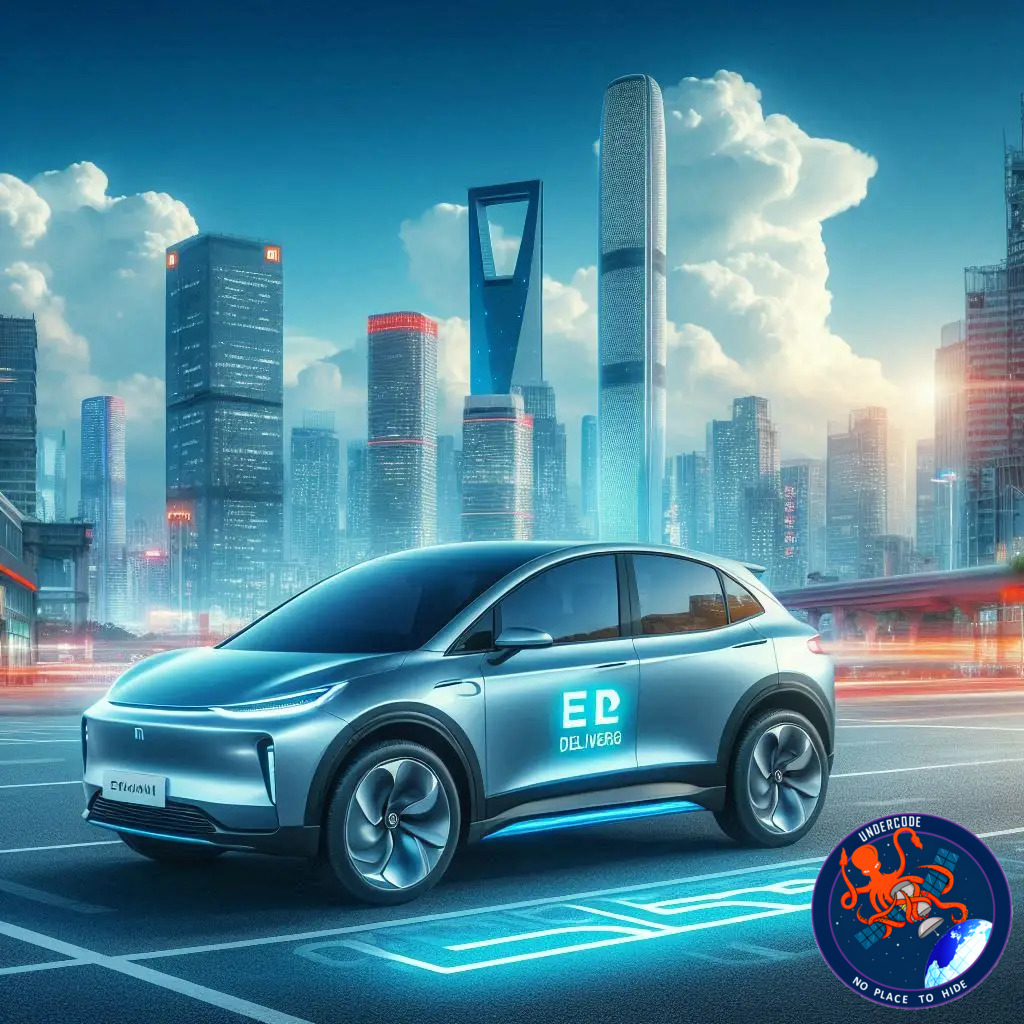
Chinese tech giant Xiaomi is setting its sights high for 2026, aiming to deliver 550,000 electric vehicles (EVs)—a significant increase compared with over 410,000 deliveries in 2025.
CarNewsChina.com
Introduction
Once known mainly as a global smartphone powerhouse, Xiaomi has rapidly transformed into a major contender in the electric vehicle market. Since launching its first EV model in 2024, the company has exceeded expectations, expanded its lineup, and now set a bold delivery target for 2026. Analysts and industry watchers are taking notice, as Xiaomi’s dramatic rise could reshape competitive dynamics among EV manufacturers both in China and internationally.
the Original
Xiaomi announced that for 2026 it aims to deliver 550,000 electric vehicles, representing roughly a 30–34% year‑over‑year increase compared to its 2025 deliveries. Despite joining the EV market late compared with other Chinese brands, the company has enjoyed strong growth thanks to high cost performance that appeals to customers. Its current EV roster includes the SU7 sedan and the YU7 SUV, both selling well in China. The SU7 offers up to 700 kilometers of range and stylish design, while the YU7 has rapidly gained popularity in the domestic market. As Xiaomi pushes further into EVs, it continues to build capacity, expand its product lineup, and position itself for even greater market influence.
CnEVPost
What Undercode Say:
A Strategic Surge in EV Expansion
Xiaomi’s EV journey illustrates a textbook example of disruptive expansion. Traditionally a smartphone and consumer electronics brand, Xiaomi proved it could leverage its global brand recognition, supply chain capabilities, and software ecosystem to enter the electric vehicle sector with remarkable speed. Instead of following a slow, iterative buildup, the company hit the ground running with competitive pricing and a strong value proposition that undercut many established players.
electrive.com
The recent announcement of a 550,000 delivery target for 2026 shows Xiaomi is no longer content with niche status. The company’s rapid scale‑up—from delivering around 140,000 units in its first year to over 410,000 in its second—sets a precedent in EV history. Notably, if Xiaomi achieves this new goal, it could become one of the fastest automakers ever to exceed one million cumulative deliveries in the industry.
CarNewsChina.com
Moreover, Xiaomi’s growth is not just in volume but product diversification. Following the success of the SU7 sedan, the YU7 SUV has proven especially popular, outpacing other models and expanding the brand’s market appeal. Xiaomi’s decision to further expand its lineup—including refreshed SU7 versions and larger SUVs—suggests calculated progression rather than blind market chasing.
Gizmochina
However, there are signs of strategic caution. Xiaomi’s CEO Lei Jun has characteristically labeled the 550,000 target as neither “too high nor too low,” signaling a recognition of manufacturing constraints, market saturation, and intensifying competition. This pragmatic stance could help Xiaomi sustain growth while avoiding overextension that has derailed other EV startups.
Yicai Global
Competitive Dynamics and Market Position
Xiaomi’s rise also reflects broader trends in the EV sector. Chinese manufacturers have increasingly dominated global EV growth, challenging traditional incumbents and new entrants alike. Xiaomi’s competitive pricing and technology integration—especially its software and connectivity—give it an edge in markets where brand loyalty to tech ecosystems matters. If the company successfully expands beyond China into markets such as Europe by 2027, its impact could intensify, forcing rivals to recalibrate pricing and feature strategies.
TechNews 科技新報
One potential challenge lies in profitability. While deliveries are impressive, scaling efficiently and turning robust profits in EV manufacturing remains difficult industry‑wide. Xiaomi will need to maintain cost discipline and continue vertical integration—particularly in batteries and core EV hardware—to protect margins in the long term.
Fact Checker Results
• Xiaomi aims for 550,000 EV deliveries in 2026, a roughly 34% increase over 2025.
EV.com
• Xiaomi delivered over 410,000 EVs in 2025, exceeding its original targets.
CarNewsChina.com
• The company’s key models include the SU7 sedan and YU7 SUV, both strong sellers in China.
Gizmochina
Prediction
Looking ahead, if Xiaomi continues on its current trajectory—leveraging brand strength, competitive pricing, and an expanding EV lineup—it could surpass the 550,000 target and approach or exceed 600,000 deliveries in 2026. Success in overseas markets, especially Europe, could accelerate global recognition and further disrupt established players. However, Xiaomi’s long‑term success will hinge on its ability to improve profitability, manage production bottlenecks, and innovate in EV software and battery technology over the next several years.
▶️ Related Video (82% Match):
🕵️📝✔️Let’s dive deep and fact‑check.
References:
Reported By: xtechnikkeicom_b8702a6b9dcbda7b20abf1aa
Extra Source Hub (Possible Sources for article):
https://www.facebook.com
Wikipedia
OpenAi & Undercode AI
Image Source:
Unsplash
Undercode AI DI v2
Bing
🔐JOIN OUR CYBER WORLD [ CVE News • HackMonitor • UndercodeNews ]
📢 Follow UndercodeNews & Stay Tuned:
𝕏 formerly Twitter 🐦 | @ Threads | 🔗 Linkedin | 🦋BlueSky | 🐘Mastodon


