
Listen to this Post
Introduction
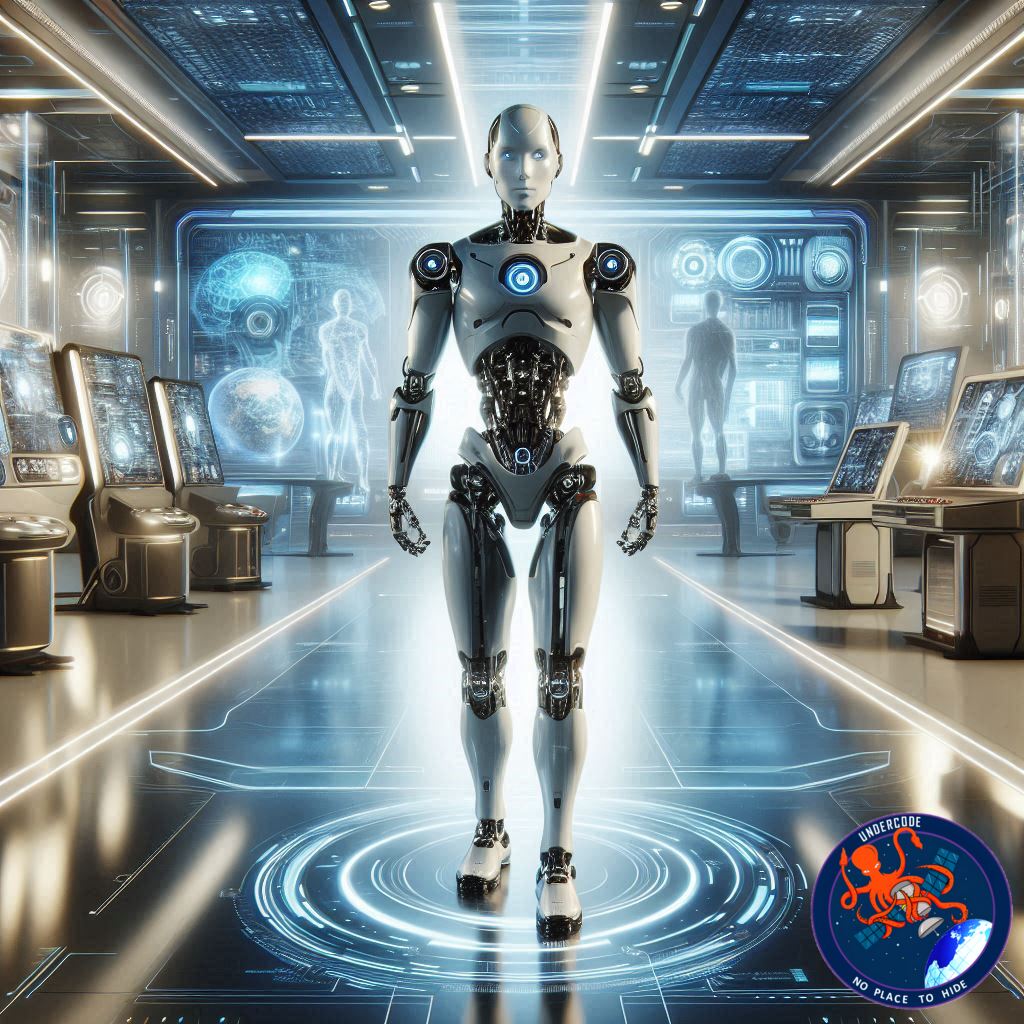
A quiet revolution is accelerating inside the global robotics arena, and it is unfolding faster than anyone expected. China’s Xpeng, best known for its electric vehicles, has stepped onto an entirely different battlefield. The company is not just building machines that walk. It is shaping a future where humanoid robots are expected to act, look, and even feel like people. Its latest creation, Iron, is positioned as a direct counter to Tesla’s ambitious Optimus project, and the differences between the two may determine who wins the next decade of robotics dominance.
the Original
A New Rivalry in Humanoid Robotics
Xpeng has introduced its humanoid robot, Iron, with the explicit intention of challenging Tesla’s Optimus. The company’s CEO, He Xiaopeng, highlighted that Iron’s design prioritises physical and emotional comfort, a direction aimed at encouraging humans to interact naturally with the machine. By adding artificial muscles and a flexible “bionic skin,” Xpeng believes users will be more willing to touch, approach, and even hug the robot.
Human-like Appeal as Strategic Advantage
This focus on tactile acceptance is not cosmetic. According to Xiaopeng, traditional robots often looked too mechanical and uninviting, limiting human adoption. Xpeng wants Iron to behave with human-like warmth, setting it apart from Tesla’s Optimus, which is still perceived as more industrial than relational.
A Showcase Designed for Trust
During Iron’s unveiling, Xpeng demonstrated both male and female models, even allowing employees to cut into the robot’s flexible outer layer to prove there was no human inside. This approach contrasts sharply with Tesla’s earlier demonstrations, where the first appearance of Optimus in 2021 involved a person in a robot costume, and even in 2024, real units were still remotely operated. These moments have raised questions about the real maturity of Tesla’s robotic technology.
Scaling Ambition and Market Vision
Xpeng has declared aggressive production targets. Mass manufacturing of Iron is expected to begin at the end of 2026, and the company aims to sell one million units per year by 2030. Xiaopeng predicts the humanoid robot sector could eventually surpass the scale of the automotive market, with early use cases likely in retail and tourism. Xpeng also intends to deploy Iron in its physical stores as early as next year.
Tesla’s Parallel Push
Tesla, meanwhile, plans its own mass production for Optimus by late 2026. Elon Musk has referred to Optimus as potentially the company’s most important product. Tesla engineers have internally described 2026 as their “hardest year,” reflecting the immense pressure tied to the program.
Xpeng’s Broader Momentum
Founded in 2014, Xpeng has grown rapidly in China’s EV market and is coming close to profitability. The company expects to launch seven new vehicles next year, including three robotaxi models, while also preparing to mass-produce its $280,000 flying car by 2026. Its simultaneous expansion across cars, robotics, autonomous transportation, and aerial mobility signals a strategy far more ambitious than that of a traditional EV brand.
What Undercode Say:
The Strategic Shift from Cars to Companions
Something fundamental is happening in the robotics ecosystem. Companies once defined by their vehicles are turning toward humanoid machines, not merely as assistants but as social devices. Xpeng’s Iron represents more than a technological experiment. It is a psychological one. By building a robot designed to feel touchable, the company is attacking a barrier that has plagued robotics for decades: human hesitation.
Emotional Design as a Market Differentiator
Xpeng understands that the first generation of household or service robots must win trust before they win function. Its emphasis on bionic skin and artificial muscles signals a deeper philosophy that robots must be emotionally legible, not just technically competent. If Iron succeeds in appearing less alien, it could accelerate mainstream adoption in ways Optimus might struggle to match.
Tesla’s Approach Shows a Different Priority
Tesla, by contrast, seems focused on automation scale and labor replacement. Optimus is envisioned as a workforce multiplier, not necessarily a companion. Its demonstrations, including reliance on remote operation, suggest a product still evolving toward autonomy. Tesla’s brand power and AI leadership give it enormous influence, but its robotic identity feels more industrial than intimate.
China’s Play for Global Robotics Leadership
Xpeng’s aggressive timeline—mass production in 2026 and one million units per year by 2030—reflects China’s ambition to dominate the next generation of robotics. The company is building its future on three pillars: EV autonomy, humanoid mobility, and aerial vehicles. This multi-sector integration creates a broader ecosystem advantage. It positions Xpeng as a platform company, not just a manufacturer.
The Consumer Robotics Frontier
If Iron truly enters retail and tour-guide roles, it will become one of the earliest humanoid robots visible to the public. This matters. The first robot people encounter often shapes their perception of the entire industry. Xpeng is betting on friendliness. Tesla is betting on functionality. Both strategies are powerful, but they will attract different markets.
A Larger Battle Over the Definition of “Human-Like”
The real competition is philosophical. Should humanoid robots resemble humans physically, or should they prioritize efficiency and safety over realism? Xpeng’s dual-gender models and customizable body types show it believes the future is anthropomorphic. Tesla’s designs lean toward simplicity and industrial efficiency. The market will decide which vision feels more natural.
Early Deployment Will Create Winners
Xpeng deploying Iron in its stores next year could give the company years of real-world interaction data before Optimus reaches large production. That feedback loop might shape user behavior models, refine motion, and improve emotional engagement long before Tesla scales its units.
The Race That Redefines the Machine
Iron versus Optimus is not just another tech rivalry. It is a debate over the soul of robotics. Should machines enter human spaces as workers, or as companions? Should they mimic us, or merely help us? Xpeng’s answer is clear. Tesla’s answer is different. The next decade will reveal which philosophy resonates with the world.
Fact Checker Results
Xpeng confirmed its goal to mass-produce Iron by late 2026, and aims for one million annual sales by 2030. ✅
Tesla’s initial Optimus reveal in 2021 involved a human wearing a robot suit, as widely reported. ✅
Xpeng demonstrated cutting into Iron’s flexible exterior to show authenticity; this was part of its official unveiling. ✅
Prediction
Xpeng’s early public deployment of Iron will accelerate consumer acceptance and may force Tesla to speed up Optimus development. 🤖
By 2030, humanoid robots could become a mainstream retail presence, with China leading early adoption. 📈
The philosophical divide between emotional design and industrial utility will define the next era of humanoid robotics competition. 🔮
🕵️📝✔️Let’s dive deep and fact‑check.
References:
Reported By: timesofindia.indiatimes.com
Extra Source Hub (Possible Sources for article):
https://www.quora.com
Wikipedia
OpenAi & Undercode AI
Image Source:
Unsplash
Undercode AI DI v2
Bing
🔐JOIN OUR CYBER WORLD [ CVE News • HackMonitor • UndercodeNews ]
📢 Follow UndercodeNews & Stay Tuned:
𝕏 formerly Twitter 🐦 | @ Threads | 🔗 Linkedin | 🦋BlueSky | 🐘Mastodon


